
Houseplants for Renters: No Damage, Easy to Move, Landlord Friendly
By Ellen Hermance · PlantCareAI Editorial
Renting a home comes with specific plant constraints: no wall anchors for hanging shelves, limited control over heating and cooling, uncertain light quality, and the likelihood of moving again within a year or two. The right plants for renters are portable, grow in standard pots without mounting hardware, and tolerate the slightly unpredictable conditions of rental apartments.
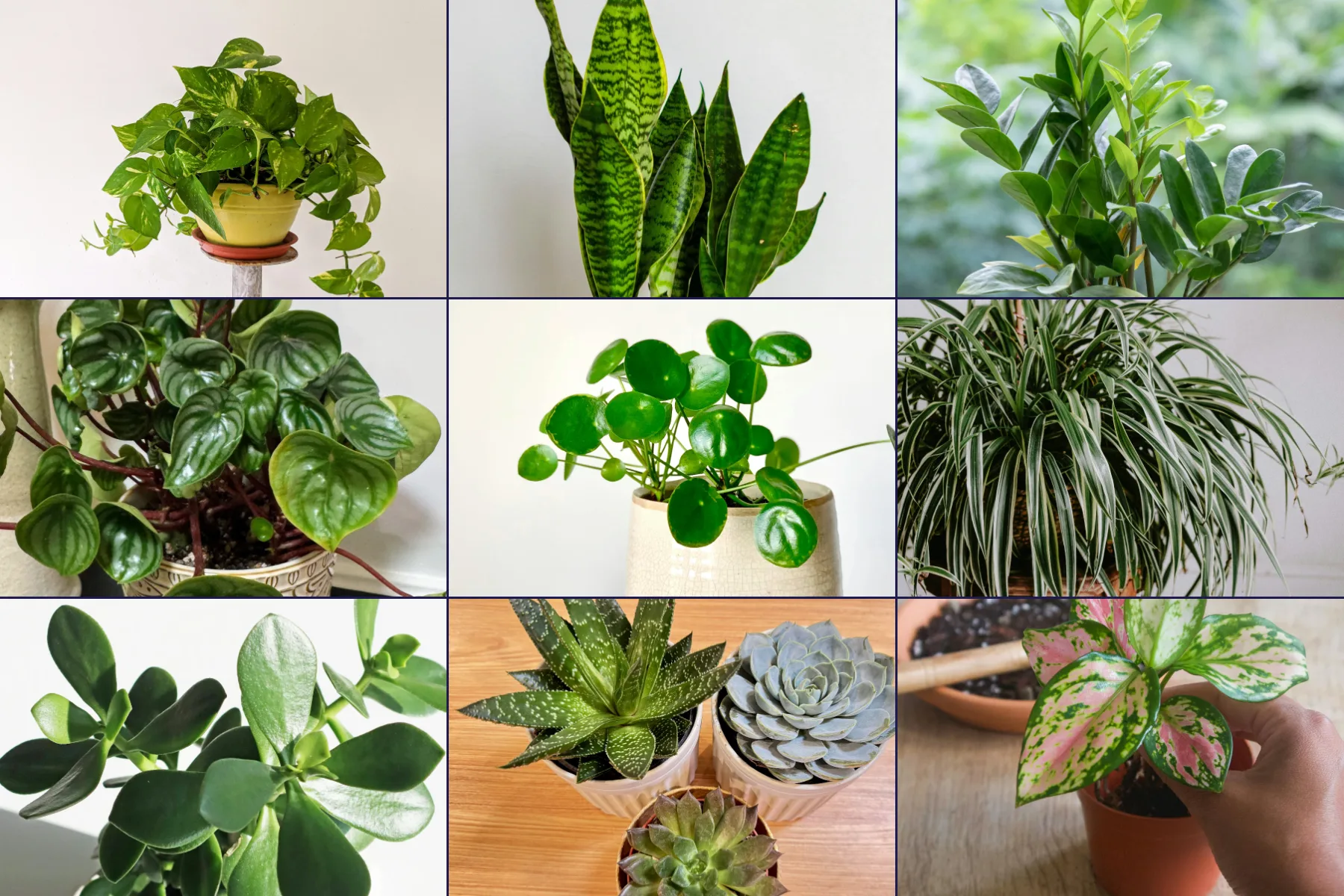
Quick Answer: For plants in a rental the rule is do not drill and do not stain: freestanding shelves and plant stands rather than wall hooks, plastic pots inside decorative cache pots so nothing is heavy on moving day, and a saucer under every pot so nothing drips onto the floor. Stick to species that handle unpredictable climate control, which means pothos, snake plant, ZZ plant, spider plant, and cast iron plant, and leave calathea and fiddle-leaf fig until you know how the place behaves in winter.
Houseplant Tips for Renters
-
Choose Free-Standing Plants, Not Wall-Mounted
Wall-mounted shelves, ceiling hooks, and plant hangers that require drilling are a deposit risk. Free-standing plant stands, tension rod plant shelves that fit inside windows, and tabletop plants solve this cleanly. A collection built around free-standing options is fully portable when you move.
What to do: Invest in a few good plant stands, either floor-standing metal ones or tiered plant shelves. Command hooks rated for plant weight (4-6 lbs) are a useful alternative for very lightweight air plants or small macrame hangers. Always read the weight rating.
-
Lightweight Pots for Easy Moving
Ceramic and terracotta pots look beautiful but become very heavy once filled with soil, especially in larger sizes. Plastic or fiberglass pots weigh a fraction of ceramic equivalents and are far easier to transport when the lease ends.
What to do: Use lightweight plastic nursery pots inside decorative cache pots. When it is time to move, you can easily re-pot or simply carry lighter containers. Cache pots also catch drainage water, protecting rental floors.
-
Tolerant Species for Variable Conditions
Rental apartments often have less predictable climate control: older HVAC systems, drafty windows, or landlords who set the thermostat remotely. Choose plants that tolerate a wide temperature range and are not sensitive to occasional dryness or cold drafts.
What to do: Pothos, snake plants, ZZ plants, spider plants, and cast iron plants tolerate the widest range of conditions. Avoid highly sensitive tropical plants like calatheas, fittonia, and fiddle-leaf figs until you know your apartment's micro-climate well.
-
Plants That Thrive in Indirect or Lower Light
Many rental apartments, especially in urban buildings, have limited natural light due to neighboring buildings, north-facing windows, or small window sizes. Choose plants rated for medium to low light rather than forcing high-light species to survive in dim conditions.
What to do: Snake plants, pothos, ZZ plants, peace lilies, and cast iron plants are among the best choices for lower light. If your apartment has genuinely good window light (south or west-facing, unobstructed), the range opens up considerably.
-
Protect Floors and Surfaces
Water damage to floors and windowsills is a common deposit deduction. All pots need saucers or cache pots to catch drainage water. Check saucers after watering and empty excess water within 30 minutes to prevent mold and surface staining.
What to do: Use plastic saucers under all pots. For heavy pots on wood floors, use plant coasters with wheels. On windowsills, place a layer of plastic sheeting or a waterproof plant mat under saucers to protect painted surfaces.
-
Plan for Your Next Move
If your lease is 12 months or less, avoid large, slow-growing plants in heavy containers. Choose species that can be easily divided, propagated, or left behind as gifts. Fast-growing, easily propagated plants like pothos, tradescantia, and spider plants give you something to take even if you have to leave the original plants.
What to do: Take stem cuttings or divide your plants in the last month before a move. Propagated cuttings travel easily and can start fresh in your new place. Consider giving large plants to friends rather than attempting to transport them.
What to use instead of what you cannot install
Everything in the first column leaves a hole or a mark. Everything in the second does the same job without risking the deposit, and it moves with you.
| Instead of this | Use this | Why |
|---|---|---|
| A shelf anchored to the wall | A freestanding or ladder shelf | Nothing is drilled, and it comes to the next place |
| A ceiling hook for hanging pots | A floor stand with an arm, or a tension rod | The ceiling is the most expensive thing to repair |
| A large ceramic pot | A plastic pot inside a cache pot | It weighs a fraction of it when you have to carry it |
| A pot with no saucer | A saucer, or a cache pot with a sealed base | Water on the floor is the most common deduction |
| A hard-wired grow light | A clip-on lamp with a grow bulb | It plugs in, unclips, and leaves no mark |
Frequently Asked Questions
- Can I hang plants without making holes?
- Yes, but check the weight first. A watered 8-inch hanging pot weighs 8 to 11 pounds, and most removable adhesive hooks are rated for 4 to 6. The options that genuinely hold are a tension rod inside the window frame, a floor stand with a curved arm, or a tall shelf beside the window. An adhesive hook that lets go takes the paint with it, which is the thing you were trying to avoid.
- Which houseplants are best for a rental apartment?
- Pothos, snake plant, ZZ plant, spider plant, and cast iron plant. All five tolerate temperature swings, weeks without water, and the irregular light of an apartment building, and all five propagate easily, so you can take cuttings if you move in a hurry. Leave calathea, fittonia, and fiddle-leaf fig until you know how the place behaves in winter.
- How do I avoid losing my deposit over plants?
- Three things cover almost all of it: a saucer under every pot without exception, no pot pushed flat against a wall (leave two inches so air moves and mold does not start), and photographs of the floor, windowsill, and walls the day you move in. The deductions that actually show up in this category are water rings on wood and staining on the sill, not broken plants.
- What do I do with my plants when the lease ends?
- Start a month out. Take cuttings of anything that propagates easily and root them in water, divide the large clumps, and give away heavy pots that are not worth carrying. You arrive at the new place with the same collection in one box of cuttings instead of twenty pots, and plants travel better that way than whole.
- Do houseplants damage floors or walls?
- Only if they sit in one spot unprotected for a long time. On wood, a pot that seeps leaves a dark ring that does not come out; on carpet, spilled soil stains. Against a wall, a large pot holding moisture can leave mold behind it. A saucer, a couple of inches of clearance, and moving the pot occasionally handle all three.
- What if my lease mentions plants?
- Worth reading before you build the collection. The clauses that turn up are usually about balconies and window boxes, meaning weight and water dripping onto the neighbor below, and about liability for water damage, rather than about keeping plants indoors at all. If something is ambiguous, asking in writing beforehand creates a record and costs less than arguing about it at the end.
The Bottom Line for Renters
Renting does not have to limit your plant collection. Free-standing shelves, tension rods, and clip-on grow lights let you create a thriving indoor garden without a single wall anchor. Stick to self-contained, non-staining plants, keep saucers under every pot, and document your space before and after. Your landlord will never notice.
Get Personalized Plant Care Advice
PlantCareAI uses your location and local weather to give you advice tailored to your exact situation. No signup required to try.
Try the AI Plant Doctor