
Beginner's Complete Guide to Houseplants
By Ellen Hermance · PlantCareAI Editorial
Starting your houseplant journey doesn't require a green thumb, expensive equipment, or years of experience. It just takes a few fundamentals done right. This guide brings together everything a beginner needs, from picking the right first plant to keeping it alive and thriving, all in one place.
Quick Answer: Start with forgiving plants like pothos, snake plants, or ZZ plants. Use pots with drainage holes and standard potting mix with added perlite. Check soil before watering; if the top 1-2 inches are dry, water thoroughly. Place near a bright window but out of direct sun. That's 90% of what you need to succeed.
Choose Forgiving First Plants
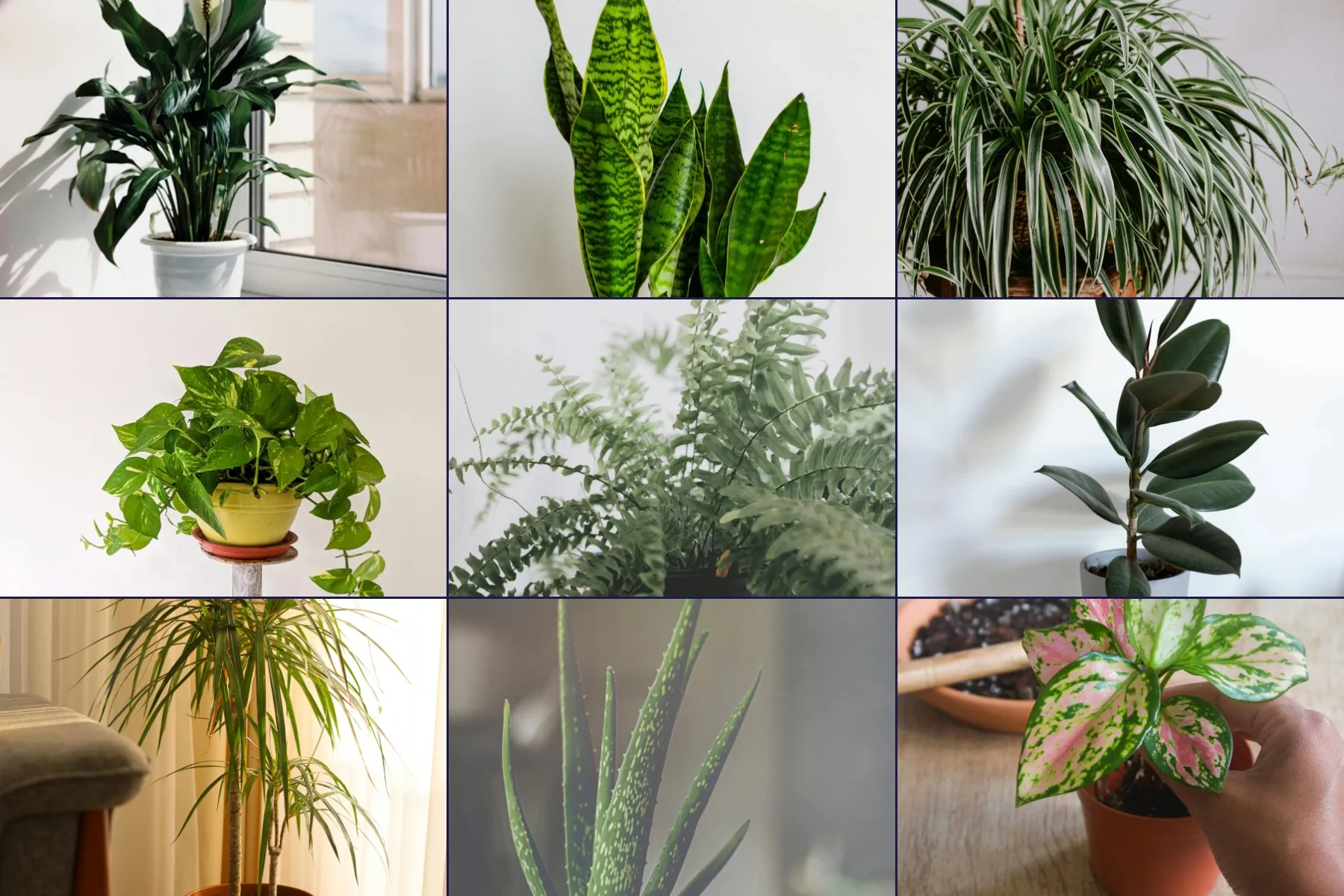
Your first plants should tolerate the mistakes you'll inevitably make. Pothos, snake plants, ZZ plants, and spider plants handle irregular watering, imperfect light, and general neglect. Start with 2-3 easy species and build confidence before adding demanding plants like fiddle leaf figs or calatheas. A thriving easy plant teaches you more than a dying hard one.
Understand Light Basics
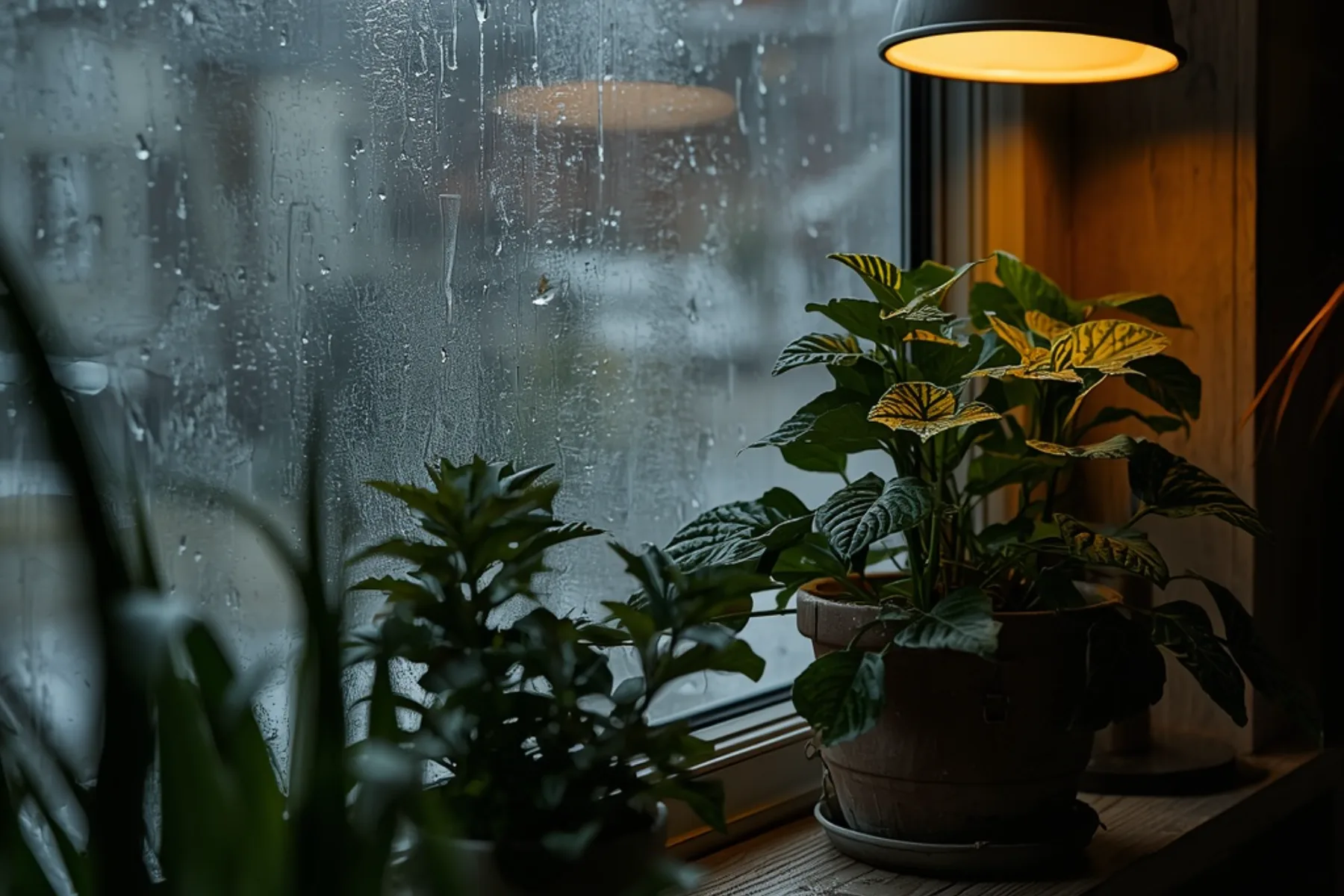
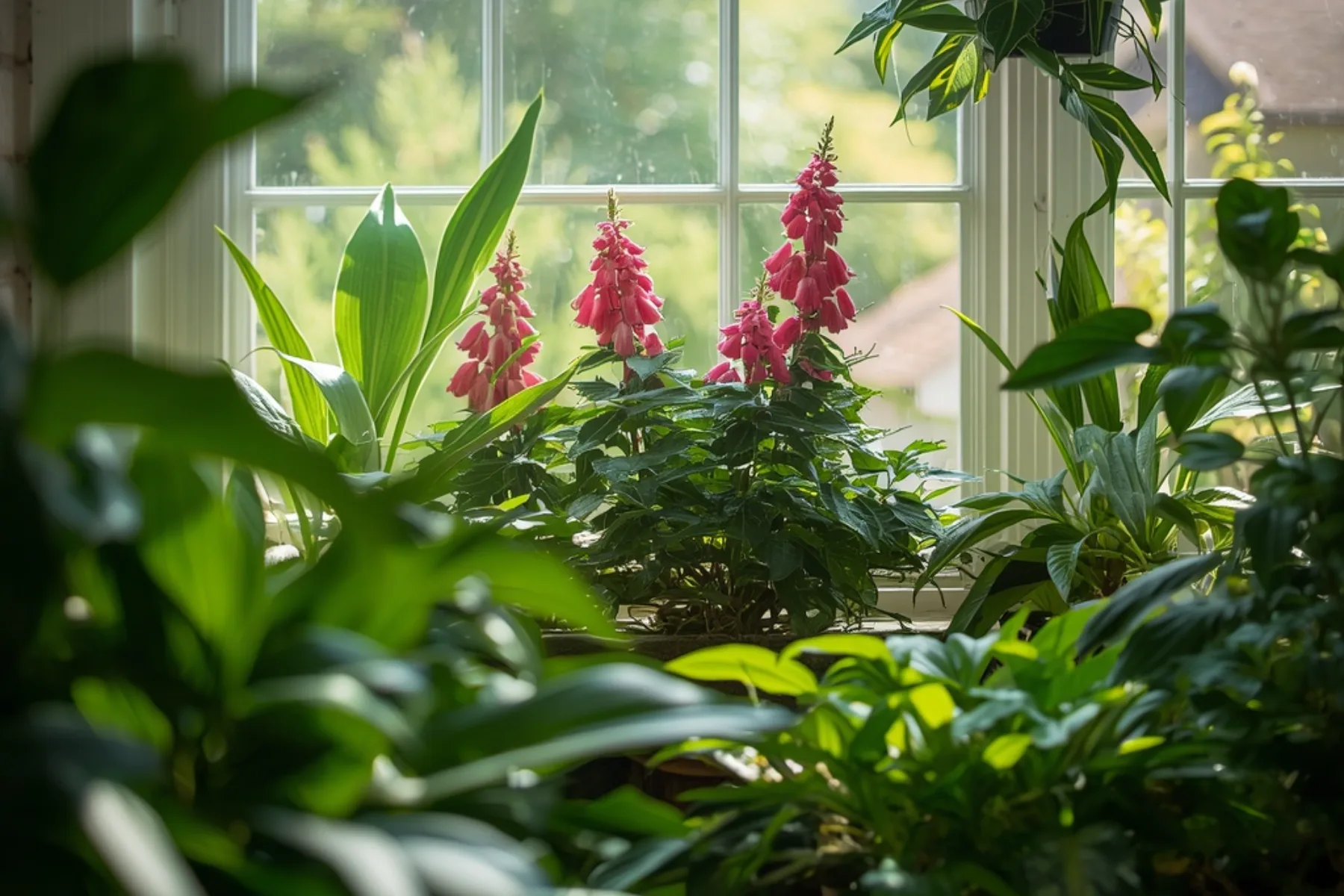
Light is the single most important factor for plant health; more than watering, soil, or fertilizer. South-facing windows give the most light, north-facing the least. 'Bright indirect light' means near a window but not in the direct sun beam. Most popular houseplants are tropical understory species that want bright indirect light. When in doubt, more light (not direct) is usually better.
Master Watering (the #1 Skill)
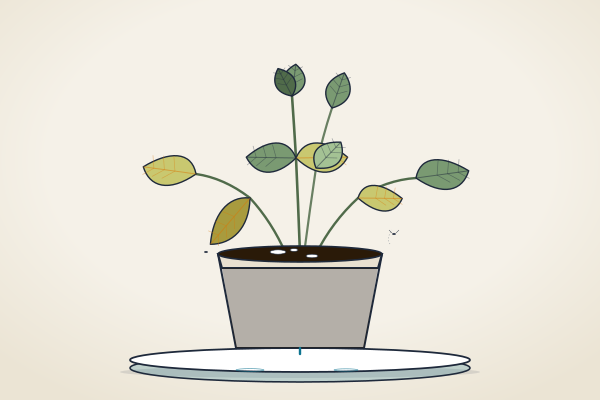
Overwatering kills more houseplants than anything else. Forget schedules; instead, check the soil with your finger before every watering. If the top 1-2 inches are dry, water thoroughly until it drains from the bottom. If still moist, wait. This simple habit prevents 80% of common plant problems. Every plant has a different rhythm, and that rhythm changes with the seasons.
Get the Right Soil & Pots
Standard potting mix works for most houseplants, but adding 20-30% perlite improves drainage dramatically. Always use pots with drainage holes; decorative pots without holes are the #2 cause of plant death after overwatering. If you love a pot with no holes, use it as a cachepot (decorative outer pot) with a plain nursery pot inside.
Humidity & Temperature
Most houseplants are tropical and prefer 50-60% humidity, but many (pothos, snake plants, ZZ plants) adapt to normal home humidity of 30-40%. If you notice brown leaf tips on calatheas or ferns, low humidity is likely the cause. Grouping plants together, using pebble trays, or running a humidifier helps. Keep plants away from heating vents and cold drafts.
Feeding Your Plants
Plants need nutrients to grow, but less is more, especially for beginners. Feed with a balanced liquid fertilizer (like 10-10-10) at half the recommended strength during the growing season (spring through early fall). Stop fertilizing in winter when growth slows. Over-fertilizing burns roots and causes salt buildup; it's worse than not feeding at all.
Common Beginner Mistakes
Overwatering is #1. Other frequent mistakes: not enough light (far from windows), repotting too often or into too-large pots, over-fertilizing, ignoring pests until they spread, and panicking over normal leaf drop. One yellowing lower leaf isn't a crisis; multiple yellowing leaves across the plant is. Learn to observe and respond rather than preemptively fussing.
When to Repot
Repot only when necessary: when roots circle the pot or grow out of drainage holes, when water runs straight through without being absorbed, or when the plant is visibly top-heavy. Spring is the best time. Move up only one pot size (1-2 inches wider). Repotting into too-large a pot leads to waterlogged soil and root rot because the excess soil holds moisture the roots can't use.
Deep Dive Articles
Explore these detailed guides for specific topics covered in this guide:
Get Personalized Plant Care Advice
PlantCareAI uses your location and local weather to give you advice tailored to your exact situation. No signup required to try.
Get personalized beginner plant advice →