
Spring Plant Care: How to Help Your Houseplants Thrive After Winter
By Ellen Hermance · PlantCareAI Editorial
Spring is your houseplants' favorite time of year, and yours, if you're a plant parent. After months of dormancy, longer days and warmer temperatures trigger a surge of new growth. It's also your window to do the big maintenance tasks that would stress plants during winter: repotting, pruning, propagating, and resuming fertilizer. Think of spring as your plants' annual checkup and tune-up rolled into one. The decisions you make in March through May set up the entire growing season. Here's everything you need to do to help your plants transition from surviving winter to actively thriving. (If you're in the southern hemisphere, these tips apply to your September–November period instead.)
Quick Answer: In spring, resume fertilizing at half strength, increase watering as growth picks up, repot root-bound plants, and prune leggy winter growth. Inspect all plants for overwintering pests, clean dusty leaves, and acclimate gradually to brighter light. Spring is also the best time to propagate cuttings and divide overgrown plants.
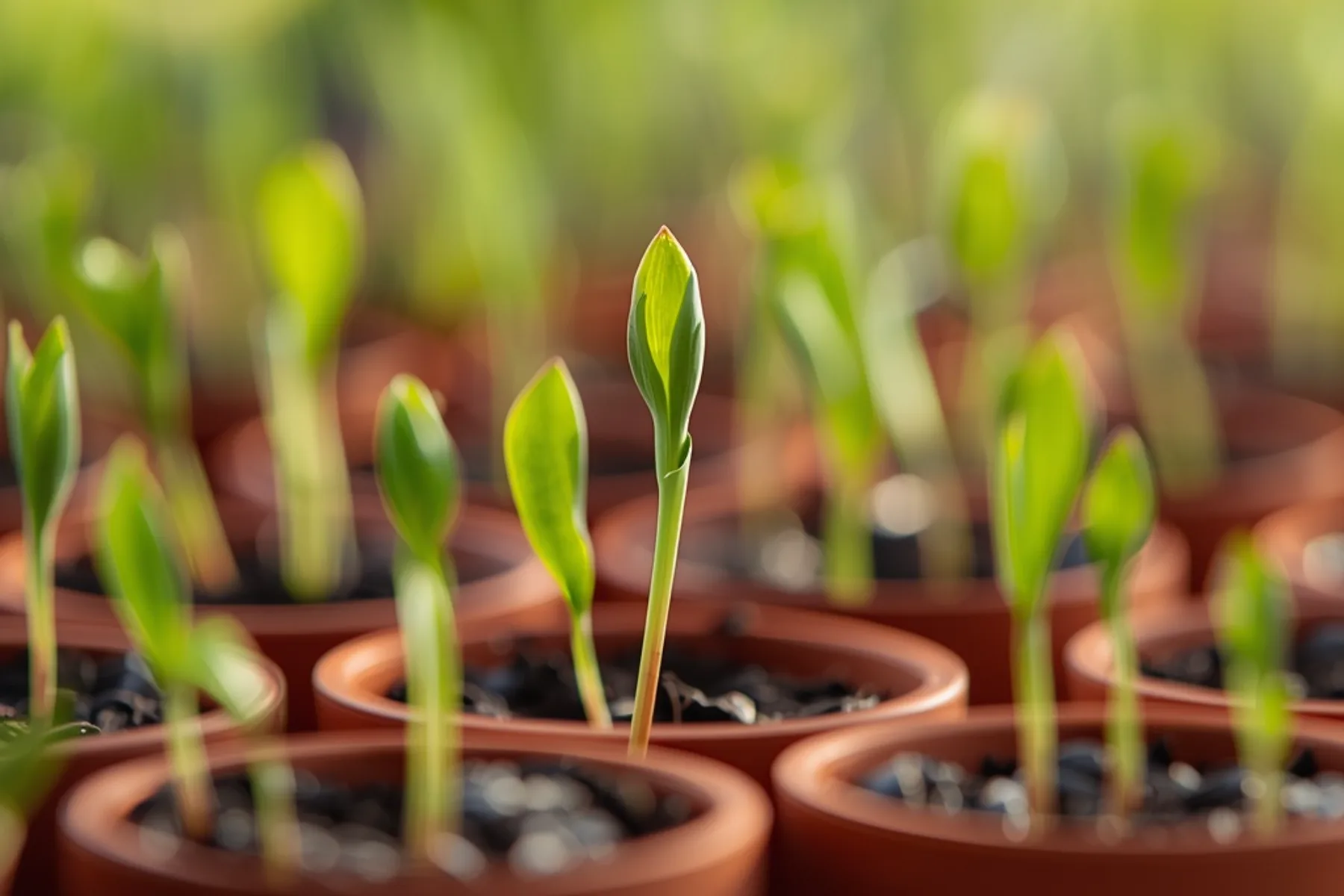
Spring Plant Care Essentials
-
Resume fertilizing gradually
After months without food, your plants are ready for nutrients, but don't go full strength immediately. Root systems that have been dormant need time to ramp up nutrient absorption. Hitting them with concentrated fertilizer right away can overwhelm roots and cause fertilizer burn, showing up as brown leaf tips or edges. The growing season is long; there's no rush to front-load nutrients. Starting slowly lets the plant's metabolism catch up with the increased light and warmth.
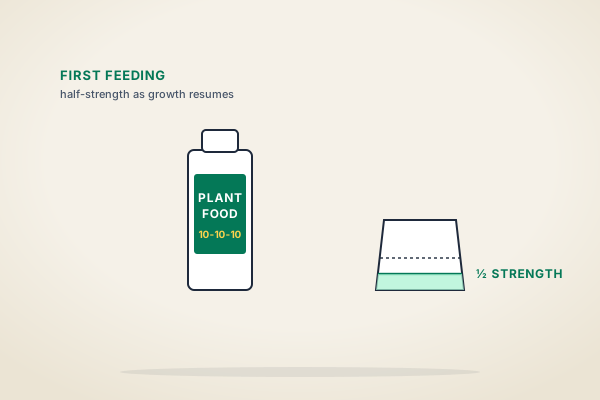
Start at half strength; dormant roots need time to ramp up nutrient absorption. How to fix it: Begin with half-strength liquid fertilizer in early spring when you notice the first new growth. After 2–3 applications spaced 2–4 weeks apart, move to full strength. For slow-release granules, use half the recommended amount for the first application. Before that first feeding, flush the soil with plain water to rinse out any mineral salts that accumulated over winter.
-
Increase watering as growth resumes
New leaves and stems need water to develop. As daylight hours increase, photosynthesis ramps up and plants transpire more moisture through their leaves. You'll notice soil drying out faster than it did in January. If you were watering every two weeks in winter, you may need to shift to every week or even more often by late spring. Underwatering during active growth can stunt new leaves, cause them to emerge smaller than normal, or trigger leaf drop as the plant sacrifices older leaves to support new growth.
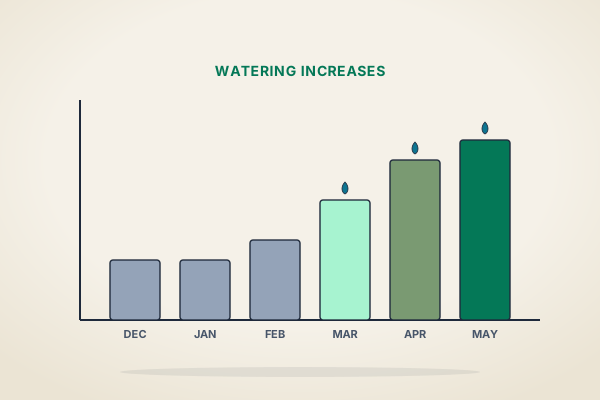
Check soil more often; spring growth means faster drying. How to fix it: Continue checking soil moisture with the finger test; the principle doesn't change, just the frequency. As the plant pushes new growth, you'll naturally need to water more often. Pay attention to rapid-growers like pothos, monstera, and philodendrons; they'll need more water sooner than slow-growers like snake plants or ZZ plants. If leaves on new growth are smaller than expected, the plant likely needs more water.
-
Repot root-bound plants
Early to mid spring is the ideal repotting window. Roots are about to enter their most active growth phase, so they'll colonize new soil quickly and recover from any disturbance. Signs a plant needs repotting: roots circling the bottom of the pot, roots growing out of drainage holes, water running straight through without soaking in, the plant becoming unstable or top-heavy, or the soil drying out within 1–2 days of watering. Most plants benefit from fresh soil every 1–2 years even if they don't need a bigger pot.
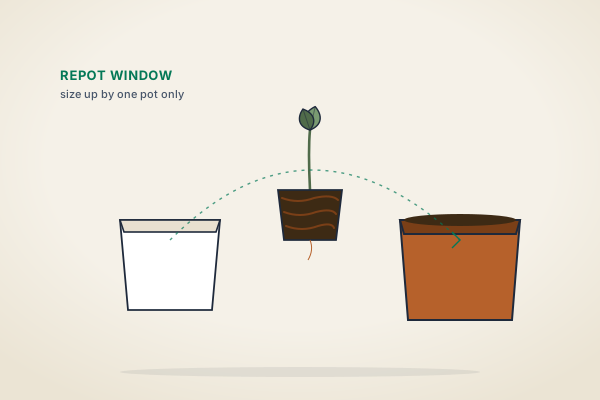
Spring is the best repotting window; roots will recover and colonize new soil quickly. How to fix it: Choose a pot 1–2 inches wider in diameter than the current one; going too big leaves excess wet soil around roots, which can cause rot. Use fresh, well-draining potting mix appropriate for the plant type (add extra perlite for aroids, use cactus mix for succulents). Gently loosen circling roots before placing in the new pot. Water thoroughly after repotting, then wait a week before fertilizing to let roots settle.
-
Prune leggy winter growth
Many plants develop long, sparse stems during winter as they stretch toward limited light. This leggy growth looks sparse because the internodes (spaces between leaves) are elongated. While the plant was conserving energy, it couldn't produce the dense, compact growth you see in summer. Spring pruning redirects energy from these weak stems into producing bushier, healthier new growth from dormant nodes lower on the plant.
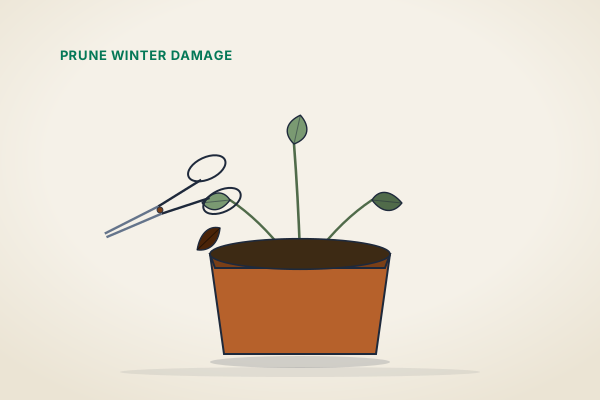
Cut just above a node; most plants branch at the cut point, creating a fuller shape. How to fix it: Use clean, sharp scissors or pruning shears to cut back leggy stems to just above a node (the bump where a leaf grows or grew). Most plants will branch at the cut point, creating a fuller shape. Don't remove more than one-third of the plant at once. Save healthy cuttings for propagation; spring pruning trimmings root easily because the plant is in active growth mode.
-
Acclimate plants to brighter light gradually
After months of dim winter light, suddenly placing a plant in bright direct sun can cause sunburn; yes, even if that same spot was fine last summer. The plant's leaves have adapted to low-light conditions over winter by producing less protective pigment and thinner cell walls. A sudden jump in light intensity can bleach or scorch leaves, creating pale or brown patches that don't recover. This is the same reason people can get sunburned in early spring.
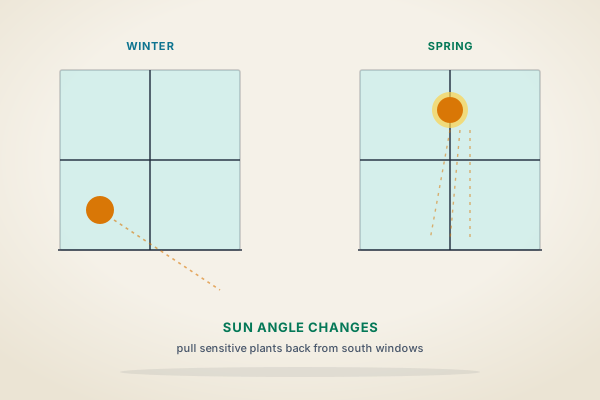
Move toward brighter light gradually; winter-adapted leaves sunburn faster than you'd expect. How to fix it: If you're moving plants to brighter spots or back outdoors, do it gradually over 1–2 weeks. Start with indirect light or morning sun only, then increase exposure by an hour or two each day. Watch for bleaching or wilting as signs of too much too fast. Plants that spent winter far from windows need the most gradual transition.
-
Inspect for overwintering pests
Pest populations that were small or dormant in winter can explode as temperatures warm up and plants start putting out tender new growth. Spider mites, mealybugs, scale, and fungus gnats are the most common spring pests. New growth is particularly vulnerable because the leaves are soft and nutrient-rich. A pest problem that was barely noticeable in February can become a full infestation by April if you don't catch it early.
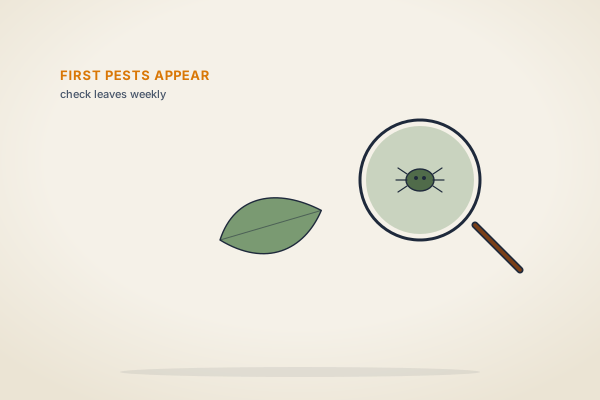
Check leaf undersides and stem joints; pest populations explode on tender spring growth. How to fix it: Do a thorough inspection of every plant in early spring. Check leaf undersides, stem joints, the base of the plant, and the top layer of soil. Wipe large leaves with a damp cloth; this cleans the plant and reveals hidden pests. Treat any issues immediately with insecticidal soap or neem oil. If bringing outdoor plants in created pest issues over winter, spring is the time to resolve them before populations boom.
-
Propagate and divide established plants
Spring is the best time to propagate houseplants because root development is fastest during active growth. Stem cuttings, leaf cuttings, and divisions all have the highest success rates from March through June. Plants like pothos, philodendrons, and tradescantia root easily from stem cuttings in water or soil. Overcrowded plants like snake plants, peace lilies, and spider plants benefit from division, which gives the parent plant room to grow while creating new plants for other rooms or to share.
How to fix it: Take stem cuttings from healthy growth just below a node; this is where roots will emerge. Place in water or moist perlite and keep in bright indirect light. For division, unpot the plant and gently separate natural clumps, ensuring each division has roots attached. Pot divisions in fresh soil and water well. Most cuttings show roots within 2–4 weeks in spring conditions.
-
Clean dusty leaves
Over winter, dust and grime accumulate on leaf surfaces, blocking light and reducing photosynthesis efficiency. A layer of dust can reduce light absorption by 20–30%, which is significant when light is already limited. Dusty leaves also clog the tiny pores (stomata) that plants use for gas exchange and transpiration. Spring cleaning your plants gives them a meaningful boost right when they need it most, at the start of their growing season.
How to fix it: Wipe large leaves with a damp microfiber cloth, supporting each leaf from underneath so you don't snap it. For plants with many small leaves (ferns, calatheas), give them a gentle lukewarm shower in the bathtub. Never use leaf-shine products; they clog stomata and do more harm than good. This is also a great opportunity to inspect for pests hidden under dust.
-
Rotate plants for even growth
During winter, plants often grow lopsided as they lean toward the nearest light source. This phototropism is more pronounced in winter when light comes from fewer directions. By spring, you may notice your monstera leaning dramatically toward the window or your fiddle leaf fig with leaves only on one side. Uneven growth isn't just an aesthetic issue; the shaded side of the plant produces less energy, making the plant less resilient overall.
How to fix it: Give each plant a quarter turn every week or two to promote symmetrical growth. Spring is a good time to restart this habit if you fell off during winter. If a plant has become very lopsided, rotate it 180 degrees and leave it for a few weeks; the trailing side will gradually produce new growth toward the light. Pruning the overgrown side also helps restore balance.
-
Consider moving plants outdoors gradually
Once nighttime temperatures consistently stay above 55°F (13°C), many houseplants benefit enormously from spending summer outdoors. The increase in light intensity, natural humidity, air circulation, and even rainwater gives plants a growth boost that indoor conditions simply can't match. However, moving plants outside too early or too abruptly can cause shock, cold damage, or severe sunburn. Wind, rain, and outdoor pests also present new challenges that indoor plants haven't experienced.
How to fix it: Start by placing plants outdoors in full shade for a few hours during the warmest part of the day, then bring them in at night. Over 7–10 days, gradually increase the outdoor time and light exposure. Choose a sheltered spot protected from strong wind and heavy rain. Check weather forecasts; bring plants inside if nighttime temperatures will drop below 55°F. Inspect regularly for outdoor pests like aphids and slugs that are drawn to tender houseplants.
Spring Plant Care Timeline
Not everything needs to happen at once. Here's when to tackle each spring task:
| Task | Early Spring (March) | Mid Spring (April) | Late Spring (May) |
|---|---|---|---|
| Fertilizing | Resume at half strength | Continue at half strength | Move to full strength |
| Repotting | Best time; growth starting | Still good; active growth | Okay but getting late |
| Pruning | Prune leggy growth | Shape as new growth fills in | Light maintenance only |
| Propagation | Take cuttings from pruning | Root cuttings, divide plants | Pot up rooted cuttings |
| Outdoor transition | Too early in most zones | Start hardening off | Move outdoors if above 55°F |
| Pest inspection | Full spring inspection | Monitor new growth | Watch for outdoor pests |
Frequently Asked Questions
- When should I start fertilizing my houseplants again in spring?
- Start fertilizing when you see the first new growth, usually in March or April. Begin at half strength and increase to full strength after 2–3 applications. Resume feeding gradually to avoid burning roots that have been dormant.
- How do I know if my plant needs repotting?
- Signs include roots growing out of drainage holes, roots circling the bottom of the pot, water running straight through, the plant becoming top-heavy, or soil drying within 1–2 days. Most plants benefit from fresh soil every 1–2 years.
- Can I put my houseplants outside in spring?
- Yes, once nighttime temperatures consistently stay above 55°F (13°C). Acclimate them gradually over 7–10 days, starting in full shade. Avoid placing indoor plants in direct sun immediately; they'll sunburn just like you would.
- How do I prune leggy plants from winter?
- Cut leggy stems just above a node (the bump where a leaf grows) using clean, sharp scissors. Most plants branch at the cut point, creating a fuller shape. Don't remove more than one-third at once. Save cuttings for propagation.
- When is the best time to propagate houseplants?
- March through June is ideal because active growth means faster root development. Stem cuttings root in 2–4 weeks during spring. Pothos, philodendrons, tradescantia, and monstera are among the easiest to propagate.
The Bottom Line on Spring Plant Care
Spring is your one-shot opportunity to set your plants up for the entire growing season. The big tasks; repotting, pruning, and resuming fertilizer; are best done now when plants have maximum energy and recovery time ahead of them. Don't try to do everything in one weekend; spread the work over March through May and prioritize by need. Repot the most root-bound plants first, prune the leggiest ones, and let the healthy plants ease into the season at their own pace. The most important thing? Start gradually. Half-strength fertilizer, gradual light transitions, and gentle watering increases will serve your plants better than any dramatic overhaul.
Get Personalized Plant Care Advice
PlantCareAI uses your location and local weather to give you advice tailored to your exact situation. No signup required to try.
Try the AI Plant Doctor