
Summer Plant Care: Keeping Houseplants Healthy in the Heat
By Ellen Hermance · PlantCareAI Editorial
Summer is peak growing season for most houseplants; longer days, warmer temperatures, and higher light levels fuel rapid growth and lush new foliage. But the heat also creates new challenges that can catch plant parents off guard. Soil dries out faster, sun intensity can burn shade-loving plants, air conditioning creates its own version of winter-dry-air problems, and vacations leave plants unattended for days or weeks. Summer plant care is about riding the wave of growth while protecting against heat stress, dehydration, and the pests that thrive in warm conditions. Here's how to keep every plant in your collection healthy through the hottest months. (If you're in the southern hemisphere, these tips apply to your December–February period instead.)
Quick Answer: In summer, water houseplants more frequently (every 2–5 days for most plants), protect shade-loving species from intense afternoon sun, maintain fertilizing every 2–4 weeks, and watch for pests that thrive in heat. Keep plants away from AC vents. Plan vacation watering in advance using self-watering solutions for trips over 5 days.
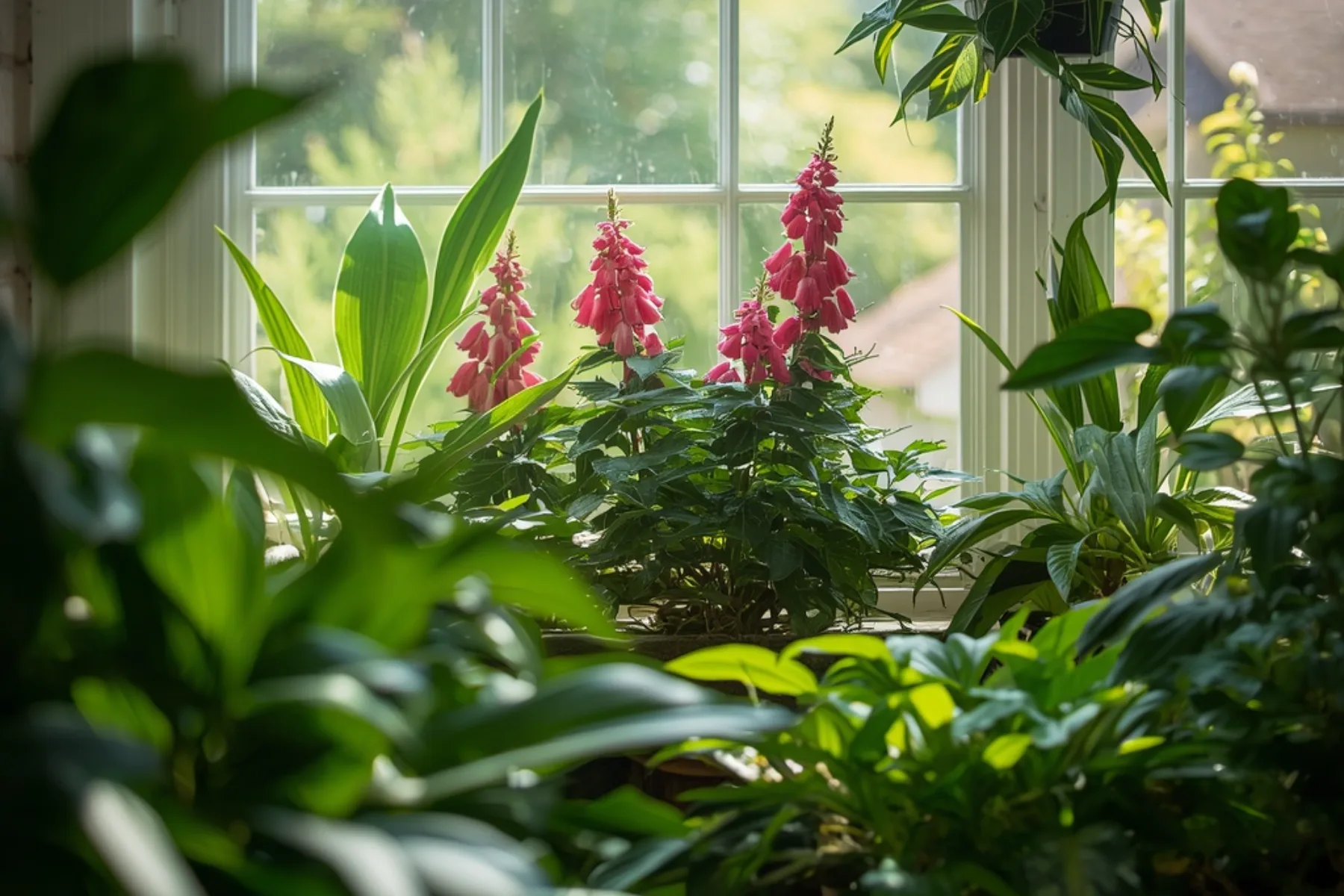
Summer Plant Care Tips for Healthy Houseplants
-
Water more frequently as soil dries faster
This is the most critical summer adjustment. Higher temperatures, longer days, and active growth mean plants transpire water much faster than in cooler months. Soil that stayed moist for a week in winter may dry out in 2–3 days during a July heatwave. Underwatering during active growth is more damaging than in dormancy because the plant is actively building new tissue and needs consistent moisture. Wilting in summer heat can happen surprisingly quickly, and severe dehydration can kill root tips, limiting the plant's ability to absorb water even after you water again.
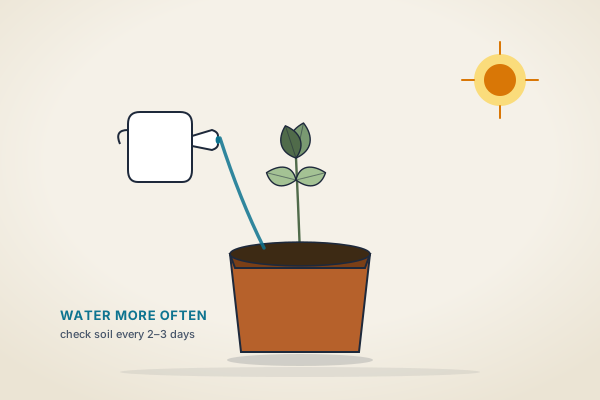
Check soil every 2–3 days in summer; it dries far faster than in cooler months. How to fix it: Check soil moisture every 2–3 days for most plants, and daily for small pots, terracotta containers, and heavy drinkers like calatheas and ferns. Water thoroughly until it drains from the bottom; light surface watering doesn't reach lower roots. Early morning is the best time to water, giving plants moisture before the heat peaks. If you're consistently finding bone-dry soil, consider whether the plant needs a larger pot.
-
Protect plants from intense afternoon sun
Summer sun is dramatically more intense than spring or fall sun, and the afternoon hours (roughly 12–4 PM) are the harshest. Plants that thrived in a south or west-facing window during spring can develop sunburn in summer: bleached white or yellow patches, brown scorched spots, or dried-out leaf edges on the sun-facing side. Even sun-loving plants like succulents can burn if they haven't been acclimated gradually. The glass in windows can also intensify heat, creating a greenhouse effect that pushes leaf temperatures well above the air temperature.
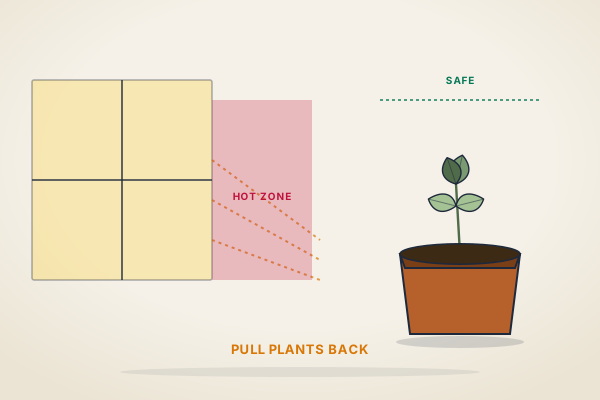
Pull shade-loving plants back from south and west windows; summer sun is far more intense. How to fix it: Move sensitive plants a few feet back from south and west-facing windows, or filter intense afternoon light with a sheer curtain. Watch for early signs of sun stress: leaves turning pale, developing a washed-out appearance, or curling away from the light. Rotate plants so the same side doesn't always face the sun. If you've moved plants outdoors, place them in dappled shade or morning-sun-only spots rather than full afternoon exposure.
-
Watch for signs of heat stress
Most houseplants are comfortable at the same temperatures humans prefer (65–80°F / 18–27°C), but summer can push indoor temperatures higher, especially in upper-floor rooms, south-facing spaces, and near windows. When temperatures exceed 85°F (29°C), many tropical plants show stress: wilting even with moist soil, drooping leaves, slowed or stopped growth, and in severe cases, leaf drop. Heat stress is different from underwatering; the plant is losing water through leaves faster than roots can absorb it, even when the soil is moist.
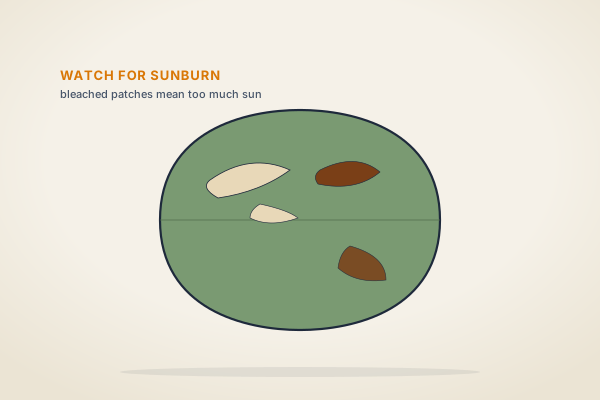
Bleached patches and wilting despite moist soil = heat stress, not underwatering. How to fix it: Keep indoor temperatures below 85°F if possible. Provide good air circulation with fans; moving air helps plants regulate temperature through transpiration. If a room gets extremely hot in the afternoon, move heat-sensitive plants (calatheas, ferns, peace lilies) to a cooler room during heatwaves. Avoid placing plants on hot surfaces like metal shelving near windows or on top of appliances that generate heat.
-
Maintain a consistent fertilizing schedule
Summer is when fertilizer pays the biggest dividends. Plants are growing actively, producing new leaves, stems, and roots that all require nutrients. Unlike winter when fertilizer can burn dormant roots, summer-active plants consume nutrients rapidly and can show deficiency symptoms without regular feeding: pale or yellowing leaves (nitrogen deficiency), poor root growth (phosphorus), and weak stems (potassium). Fast growers like monstera, pothos, and philodendrons are especially hungry during summer.
How to fix it: Feed most houseplants every 2–4 weeks with a balanced liquid fertilizer (like 10-10-10 or 20-20-20) diluted to the recommended strength. Slow-release granules applied at the start of summer can be a lower-maintenance alternative. Don't fertilize a bone-dry plant; water first, then fertilize to avoid root burn. If you notice salt buildup (white crust on soil surface), flush the soil with plain water to dissolve it.
-
Combat dry air from air conditioning
Air conditioning is summer's version of winter heating; it makes your home comfortable but removes moisture from the air. AC can drop indoor humidity to 30–40%, which is fine for most plants but problematic for tropical species that prefer 50–70% humidity. The effect is compounded near AC vents, where cold dry air blasts directly onto leaves. Symptoms mirror winter dry-air damage: brown leaf tips and edges, crispy new growth, and increased spider mite activity. Plants placed directly in the AC airstream may also experience cold-air stress similar to winter drafts.
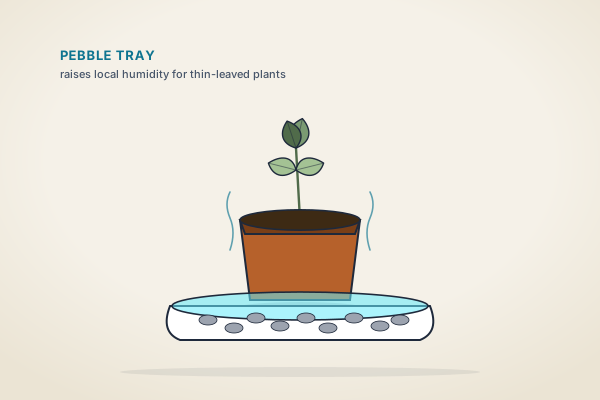
AC drops humidity as effectively as winter heating; humidifiers and grouping help. How to fix it: Keep plants out of the direct airflow of AC vents, at least 3–4 feet away. Run a humidifier in rooms with heavy AC use, especially if you grow calatheas, ferns, or other humidity-loving species. Grouping plants together raises local humidity through shared transpiration. If your home runs AC constantly, consider placing a pebble tray under plants for consistent passive humidity boosting.
-
Monitor for summer pests
Warm temperatures accelerate pest reproduction cycles, and summer brings both indoor and outdoor pest challenges. Spider mites, which prefer hot dry conditions, can reach explosive population levels in summer. Fungus gnats thrive in consistently moist soil that's warm; exactly the combination you create by watering more frequently in summer. If you've moved plants outdoors, they're exposed to aphids, whiteflies, thrips, and even slugs and snails. Outdoor pests can hitch a ride back inside on plants or through open windows.
Inspect before bringing outdoor plants inside; quarantine for 2 weeks to prevent spread. How to fix it: Inspect plants weekly during summer, checking leaf undersides and stem joints. For spider mites, increase humidity and spray affected plants with a strong stream of water to dislodge them. For fungus gnats, let the top inch of soil dry between waterings and use yellow sticky traps. Before bringing any outdoor plant back inside, quarantine it for 2 weeks and treat with insecticidal soap as a preventive measure.
-
Manage outdoor plant care if you move plants outside
Moving houseplants outdoors for summer can produce spectacular growth, but outdoor conditions are a different world from your living room. Rain can waterlog pots without drainage. Wind can snap tall stems and dry out soil rapidly. Outdoor light, even in shade, is far brighter than indoor light and can sunburn unadapted plants. Temperatures can swing by 20°F or more between day and night. And your carefully pest-free indoor plants are suddenly exposed to every insect in the garden.
How to fix it: Place outdoor plants where they're sheltered from strong wind and harsh afternoon sun: under a tree canopy, on a covered porch, or on the north side of a building. Ensure all pots have drainage holes so rain doesn't waterlog them. Check soil moisture more often; outdoor conditions dry soil faster but rainstorms can soak it. Elevate pots on pot feet or a plant stand to keep slugs out and improve drainage. Bring plants inside if temperatures are expected to drop below 55°F overnight.
-
Plan for vacation watering
Summer vacations are the biggest plant-care challenge of the year. A week without water during the hottest season can devastate a collection that gets watered every 3–4 days at home. Small pots, terracotta containers, and heavy drinkers like calatheas, ferns, and peace lilies are most at risk. Even a long weekend can stress plants if your home heats up significantly while you're away, especially if you turn off the AC to save energy.
How to fix it: Before you leave: water all plants thoroughly, move them away from direct sun to reduce water needs, and group them together. For trips over 5 days, consider self-watering solutions: terracotta watering spikes connected to water bottles, capillary wicking mats, or DIY wick systems using cotton rope from a water reservoir to the soil. For extended trips (2+ weeks), ask a plant-savvy friend to check on them. Leave clear instructions noting which plants need what.
-
Take advantage of peak growing season
Summer's long days and intense light create ideal conditions for activities that benefit from rapid growth. Propagation is highly successful from May through August because cuttings root faster in warmth and light. Training and shaping plants; adding moss poles, adjusting growth direction, or encouraging bushier habits through pinching; is most effective when the plant responds quickly with new growth. It's also a great time to experiment with new plant varieties, since garden centers and nurseries have their widest selection during summer.
How to fix it: If you've been wanting to propagate your monstera, train your pothos up a pole, or try your hand at growing something new, summer is the time. Take stem cuttings and place them in water or damp sphagnum moss; most will root within 2–3 weeks. Install moss poles or trellises for climbing plants while they're actively producing aerial roots. Pinch growing tips on plants like coleus, basil, and tradescantia to promote bushier growth with multiple stems.
Indoor vs. Outdoor Summer Plant Care
If you're deciding whether to keep plants inside or move them out, here's how care differs:
| Care Factor | Indoor Plants | Outdoor Plants |
|---|---|---|
| Watering | Every 3–7 days, check soil | Every 1–3 days, rain can waterlog |
| Sun exposure | Filter harsh afternoon sun | Morning sun or dappled shade best |
| Pest risks | Spider mites, fungus gnats | Aphids, whiteflies, slugs, thrips |
| Fertilizing | Every 2–4 weeks | Same, but rain can leach nutrients |
| Humidity | AC can dry air to 30–40% | Usually naturally adequate |
| Temperature | Stable but can get hot near windows | Swings 20°F+ between day and night |
Frequently Asked Questions
- How often should I water houseplants in summer?
- Check soil every 2–3 days. Most plants need watering every 3–7 days in summer, depending on pot size, material, and plant type. Small terracotta pots and heavy drinkers like ferns may need daily watering. Always check soil moisture rather than following a fixed schedule.
- Can houseplants get sunburned?
- Yes, especially plants that haven't been acclimated to direct sun. Sunburn appears as bleached, white, or brown patches on leaves facing the sun. Move affected plants to indirect light. Leaves with sunburn won't heal, but new growth will be fine once you adjust the light.
- How do I keep houseplants alive while on vacation?
- Water thoroughly before leaving, move plants away from direct sun, and group them together. For trips over 5 days, use self-watering solutions like terracotta spikes or wick systems. For 2+ week trips, arrange for someone to check on them.
- Should I move my houseplants outside for summer?
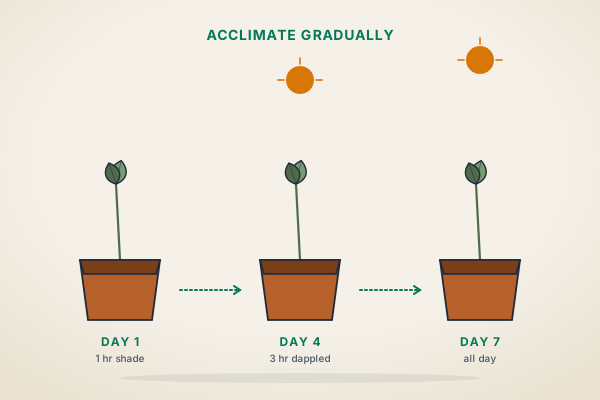
- Many benefit from outdoor summer conditions; the growth boost can be dramatic. Acclimate gradually over 7–10 days, keep them in sheltered spots out of harsh afternoon sun and wind, and bring them in if nighttime temperatures drop below 55°F (13°C).
- Why are my plants wilting even though the soil is moist?
- In extreme heat (above 85°F), plants can lose water through leaves faster than roots can replace it, even in moist soil. This is heat stress, not underwatering. Improve air circulation, move the plant to a cooler spot, and avoid adding more water to already-moist soil.
The Bottom Line on Summer Plant Care
Summer plant care is about balancing the tremendous growth potential with the risks that heat brings. Water more often, protect from intense sun, and keep air moving. The biggest summer mistake is neglect through vacations or underestimating how fast soil dries in the heat. If you stay on top of watering and provide reasonable protection from the harshest afternoon sun, your plants will reward you with the best growth of the year. Use the season's momentum for propagation, training, and building out your collection; there's no better time for it.
Get Personalized Plant Care Advice
PlantCareAI uses your location and local weather to give you advice tailored to your exact situation. No signup required to try.
Try the AI Plant Doctor