
Am I Overwatering My Plant? Signs & Fixes
By Ellen Hermance · PlantCareAI Editorial
Here's a hard truth: overwatering kills more houseplants than neglect ever will. It's easy to do; we want to show our plants love, and watering feels like caring. But too much of a good thing can drown your plant's roots and invite fungal diseases. Learning to recognize the signs early is the single most important skill in plant care.
Quick Answer: Signs of overwatering include yellow lower leaves, mushy stems, soil that stays wet for days, and fungus gnats. Let the soil dry out between waterings and ensure your pot has drainage holes.
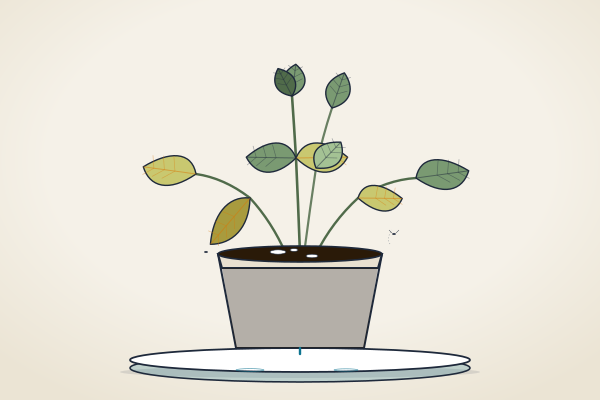
8 Signs You're Overwatering Your Plant
-
Yellow leaves (especially lower ones)
When older leaves turn yellow and feel soft or mushy, it's often the first visible sign of overwatering. The roots are sitting in too much water and can't absorb nutrients properly, so the plant sacrifices its oldest leaves first.
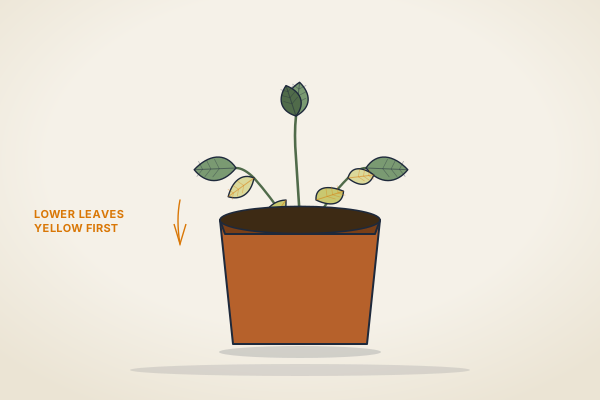
Lower leaves yellow and feel soft. Upper canopy stays healthy. How to fix it: Let the soil dry out completely before watering again. Remove yellowed leaves; they won't recover. Check that your pot has drainage holes.
-
Soil stays wet for days
If your soil is still moist a week after watering, you're watering too frequently, your pot lacks drainage, or the soil mix is too dense. Roots need oxygen between waterings; constantly wet soil suffocates them.
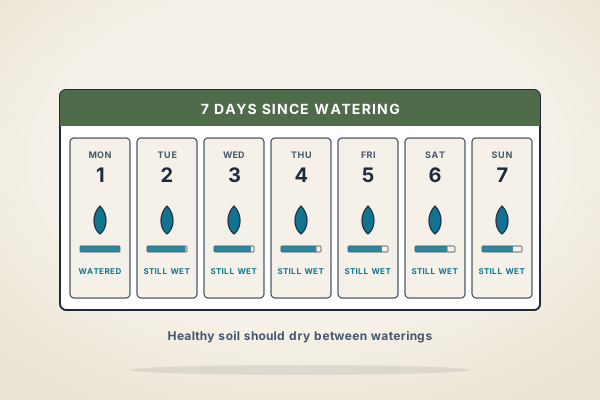
Day 7 and the soil is still moist. Roots need oxygen between waterings. How to fix it: Switch to a well-draining potting mix with perlite or pumice. Ensure your pot has drainage holes. Water only when the top 1–2 inches of soil are dry.
-
Mushy stems or brown, soft roots
This is root rot territory; the most serious consequence of overwatering. Healthy roots are white or tan and firm. If they're brown, black, or mushy when you unpot the plant, fungal decay has set in.
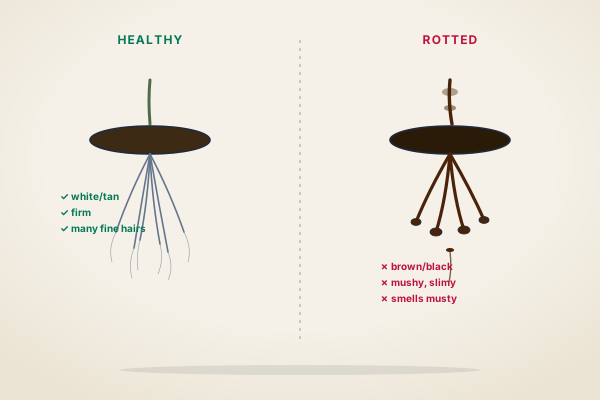
Healthy roots are white and firm. Rotted ones are brown, mushy, and smell musty. How to fix it: Unpot the plant, trim all mushy roots with sterilized scissors, treat with hydrogen peroxide solution, and repot in fresh dry soil. Hold off watering for a few days.
-
Fungus gnats hovering near soil
Those tiny dark flies zigzagging around your plant love moist organic soil. A gnat infestation is a reliable indicator that your soil is staying too wet for too long; the larvae feed on fungi that thrive in damp conditions.
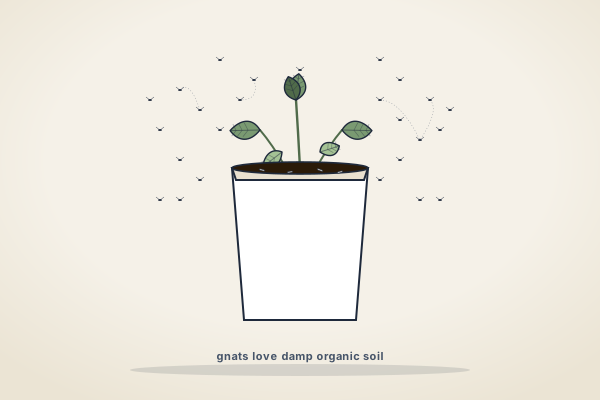
Tiny dark flies zigzag near the soil. Their larvae feed on damp organic matter. How to fix it: Let the top 2 inches of soil dry completely between waterings. Use yellow sticky traps for adults and a hydrogen peroxide soil drench to kill larvae.
-
Mold or white fuzz on soil surface
White fuzzy growth on top of your soil is saprophytic mold that thrives in consistently moist, low-airflow environments. While the mold itself is usually harmless, it's a warning sign that conditions are too wet.
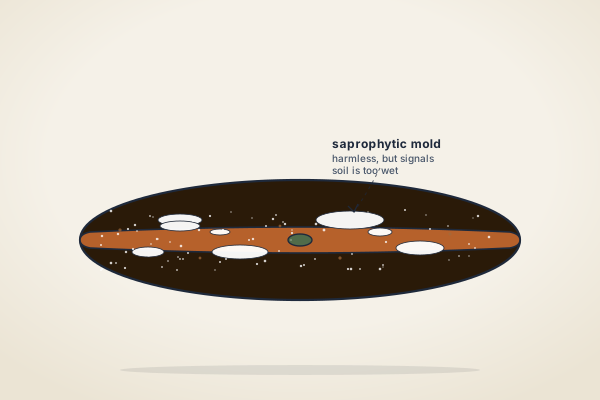
White fuzzy patches signal soil that's too wet for too long. How to fix it: Scrape off visible mold, improve air circulation around the plant, and reduce watering frequency. Consider adding a thin layer of perlite on top of the soil.
-
Drooping despite wet soil
This is one of the most confusing symptoms. Your plant is wilting, so you assume it needs water, but the soil is already moist. The drooping is actually caused by damaged roots that can no longer take up water, even though it's available.
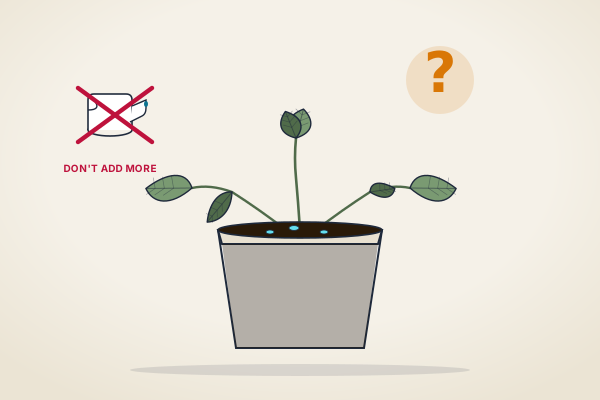
Wilting in wet soil; do not add more water. Roots are too damaged to drink. How to fix it: Do not add more water. Check roots for rot. If they're mushy, follow the root rot treatment steps. If roots look okay, let the soil dry and improve drainage going forward.
-
Edema (water-filled bumps on leaves)
Small raised bumps or blisters on leaf undersides, often on succulents, jade plants, and peperomias, indicate edema. The plant absorbs water faster than it can transpire, causing cells to burst.

Raised blisters: cells burst when water inflow outpaces transpiration. How to fix it: Reduce watering frequency and increase light and airflow. Affected leaves won't heal but new growth will be normal once watering improves.
-
Slow or stunted growth
Chronically overwatered plants often stop producing new growth entirely. The roots are too stressed or damaged to support new leaves. The plant enters survival mode, focusing energy on maintaining existing foliage rather than growing.
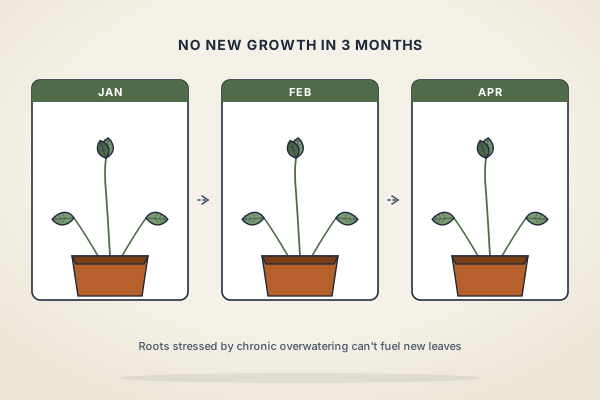
No new leaves in months. Roots too stressed to fuel new growth. How to fix it: Correct your watering schedule and ensure good drainage. Once root health recovers (2–4 weeks), new growth should resume, especially during spring and summer.
Overwatering vs. Underwatering Symptoms
Many overwatering symptoms look similar to underwatering. Here's how to tell them apart:
| Symptom | Overwatering | Underwatering |
|---|---|---|
| Leaf color | Yellow, soft, mushy | Brown, dry, crispy |
| Leaf feel | Limp and soft | Dry and papery |
| Soil | Soggy, wet for days | Dry, crumbly, pulls from pot |
| Stems | Soft, possibly mushy at base | Firm but dry |
| Roots | Brown, mushy, smelly | Dry but white and firm |
| Pot weight | Heavy | Very light |
| Pests | Fungus gnats common | Spider mites more likely |
Frequently Asked Questions
- Can an overwatered plant be saved?
- Yes, if caught early. Stop watering, let the soil dry out completely, and check for root rot. Trim mushy roots and repot in fresh soil if needed.
- How long does it take for an overwatered plant to recover?
- Most plants recover within 1–2 weeks after correcting watering habits. If root rot is present, recovery may take 3–4 weeks.
- Should I repot an overwatered plant?
- Only if you suspect root rot or the soil isn't draining well. Otherwise, just let the soil dry out completely before watering again.
- How do I know if my plant needs water or has too much?
- Always check the soil before watering. Stick your finger 2 inches in; if it's moist, wait. A moisture meter is also helpful for larger pots.
- Is it better to underwater or overwater?
- Underwatering is almost always safer. Most plants recover quickly from brief drought but struggle to recover from root rot caused by overwatering.
The Bottom Line on Overwatering
Overwatering is the #1 killer of houseplants, but it's entirely preventable. The golden rule: always check soil moisture before watering. If the top 1–2 inches are still moist, wait. Use pots with drainage holes, choose well-draining soil mixes, and remember that most plants prefer to dry out slightly between waterings.
Not sure what's wrong?
Premium includes AI photo diagnosis, then walks you through the fix and checks back in until it's better.
See Premium →Get Personalized Plant Care Advice
PlantCareAI uses your location and local weather to give you advice tailored to your exact situation. No signup required to try.
Try the AI Plant Doctor