
Complete Guide to Watering Houseplants
By Ellen Hermance · PlantCareAI Editorial
Watering is the single most important plant care skill, and the one most people get wrong. There's no universal schedule that works for every plant. Instead, successful watering comes down to understanding your plant's signals, your environment, and a few reliable techniques.
Quick Answer: Check the soil before every watering; stick your finger 1-2 inches deep. If dry, water thoroughly until it drains from the bottom. If still moist, wait. This single habit prevents the #1 cause of houseplant death: overwatering.
The Golden Rule: Check Before You Water
Forget calendars and schedules. The only reliable way to know if your plant needs water is to check the soil. Stick your finger 1-2 inches into the soil. If it feels dry, water thoroughly until water drains from the bottom. If it's still moist, wait. This single habit prevents the #1 cause of houseplant death: overwatering.
How to Water Properly
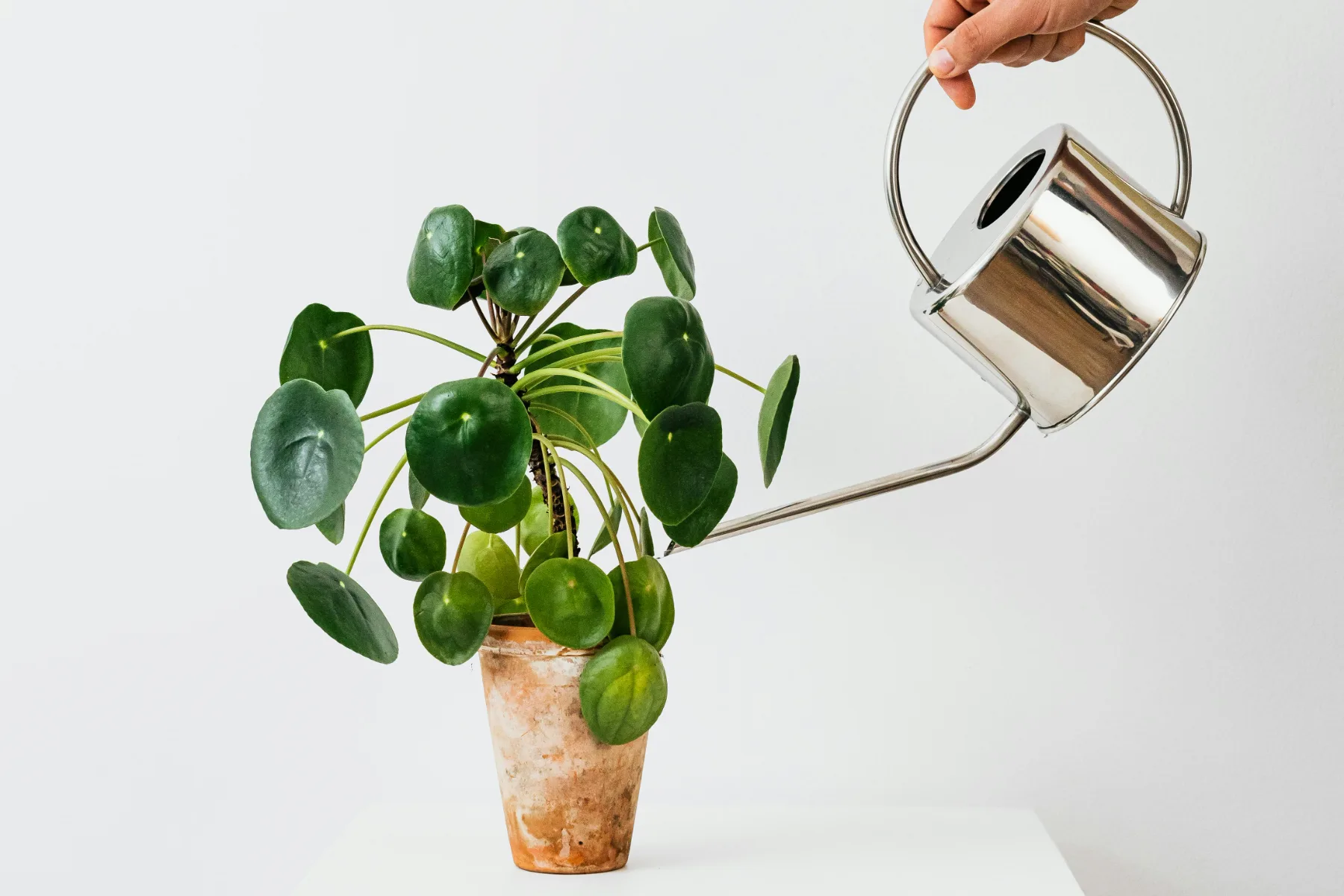
Water slowly and evenly until it flows from the drainage holes. This ensures the entire root ball gets moisture, not just the surface. Empty the saucer after 30 minutes; roots sitting in standing water develop rot. For really dry soil that has pulled away from pot edges, bottom-water by placing the pot in a tray of water for 20-30 minutes.
Factors That Affect Watering Frequency
Light intensity, pot size, soil type, humidity, temperature, and season all change how fast soil dries. A plant in bright light and a terracotta pot dries much faster than one in low light and a plastic pot. Summer growth means more water; winter dormancy means less. Pay attention to these variables rather than following a rigid schedule.
Signs of Underwatering vs. Overwatering
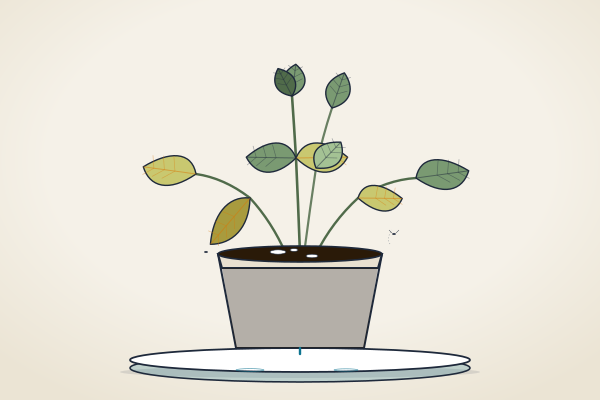
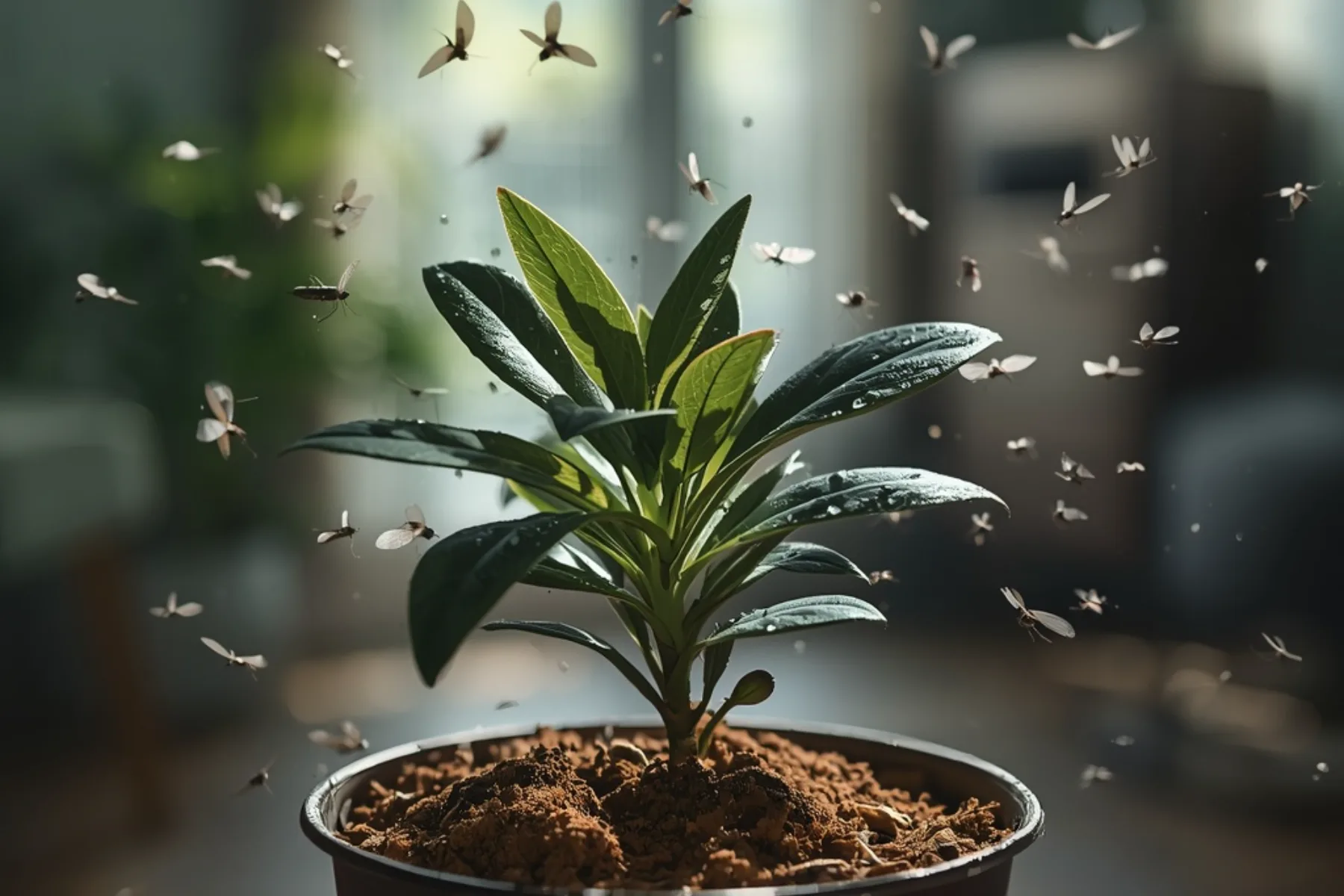
Underwatering: wilting leaves that perk up after watering, dry crispy leaf edges, soil pulling away from pot edges, lightweight pot. Overwatering: yellowing lower leaves, mushy stems, soggy soil that smells musty, fungus gnats, mold on soil surface. The fix for both starts with checking soil moisture before each watering.
Seasonal Watering Adjustments
Most houseplants need significantly less water in fall and winter when growth slows. Reduce frequency by 30-50% during shorter days. In spring and summer, actively growing plants drink more; check soil more frequently. If your plant gets weather-aware reminders from PlantCareAI, seasonal adjustments happen automatically.
Water Quality Matters
Tap water works for most plants, but sensitive species like calatheas, dracaenas, and spider plants can develop brown tips from fluoride and chlorine. Solutions: leave tap water out overnight, use filtered water, or collect rainwater. Avoid softened water; the sodium buildup harms roots over time.
Not sure what's wrong?
Premium includes AI photo diagnosis, then walks you through the fix and checks back in until it's better.
See Premium →Deep Dive Articles
Explore these detailed guides for specific topics covered in this guide:
Interactive Watering Tool
Not sure if your plant needs water today? Answer 4 quick questions about what you can see and feel. Get a clear "yes" or "no" in under a minute.
Should I Water My Plant Today? →Get Personalized Plant Care Advice
PlantCareAI uses your location and local weather to give you advice tailored to your exact situation. No signup required to try.
Get personalized watering advice for your plants →