
Why Are My Plant Leaves Turning Yellow?
By Ellen Hermance · PlantCareAI Editorial
Yellow leaves are your plant's way of waving a little flag that says "something's off." The tricky part? Yellowing can have many different causes, and figuring out which one applies to your plant takes some detective work. The good news is that the pattern of yellowing; which leaves, how fast, and what they feel like; gives you strong clues about the problem.
Quick Answer: Yellow leaves are most often caused by overwatering or natural aging. If lower leaves yellow and feel soft with soggy soil, reduce watering. If only old leaves yellow while the plant looks healthy, it's normal leaf turnover.
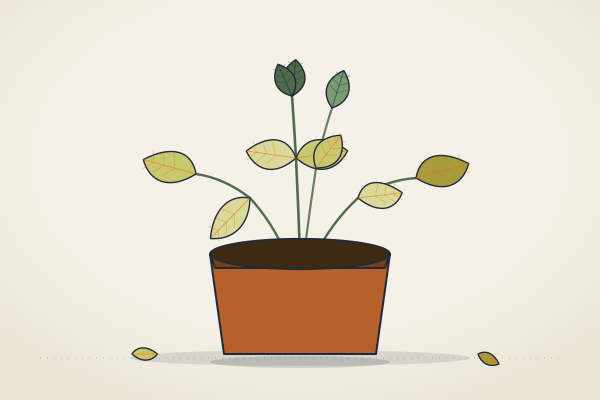
8 Common Causes of Yellow Leaves
-
Natural aging
Good news first: some yellowing is completely normal. Older leaves at the bottom of the plant naturally yellow and drop as the plant focuses energy on new growth. If only one or two lower leaves yellow occasionally while the rest of the plant looks healthy, this is just normal leaf turnover.
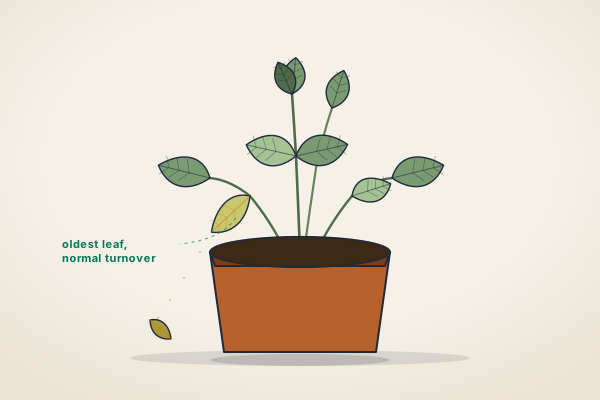
One old leaf yellows; the rest of the plant looks great. Normal turnover. How to fix it: No action needed; simply remove the yellow leaf. If your plant is otherwise healthy and producing new growth, this is part of its natural life cycle.
-
Overwatering
The #1 cause of yellow leaves in houseplants. When roots sit in water, they can't absorb nutrients or oxygen properly. Leaves turn yellow, often starting with lower leaves, and feel soft or mushy rather than crispy. The soil will typically feel wet or soggy.
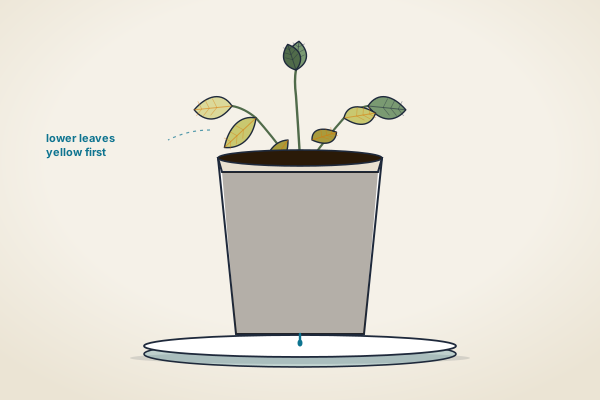
Lower leaves yellow first while the top stays healthy; the diagnostic tell. How to fix it: Let the soil dry out completely before watering again. Check that your pot has drainage holes. If you suspect root rot, unpot the plant and trim any brown, mushy roots.
-
Underwatering
Severely dry plants also yellow, but the leaves usually feel crispy and dry rather than soft. The yellowing often starts at the tips and edges and works inward. Check if your soil has pulled away from the pot edges; that's a telltale sign of chronic underwatering.
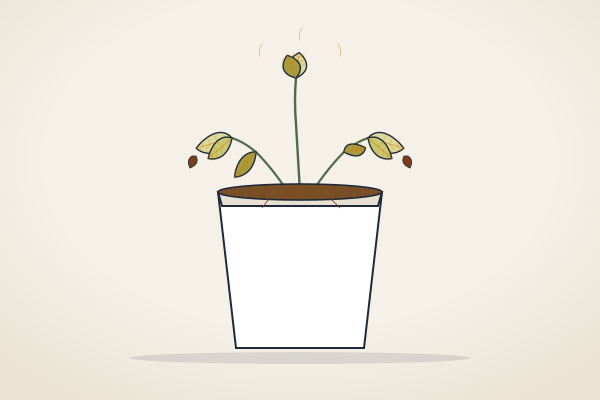
All-over yellowing, dry crispy tips, cracked soil. Pot feels light. How to fix it: Water thoroughly until it drains from the bottom. If soil has become hydrophobic (water runs right through), soak the entire pot in a basin of water for 15–20 minutes.
-
Nutrient deficiency
If your plant hasn't been fertilized in months and the potting soil is old, it may be running low on essential nutrients. Nitrogen deficiency shows as uniform yellowing of older leaves. Iron deficiency yellows new growth first while veins stay green (interveinal chlorosis).
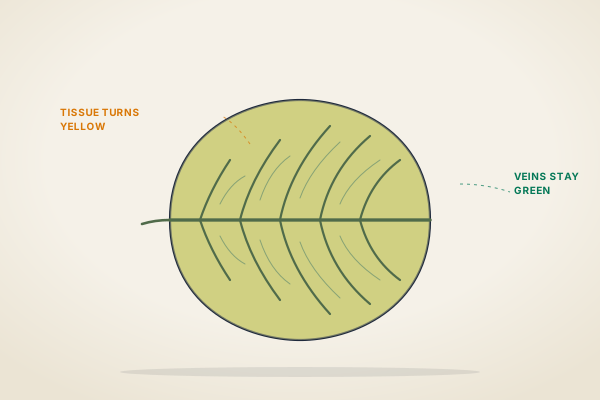
Yellow tissue with green veins; the signature of nutrient deficiency. How to fix it: Apply a balanced liquid fertilizer at half-strength during the growing season (spring/summer). For iron deficiency specifically, use an acidic fertilizer or chelated iron supplement.
-
Too much direct sun
Some plants get sunburned when exposed to intense direct light, especially shade-loving species moved suddenly to a bright window. Yellow or bleached patches appear on leaves facing the light source, and the damage is typically one-sided.
How to fix it: Move the plant to bright indirect light, or filter direct sun with a sheer curtain. Damaged leaves won't recover, but new growth will be normal once light is corrected.
-
Too little light
Plants in very low light can't photosynthesize efficiently, leading to overall pale green or yellow foliage. The plant may also become leggy as it stretches toward any available light source. This is gradual; happening over weeks or months rather than days.
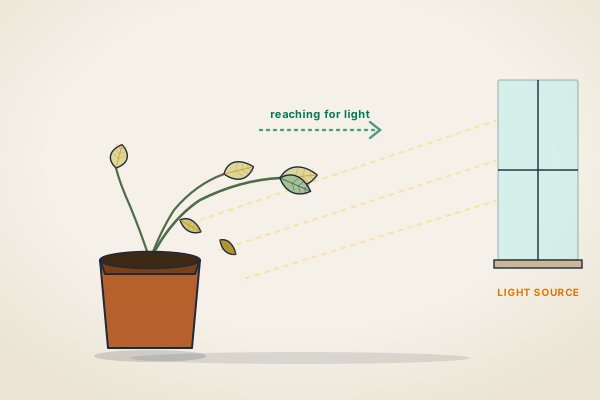
Stems stretch toward the window. Leaves go pale yellow as chlorophyll fails. How to fix it: Move the plant to a brighter spot or supplement with a grow light. Most houseplants need at least medium indirect light (a few feet from a window) to maintain healthy color.
-
Temperature stress or cold drafts
Exposure to temperatures below 50°F (10°C) or sudden cold drafts from windows, doors, or air conditioning can trigger rapid yellowing. Tropical plants are especially sensitive; even a single night of cold exposure can cause yellowing within days.
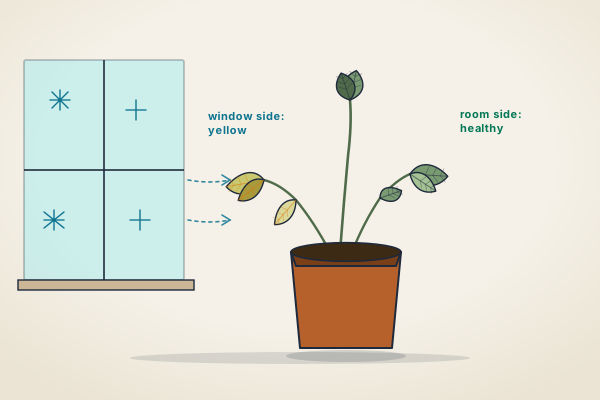
Yellowing only on the side facing the window. Room-side stays healthy. How to fix it: Move the plant away from cold drafts, exterior doors, and air conditioning vents. Keep temperatures consistently between 60–75°F (15–24°C) for most houseplants.
-
Root rot or root damage
If many leaves are yellowing quickly and the plant seems to be declining overall, root rot may be the underlying cause. This is usually the result of chronic overwatering, but can also be caused by pathogens in contaminated soil. A sour or musty smell from the pot is a strong indicator.
How to fix it: Unpot and inspect the roots. Trim any brown, mushy roots with sterilized scissors. Repot in fresh well-draining soil and reduce watering going forward.
Yellow Leaf Diagnosis by Pattern
The pattern of yellowing tells you a lot about the cause. Use this guide to narrow down the problem:
| Pattern | Likely Cause | Check This |
|---|---|---|
| Lower leaves yellow, soft | Overwatering | Is soil soggy? Does pot drain? |
| Lower leaves yellow, crispy | Underwatering | Is soil bone dry? |
| Overall pale/yellow | Low light or nitrogen deficiency | How far from window? When last fertilized? |
| New growth yellow, veins green | Iron deficiency | Soil pH too high? Needs chelated iron |
| One-sided yellow patches | Sunburn | Direct sun hitting those leaves? |
| Rapid multi-leaf yellowing | Root rot or cold stress | Check roots and recent temperatures |
| 1–2 bottom leaves only | Natural aging | Plant otherwise healthy? No action needed |
Frequently Asked Questions
- Should I remove yellow leaves from my plant?
- Yes; yellow leaves won't turn green again. Removing them lets the plant redirect energy to healthy new growth.
- Can yellow leaves turn green again?
- No. Once a leaf has turned yellow, the chlorophyll is gone and it won't recover. It's best to remove it and address the underlying cause.
- Is one yellow leaf on my plant normal?
- Yes; occasional yellowing of older lower leaves is natural leaf turnover and not a cause for concern, especially if the rest of the plant looks healthy.
- Why are only the bottom leaves of my plant turning yellow?
- Bottom-leaf yellowing is typically either natural aging (normal) or overwatering (check soil moisture). If the soil is consistently soggy, reduce watering frequency.
- Why are the new leaves on my plant yellow?
- Yellow new growth usually indicates an iron deficiency or very low light. Try a fertilizer with micronutrients and ensure the plant gets adequate bright indirect light.
The Bottom Line on Yellow Leaves
Yellow leaves rarely mean immediate doom; they're a diagnostic clue. Start by checking your watering habits, since that's the cause about 60% of the time. If watering seems fine, work through light, nutrients, temperature, and root health. The pattern of yellowing is your best guide to the underlying problem.
Not sure what's wrong?
Premium includes AI photo diagnosis, then walks you through the fix and checks back in until it's better.
See Premium →Get Personalized Plant Care Advice
PlantCareAI uses your location and local weather to give you advice tailored to your exact situation. No signup required to try.
Try the AI Plant Doctor