
Why Are My Plant Leaves Turning Brown? Causes & Fixes
By Ellen Hermance · PlantCareAI Editorial
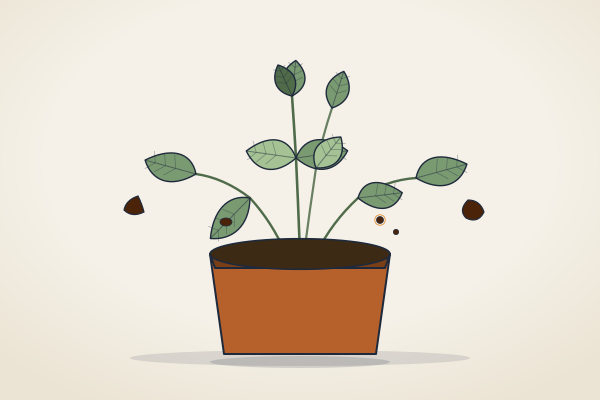
Brown spots, crispy edges, or entire leaves turning brown? The pattern matters; a lot. Where and how the browning appears tells you exactly what's going wrong. A leaf with brown crispy edges has a completely different cause than one with dark mushy spots. Let's decode what your plant is trying to say so you can fix it fast.
Quick Answer: The pattern of browning reveals the cause: crispy brown edges mean low humidity, soft dark spots mean overwatering, bleached patches mean sunburn, and brown tips mean tap water minerals or fertilizer burn.
9 Common Causes of Brown Leaves on Plants
-
Low humidity (crispy brown edges)
If leaf edges turn brown and papery while the center stays green, your air is too dry. This is the #1 cause of brown edges on tropical houseplants and is especially common during winter when indoor heating dries out the air. Calatheas, ferns, and peace lilies are particularly sensitive.
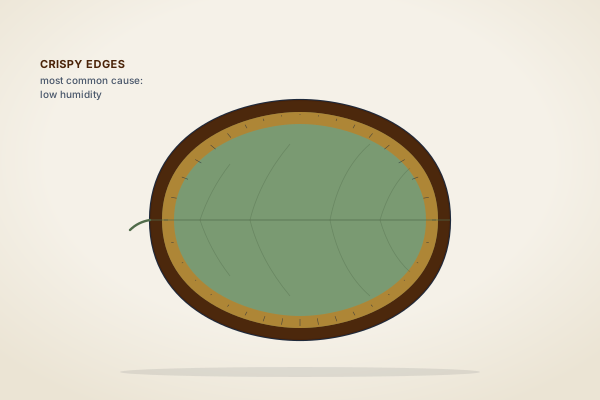
Crispy brown edges = low humidity or underwatering. Check the air first. How to fix it: Run a humidifier near your plants, aiming for 50–60% humidity. Group plants together to create a microclimate. A pebble tray with water beneath the pot can also help.
-
Overwatering (soft brown spots)
Mushy, dark brown spots, especially with yellow halos around them, often signal overwatering or root rot. The spots feel soft and wet rather than dry. This type of browning usually starts on lower leaves and can spread quickly if the roots are compromised.
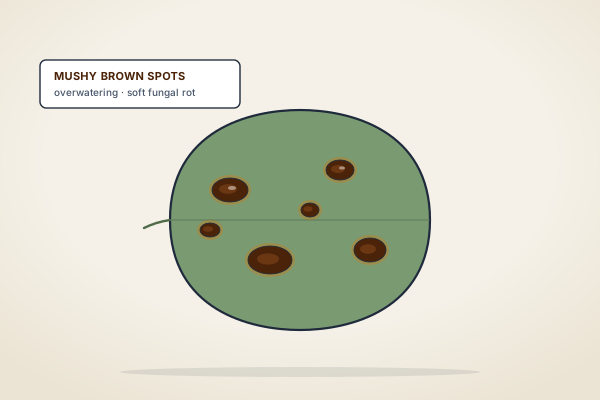
Soft brown spots that feel mushy = overwatering or fungal rot. How to fix it: Let the soil dry out completely. Check roots; if they're brown and mushy, trim the damaged portions with sterilized scissors and repot in fresh, well-draining soil.
-
Sunburn (bleached or crispy patches)
Direct harsh sunlight can scorch leaves, leaving bleached white or crispy brown patches, usually on the side of the plant facing the light source. This commonly happens when plants are moved suddenly from low light to direct sun without a transition period.
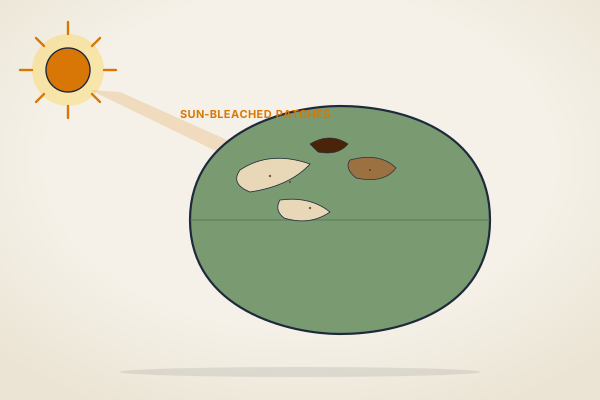
Bleached or crispy patches where sunlight hits hardest. Move plant out of direct rays. How to fix it: Move the plant to bright indirect light. If it needs to be near a window, use a sheer curtain to filter direct sun. Damaged leaves won't heal, but new growth will be normal.
-
Underwatering (dry, crispy whole leaves)
If entire leaves turn brown and feel dry and crispy; starting from the tips and edges and working inward; your plant needs more water. Check the soil: if it has pulled away from the pot edges or feels rock-hard, it's been dry for too long.
How to fix it: Water thoroughly until it drains from the bottom. If the soil is hydrophobic (water runs straight through), soak the whole pot in a basin of water for 20 minutes to rehydrate the soil.
-
Mineral buildup from tap water
Brown tips on spider plants, dracaenas, and calatheas are a classic sign of fluoride and chlorine sensitivity. These minerals accumulate in leaf tips over time, causing progressive browning. The tips turn brown but the rest of the leaf stays healthy.
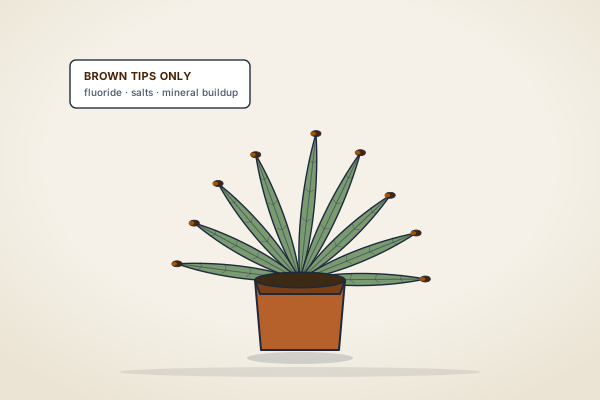
Sharp brown tip with yellow halo = fluoride or salt from tap water. How to fix it: Switch to filtered water, rainwater, or distilled water. You can also let tap water sit out overnight before using; this allows chlorine (but not fluoride) to dissipate.
-
Fertilizer burn
Too much fertilizer or fertilizing a dry plant causes salt buildup that burns roots and leaf tips. You may see a white crusty residue on the soil surface or pot rim. Brown tips that appear within a few days of fertilizing are a strong indicator.
How to fix it: Flush the soil by running water through the pot for several minutes. Reduce fertilizer frequency and always dilute to half the recommended strength. Never fertilize dry soil.
-
Cold damage
Tropical plants exposed to cold drafts or temperatures below 50°F (10°C) can develop dark brown or black patches on leaves. The damage often appears waterlogged initially, then turns dry and papery. This is common near single-pane windows in winter.
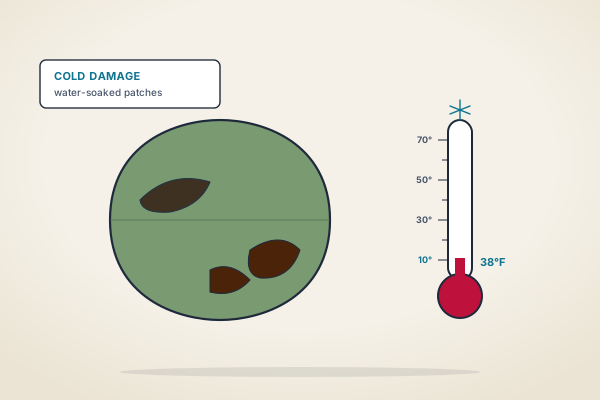
Translucent or mushy brown patches after cold exposure. Move away from drafts. How to fix it: Move the plant away from cold sources. Trim damaged leaves; they won't recover. Keep temperatures consistently above 60°F (15°C) for most houseplants.
-
Bacterial or fungal leaf spot
Brown spots with defined borders; sometimes with yellow halos or concentric rings; can indicate a bacterial or fungal infection. These spots may spread to nearby leaves if conditions stay wet. Overhead watering and poor air circulation increase the risk.
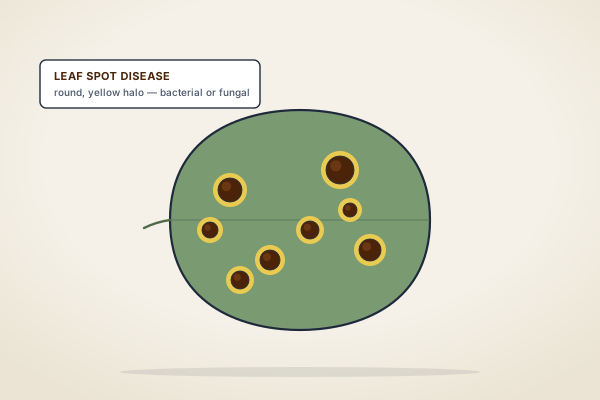
Circular spots with yellow halos = bacterial or fungal leaf spot. Improve air circulation. How to fix it: Remove affected leaves immediately. Improve air circulation and avoid getting water on leaves when watering. In severe cases, treat with a copper-based fungicide.
-
Root rot (advanced browning)
If multiple leaves are browning rapidly and the plant is declining overall, root rot may be the underlying cause. The browning happens because damaged roots can no longer supply water and nutrients to the foliage. Check for a musty smell from the pot.
How to fix it: Unpot and inspect roots. Trim all mushy, brown roots. Treat with hydrogen peroxide, repot in fresh soil, and reduce watering frequency going forward.
Brown Leaf Diagnosis Guide
Use the pattern of browning to identify the cause:
| Brown Pattern | Feels Like | Likely Cause |
|---|---|---|
| Edges only (margins) | Dry, papery, crispy | Low humidity |
| Tips only | Dry, pointed | Tap water minerals or low humidity |
| Soft dark spots | Mushy, wet | Overwatering or root rot |
| Bleached patches | Dry, papery | Sunburn (direct light) |
| Whole leaf crispy | Dry, crumbly | Underwatering |
| Spots with rings/halos | Dry or slightly raised | Bacterial/fungal infection |
| Dark waterlogged patches | Soft initially, then dry | Cold damage |
| Tips after fertilizing | Dry, brown | Fertilizer burn |
| Rapid multi-leaf browning | Mixed | Root rot (check roots) |
Frequently Asked Questions
- Should I cut off brown leaves?
- Yes; fully brown leaves won't recover. For partially brown leaves, trim the brown portions with clean scissors, cutting just inside the brown area.
- Why are only the tips of my leaves turning brown?
- Brown leaf tips usually indicate low humidity, mineral buildup from tap water, or inconsistent watering. It's one of the most common cosmetic issues in houseplants.
- Can brown leaves turn green again?
- No; once leaf tissue has died and turned brown, it cannot regenerate. Remove damaged portions and focus on preventing further browning.
- Why are my plant leaves turning brown in winter?
- Winter heating dries indoor air dramatically, causing brown crispy edges on humidity-loving plants. Cold drafts from windows can also cause dark brown patches.
- Should I worry about one brown leaf?
- Not necessarily; older leaves naturally die and brown. Worry if you see browning on multiple leaves, new growth, or if browning is spreading rapidly.
The Bottom Line on Brown Leaves
The pattern of browning is your biggest diagnostic clue: crispy edges mean humidity, mushy spots mean overwatering, bleached patches mean light damage, and brown tips mean water quality or fertilizer burn. Identify the pattern first, then apply the targeted fix. Most browning is preventable once you know the trigger.
Not sure what's wrong?
Premium includes AI photo diagnosis, then walks you through the fix and checks back in until it's better.
See Premium →Get Personalized Plant Care Advice
PlantCareAI uses your location and local weather to give you advice tailored to your exact situation. No signup required to try.
Try the AI Plant Doctor