Plant Leaf Problems: Yellow, Brown, Drooping & Curling
By Ellen Hermance · PlantCareAI Editorial
Your plant's leaves are its voice — the first thing to change when something is wrong. Too much water, not enough light, pests, mineral buildup, or temperature stress all show up in the leaves before the problem becomes serious. This guide walks through the six most common leaf problems — yellow, brown, drooping, curling, spots, and abnormal leaf drop — with the diagnostic steps and specific fixes for each.
Quick Answer: Leaf color and texture changes are your plant's way of telling you something is wrong. Yellow leaves usually mean overwatering; brown crispy edges mean low humidity; drooping means a water imbalance; curling means stress. Check the soil moisture first; it's the cause of most leaf problems.
Yellow Leaves
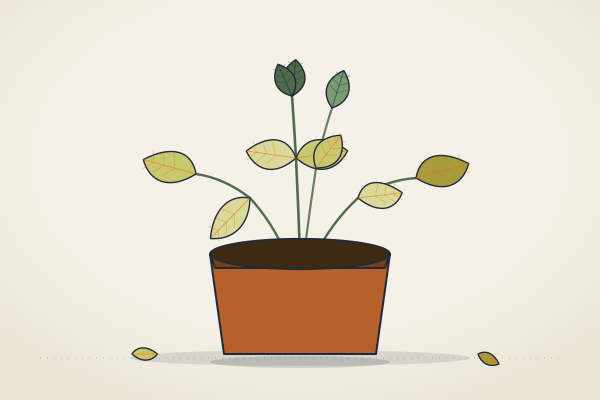
The most common leaf color change. Yellow lower leaves usually signal overwatering; check if soil is soggy. Yellow leaves throughout the plant can mean nutrient deficiency (especially nitrogen) or too little light. If only old leaves yellow while new growth looks healthy, it may just be normal leaf turnover.
Brown Leaves & Tips
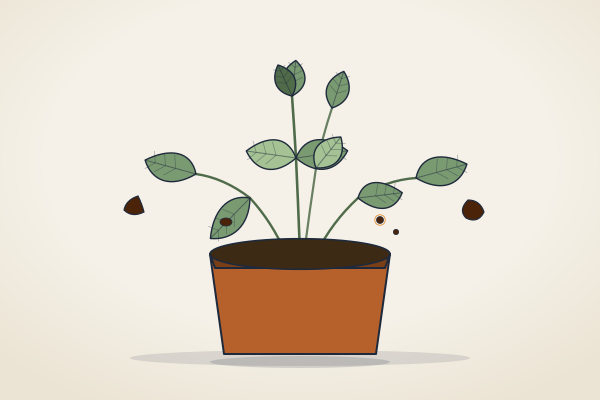
Where the browning appears matters. Brown crispy edges = low humidity. Brown mushy spots = overwatering or fungal infection. Brown dry patches = sunburn. Brown leaf tips on spider plants and dracaenas = mineral buildup from tap water. Identify the pattern to find the cause.
Drooping & Wilting
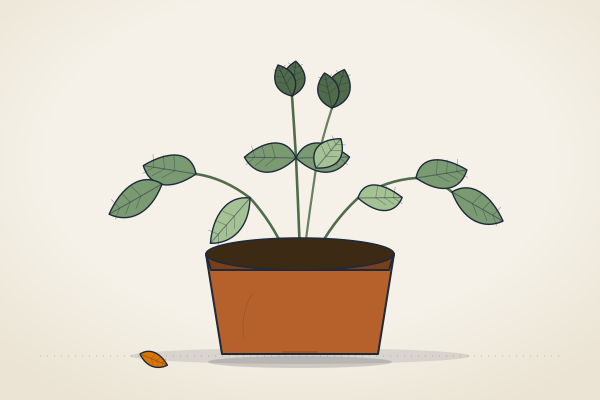
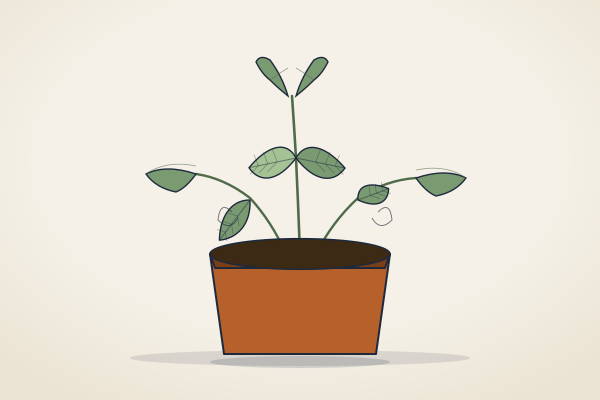
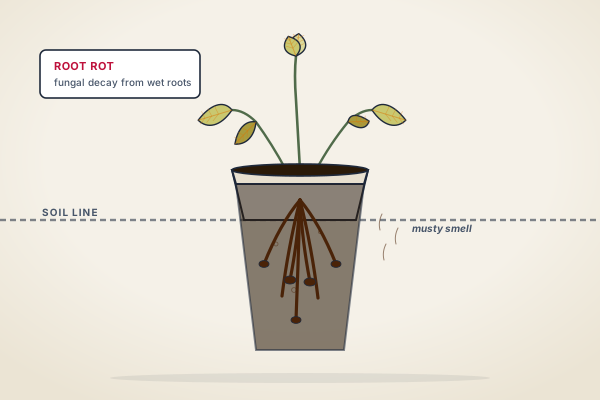
Drooping leaves usually mean a water problem, but which one? Check the soil. Bone dry = underwatering (water immediately). Soggy = overwatering or root rot (let dry out, check roots). Other causes: transplant shock, temperature extremes, or root-bound plants that can't absorb enough water.
Curling Leaves
Leaves curling inward often indicate underwatering or low humidity; the plant is trying to conserve moisture. Curling downward can mean overwatering or heat stress. Curling with distortion (twisted, bumpy) often points to pest damage. Check leaf undersides for tiny insects.
Spots & Patches
Dark water-soaked spots = bacterial or fungal infection (isolate the plant, remove affected leaves, improve airflow). White powdery coating = powdery mildew (reduce humidity, increase air circulation). Small dots with webbing = spider mites. Brown spots with yellow halos = leaf spot disease.
When to Worry vs. Normal Leaf Loss
It's normal for plants to drop older lower leaves as they grow; this is how they redirect energy to new growth. Occasional yellowing of the oldest leaf is not a crisis. Worry when: multiple leaves change at once, new growth is affected, the problem spreads quickly, or you notice pests.
Not sure what's wrong?
Premium includes AI photo diagnosis, then walks you through the fix and checks back in until it's better.
See Premium →Deep Dive Articles
Explore these detailed guides for specific topics covered in this guide:
Get Personalized Plant Care Advice
PlantCareAI uses your location and local weather to give you advice tailored to your exact situation. No signup required to try.
Get AI diagnosis for your plant's symptoms →