
How to Treat Root Rot (Step-by-Step Recovery Guide)
By Ellen Hermance · PlantCareAI Editorial
Root rot is one of the most common killers of houseplants, but catching it early gives your plant a fighting chance. If your plant is wilting despite moist soil, has yellowing leaves, or smells musty at the base, root rot could be the culprit. This guide walks you through identification, treatment, and prevention so you can save your plant and stop root rot from happening again.
Quick Answer: Root rot is caused by overwatering and poor drainage. To save your plant: unpot and inspect roots, trim all mushy brown roots, treat with hydrogen peroxide, repot in fresh well-draining soil, and water only when the top 1–2 inches are dry going forward.
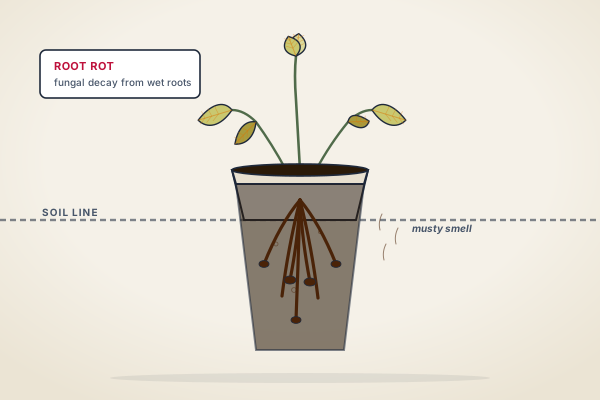
9 Steps to Identify, Treat & Prevent Root Rot
-
Know the warning signs
Root rot often goes unnoticed until it's advanced because the damage happens underground. Watch for these above-ground warning signs: wilting despite wet soil, yellowing leaves (especially lower ones), mushy brown stems near the soil line, a musty or sour smell from the pot, and slow or stopped growth. Multiple symptoms together strongly suggest root rot.
How to fix it: If you notice 2 or more of these signs simultaneously, act immediately; don't wait to see if the plant recovers on its own. Early intervention dramatically improves survival chances.
-
Unpot and inspect the roots
Gently remove the plant from its pot and rinse the roots under lukewarm running water to remove all old soil. This gives you a clear view of root health. Healthy roots are white or light tan, firm to the touch, and have a fresh earthy smell. Rotting roots are brown, black, or gray, feel mushy or slimy, and may have a foul odor.
How to fix it: Be gentle when handling the root ball; damaged but salvageable roots can break easily. If the soil smells strongly of rot, that's confirmation. Place the plant on newspaper or a towel to examine roots.
-
Trim all damaged roots aggressively
Using clean, sharp scissors or pruning shears sterilized with rubbing alcohol, cut away ALL brown, mushy, or slimy roots. Cut back to where you see healthy white tissue. Don't be conservative; it's far better to have a small amount of healthy root system than a large amount of rotting one. Rotting roots will spread the fungal infection to healthy tissue.
How to fix it: Sterilize your cutting tool between cuts (dip in rubbing alcohol) to avoid spreading fungal spores. If more than 75% of roots are gone, the plant will need extra care during recovery.
-
Treat remaining roots with hydrogen peroxide
After trimming, soak the remaining healthy roots in a solution of one part 3% hydrogen peroxide to two parts water for 10–15 minutes. The bubbling action kills remaining fungal spores on root surfaces without harming the plant. This is a critical step; skipping it risks the fungus re-establishing.
How to fix it: Alternatively, dust the trimmed roots with a powdered fungicide (like cinnamon powder as a mild natural option, or a commercial root fungicide for severe cases). Let roots air-dry for 30 minutes before repotting.
-
Clean or replace the pot
The old pot harbors fungal spores that can reinfect your plant. If reusing the pot, scrub it thoroughly with a solution of 1 part bleach to 9 parts water, then rinse well and let it dry completely. For severe cases, using a brand new pot is safer. Always choose a pot with drainage holes.
How to fix it: Consider downsizing the pot slightly; a plant with fewer roots doesn't need as much soil volume. Excess soil around a small root system stays wet too long and invites re-infection.
-
Repot in fresh, well-draining soil
Discard ALL old soil; do not reuse any of it. Use fresh potting mix amended with perlite or pumice (about 25–30% by volume) for extra drainage. The goal is a mix that retains enough moisture for roots but drains quickly so it never stays soggy. Never use garden soil for houseplants.
How to fix it: For plants especially prone to root rot (succulents, ZZ plants, snake plants), use a cactus/succulent mix or add even more perlite. Ensure the drainage hole isn't blocked.
-
Water carefully after repotting
After repotting, wait 2–3 days before watering lightly. The trimmed roots need time to form a callus over the cut surfaces; watering too soon can introduce new infections through open wounds. When you do water, do so sparingly until you see signs of new growth.
How to fix it: For the first 2 weeks, water about half as much as you normally would. Place the plant in bright indirect light (not direct sun) to reduce stress. Resist the urge to fertilize; stressed roots can't handle it.
-
Monitor recovery closely
Recovery from root rot takes 2–6 weeks depending on severity. Signs of successful recovery include new leaf growth, firming up of remaining leaves, and the plant regaining its upright posture. Some leaf loss during recovery is normal; the plant is shedding what its reduced root system can't support.
How to fix it: Check the plant every few days. If wilting continues after 2 weeks despite correct watering, unpot and reinspect; the rot may not have been fully removed. Be patient and avoid overcompensating with water.
-
Prevent root rot from returning
Root rot is almost always caused by overwatering, poor drainage, or both. Once you've saved your plant, prevention is about permanently changing your habits: always check soil moisture before watering, use pots with drainage holes, choose well-draining soil mixes, and never let plants sit in saucers of standing water.
How to fix it: Adopt the finger test permanently; only water when the top 1–2 inches of soil are dry. Consider a moisture meter for larger pots. Empty saucers 30 minutes after watering.
How to Treat Root Rot: Step-by-Step
-
Recognize the warning signs: wilting despite wet soil, yellowing leaves, musty smell
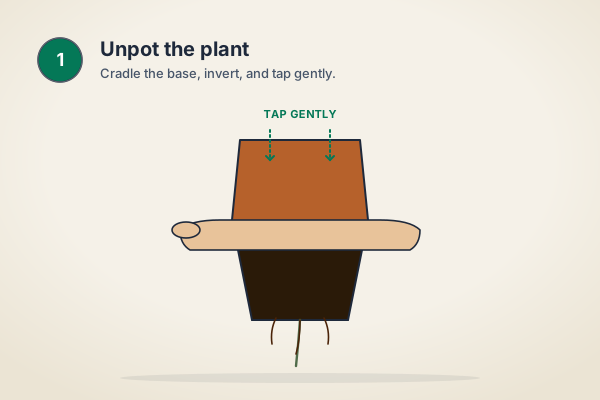
Step 1; Cradle the base, invert, and tap gently. -
Unpot the plant and gently rinse all soil from the roots under lukewarm water
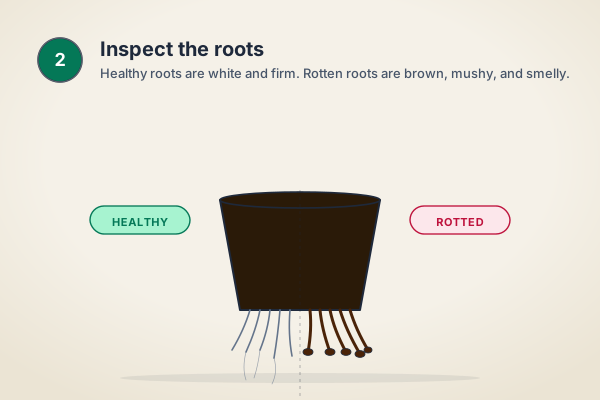
Step 2; Healthy = white, firm. Rotted = brown, mushy, smelly. -
Trim away all mushy, brown, or black roots with sterilized scissors; keep only firm white roots
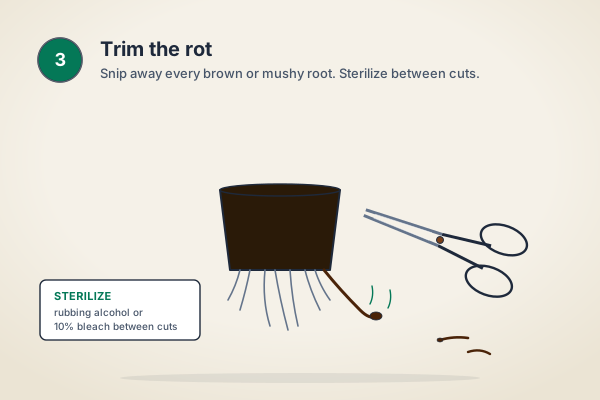
Step 3; Snip every brown or mushy root. Sterilize between cuts. -
Soak remaining roots in a 1:4 hydrogen peroxide to water solution for 10 minutes
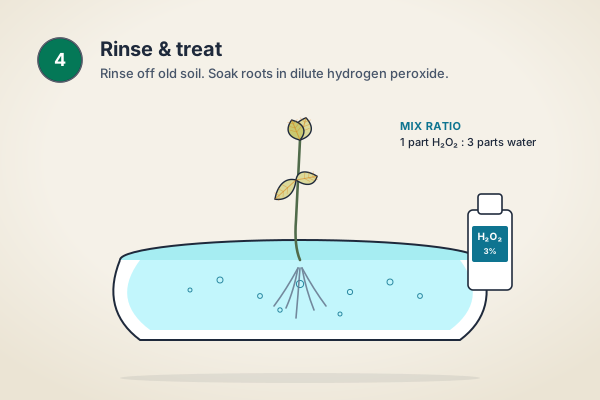
Step 4; Soak in 1 part 3% hydrogen peroxide to 3 parts water. -
Repot in fresh, well-draining potting mix in a clean pot with drainage holes
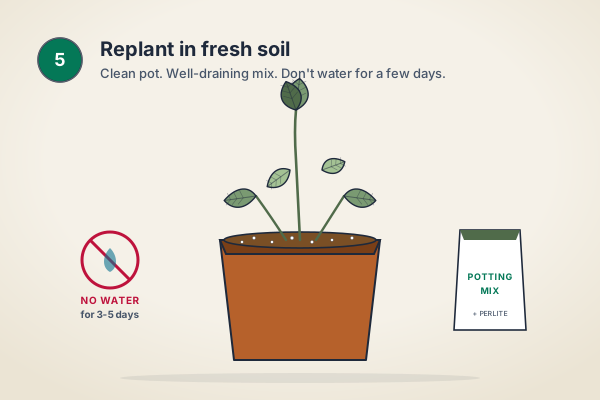
Step 5; Fresh well-draining mix in a clean pot. No water for 3–5 days. -
Water sparingly for the first 2 weeks; let the soil dry out between waterings
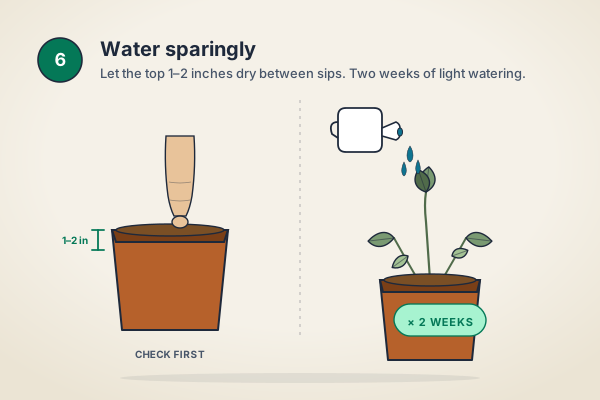
Step 6; Water sparingly. Let soil dry out fully between waterings for the first 2 weeks. -
Place in bright indirect light and monitor for new growth over 3-4 weeks
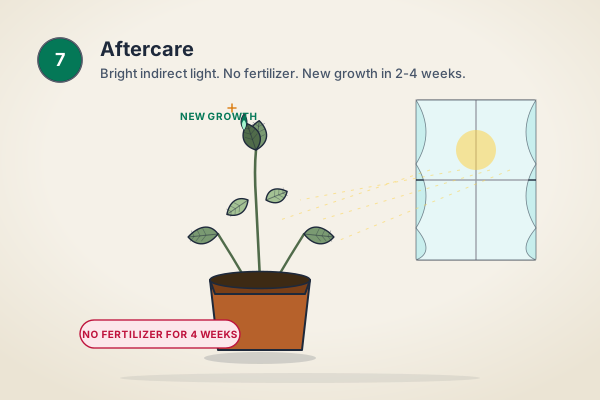
Step 7; Bright indirect light. No fertilizer for 4 weeks. Watch for new growth.
Root Rot Severity & Treatment Guide
Treatment approach depends on how far the rot has progressed:
| Severity | Signs | Root Damage | Treatment | Survival Rate |
|---|---|---|---|---|
| Early/Mild | Slight wilting, 1–2 yellow leaves | Less than 25% roots affected | Dry out, trim bad roots, repot | Very high (90%+) |
| Moderate | Multiple yellow leaves, musty smell | 25–50% roots affected | Trim, H2O2 treatment, fresh soil | Good (70–80%) |
| Severe | Widespread wilting, stem mushiness | 50–75% roots affected | Aggressive trim, fungicide, new pot | Fair (40–60%) |
| Critical | Plant collapsing, most roots gone | 75%+ roots affected | Trim to any healthy tissue, propagate backup | Low (20–30%) |
Frequently Asked Questions
- How do I know if my plant has root rot?
- The main signs are: wilting despite moist soil, mushy brown roots (check by unpotting), yellowing leaves, and a foul or musty smell from the pot.
- Can a plant survive root rot?
- Yes, if caught early. Even plants that have lost most of their roots can recover if the remaining roots are healthy. Plants with 25% or more healthy roots have a good chance.
- What causes root rot in houseplants?
- Overwatering combined with poor drainage is the primary cause. Fungal pathogens like Pythium and Phytophthora thrive in waterlogged, oxygen-deprived soil.
- Can root rot spread to other plants?
- The fungal pathogens can spread through contaminated soil, shared saucers, or dirty tools. Always sterilize tools and isolate affected plants during treatment.
- Should I propagate a plant with root rot as backup?
- Yes; if your plant has healthy stems or leaves, taking a cutting and rooting it in water or clean soil is smart insurance in case the main plant doesn't survive.
The Bottom Line on Root Rot Recovery
Root rot is serious but survivable if caught early. The key steps are: recognize the signs, unpot and inspect, trim aggressively, treat with H2O2, repot in fresh well-draining soil, and permanently fix your watering habits. Prevention is always easier than cure; use pots with drainage holes, check soil before watering, and never let plants sit in standing water.
Not sure what's wrong?
Premium includes AI photo diagnosis, then walks you through the fix and checks back in until it's better.
See Premium →Get Personalized Plant Care Advice
PlantCareAI uses your location and local weather to give you advice tailored to your exact situation. No signup required to try.
Try the AI Plant Doctor