
Plant Leaves Drooping? 8 Causes and How to Fix Each One
By Ellen Hermance · PlantCareAI Editorial
Nothing's more disheartening than seeing your once-perky plant suddenly slumping over. Don't panic; drooping leaves are one of the most common plant problems, and they're usually fixable once you identify the cause. The tricky part is that many different issues can look the same, so you'll need to play detective. Here's a comprehensive guide to figuring out what's wrong and getting your plant back to its upright self.
Quick Answer: Plant leaves usually droop from underwatering, overwatering, or temperature stress. Check the soil first; if the top 2 inches are dry, water thoroughly. If it's soggy, stop watering and let it dry out.
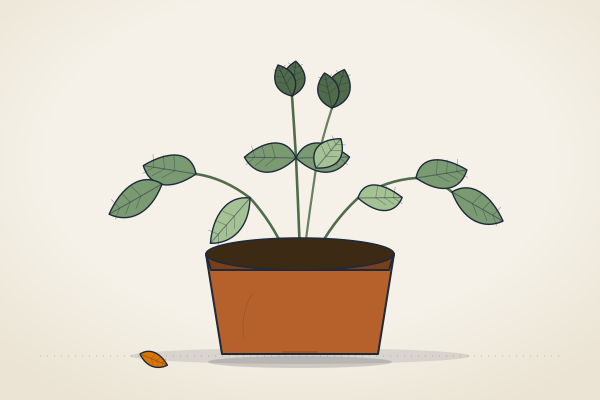
8 Common Causes of Drooping Plant Leaves
-
Underwatering
The most common culprit. When soil gets too dry, plants can't maintain turgor pressure in their cells, causing leaves to wilt and droop. Check if the soil is bone dry several inches down; if it has pulled away from the edges of the pot, it's been dry for too long.
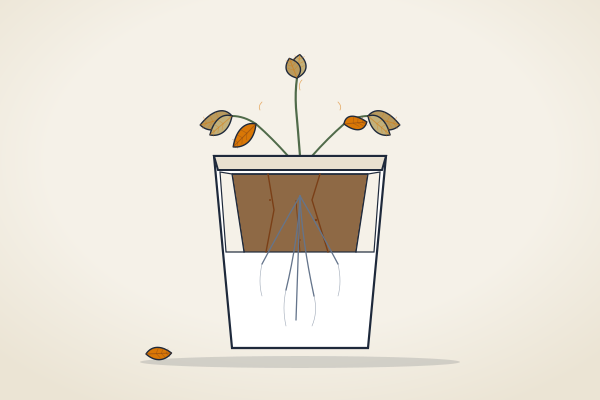
Dry, cracked soil pulls away from pot edges; leaves go crispy. How to fix it: Water thoroughly until it drains from the bottom of the pot. Most plants perk up within a few hours. Going forward, check soil moisture every few days with the finger test.
-
Overwatering
Ironically, too much water causes drooping too. Waterlogged roots can't absorb oxygen, leading to root suffocation and eventually root rot. If the soil is soggy, smells musty, or has been wet for more than a week, overwatering is likely your problem.
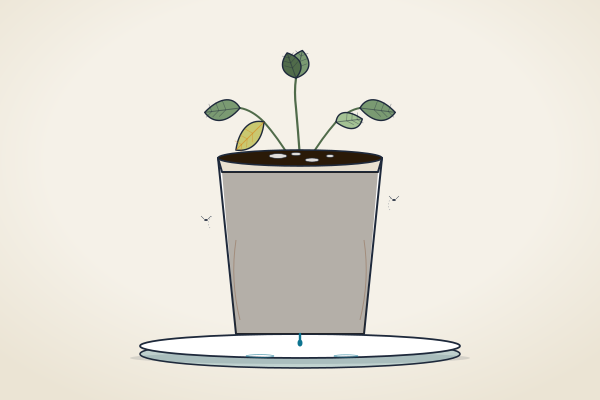
Saturated dark soil, yellow mushy leaf, water pooling in the saucer. How to fix it: Stop watering immediately and let the soil dry out completely. If you suspect root rot, unpot the plant, trim mushy brown roots, and repot in fresh well-draining soil.
-
Temperature stress
Sudden temperature changes; like cold drafts from windows, hot air from heating vents, or being placed near an exterior door in winter; can shock plants into drooping. Most houseplants prefer consistent temperatures between 60–75°F (15–24°C).
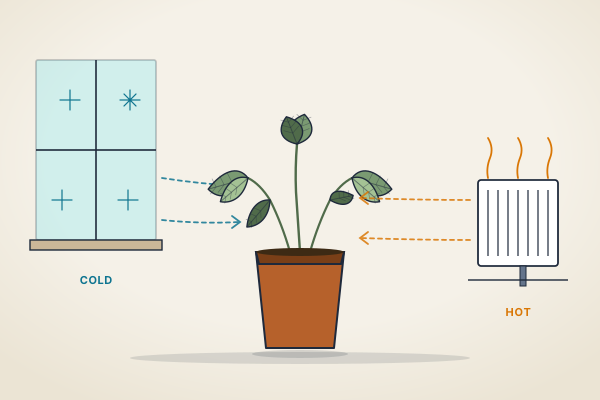
Cold drafts on one side, hot vents on the other; both shock plants into drooping. How to fix it: Move your plant away from drafts, vents, and temperature extremes. Once relocated to a stable environment, most plants recover within a day or two.
-
Transplant shock
Recently repotted? Plants often droop for a few days to a week while their roots adjust to new soil. Root disturbance during repotting temporarily reduces the plant's ability to take up water, causing temporary wilting.
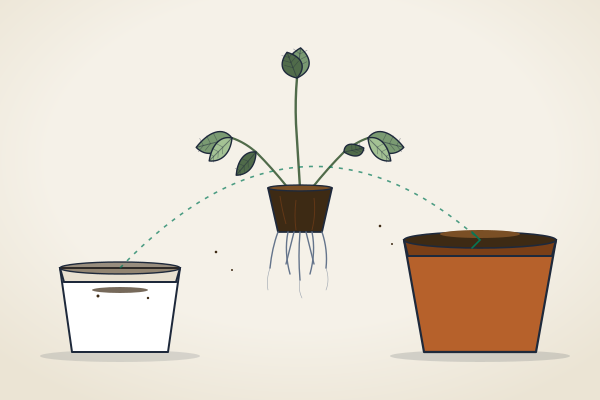
Roots disturbed during repotting cannot keep up with the canopy for a few days. How to fix it: Keep soil lightly moist (not soggy), place in indirect light, and avoid fertilizing for 2–3 weeks. Patience is key; most plants bounce back on their own.
-
Root bound
If roots are circling the pot with nowhere to grow, or poking out of drainage holes, the plant can't absorb enough water or nutrients to support its foliage. The plant may droop quickly after watering because the roots can't retain moisture.
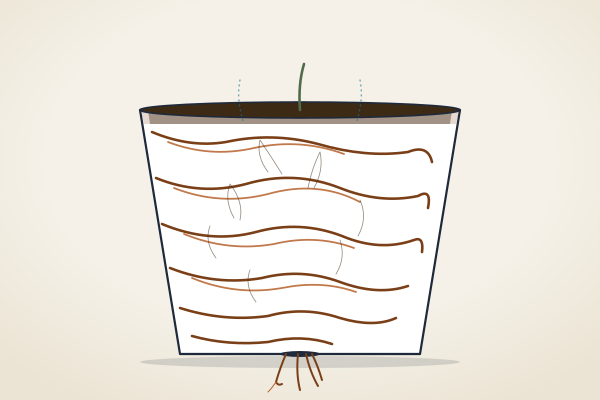
Roots circle the pot and escape drainage holes. Water runs straight through. How to fix it: Repot into a container 1–2 inches wider with fresh potting mix. Gently loosen any circling roots before placing in the new pot.
-
Too much direct sunlight
Many houseplants, especially tropicals like pothos, peace lilies, and ferns, wilt in harsh direct sun. The heat causes rapid moisture loss from leaves, and the plant droops to reduce its sun exposure. You may also notice bleached or scorched patches.
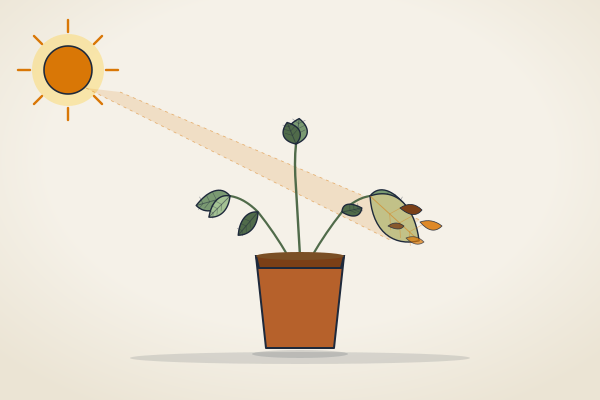
Bleached or brown patches where the sun hits hardest. Plants wilt to reduce exposure. How to fix it: Move the plant to a spot with bright indirect light, or filter direct sun with a sheer curtain. Water if the soil is dry; sun stress and dehydration often go together.
-
Low humidity
Plants native to tropical environments can droop when indoor humidity drops below 40%, which is common during winter heating season. The leaves lose moisture faster than the roots can replace it, especially on thin-leaved species like calatheas and ferns.
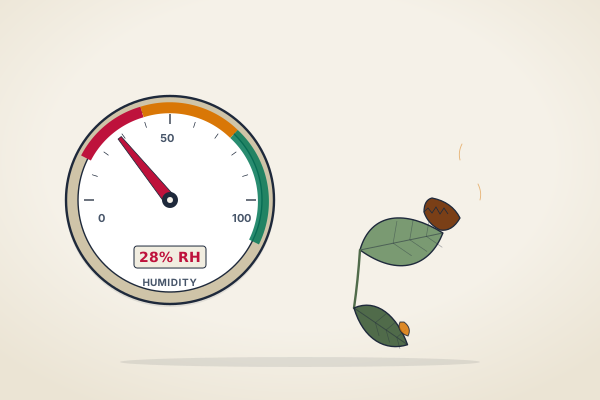
Hygrometer below 40%. Thin-leaved plants lose water faster than roots can replace it. How to fix it: Group plants together, place them on a pebble tray with water, or run a humidifier nearby. Misting provides only brief relief and isn't a long-term solution.
-
Pest infestation
Sap-sucking pests like spider mites, mealybugs, and aphids weaken plants by draining nutrients from leaves and stems. A severe infestation can cause widespread drooping, along with sticky residue, webbing, or visible insects on leaf undersides.
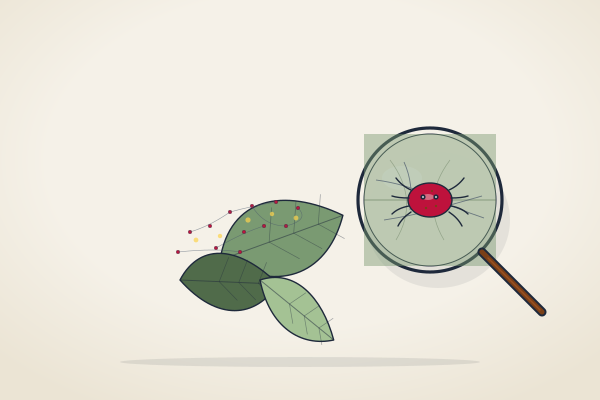
Spider mites, mealybugs, aphids. Inspect leaf undersides; webbing is a tell. How to fix it: Inspect leaves closely (especially undersides). Treat with insecticidal soap, neem oil, or rubbing alcohol on a cotton swab. Isolate the affected plant to prevent spread.
Overwatering vs. Underwatering Droop
Since both overwatering and underwatering cause drooping, here's how to tell them apart:
| Symptom | Underwatering | Overwatering |
|---|---|---|
| Soil feel | Dry, crumbly, pulls from pot edges | Soggy, wet, may smell musty |
| Leaf texture | Dry, crispy, papery edges | Soft, mushy, limp |
| Leaf color | Brown, dry tips | Yellow, especially lower leaves |
| Pot weight | Very light | Heavy |
| Recovery speed | Hours after watering | Days to weeks |
| Root health | Dry but white/firm | Brown, mushy, slimy |
Frequently Asked Questions
- How do I diagnose why my plant is drooping?
- Work through these checks in order: 1) Check the soil; dry and pulling away from pot edges means underwatering; soggy and musty means overwatering. 2) Check the roots; if you suspect overwatering, unpot and look for brown mushy roots (root rot). 3) Check temperature; is the plant near a vent, draft, or window with cold air? 4) Check light; is it in harsh direct sun for hours? 5) Check for pests; inspect leaf undersides for webbing, sticky residue, or insects. 6) Consider recent changes; did you just repot? Transplant shock is temporary and normal.
- Can drooping leaves recover?
- Yes, most plants perk up within a few hours of watering if underwatering is the cause. Recovery from overwatering or root rot takes longer, typically 1–2 weeks.
- Should I cut off drooping leaves?
- Only if they've turned yellow or brown. Healthy drooping leaves will usually recover once you fix the underlying issue.
- Why is my plant drooping after repotting?
- Transplant shock is normal. Keep soil lightly moist, avoid direct sun for a week, and your plant should recover within a few days.
- Why does my plant droop in the afternoon but recover overnight?
- This is usually heat or light stress. The plant wilts during peak sun hours when water loss exceeds uptake, then recovers in cooler evening temperatures.
- Can overwatering and underwatering both cause drooping?
- Yes; this is the most confusing part of plant care. Check the soil: dry soil means underwatering, soggy soil means overwatering. The fix is opposite for each.
The Bottom Line on Drooping Leaves
Drooping is one of the most common plant distress signals, but it's rarely a death sentence. Start by checking soil moisture; that's the cause about 70% of the time. If the soil is fine, work through temperature, light, humidity, and pests. Most plants recover fully once you address the root cause.
Not sure what's wrong?
Premium includes AI photo diagnosis, then walks you through the fix and checks back in until it's better.
See Premium →Get Personalized Plant Care Advice
PlantCareAI uses your location and local weather to give you advice tailored to your exact situation. No signup required to try.
Try the AI Plant Doctor