
Why Are My Plant Leaves Curling?
By Ellen Hermance · PlantCareAI Editorial
When your plant's leaves start curling inward, outward, or crisping at the edges, it's telling you something is off in its environment. The direction of the curl actually matters; leaves curling inward usually signal a moisture problem, while curling downward often points to heat or light stress. The good news? Curling is usually reversible once you figure out the trigger.
Quick Answer: Leaf curling is usually a stress response to underwatering, low humidity, or too much direct sun. Check the direction: inward curling means moisture stress, downward curling means heat/light stress, and distorted curling means pests.
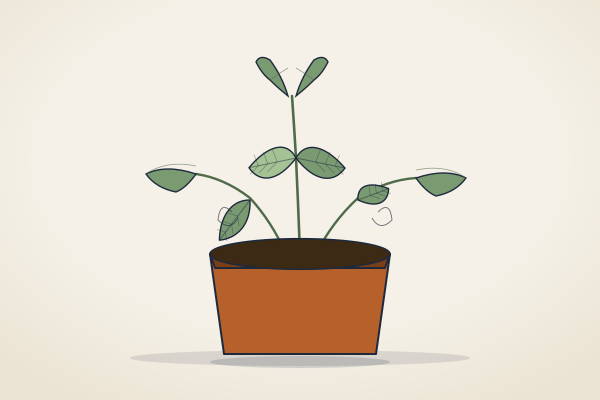
8 Common Causes of Curling Plant Leaves
-
Underwatering
The most common reason for curling. When a plant doesn't have enough water, leaves curl inward to reduce surface area and conserve moisture. Check if the soil is dry several inches down; if it's pulling away from the pot edges, it's been too dry for too long.
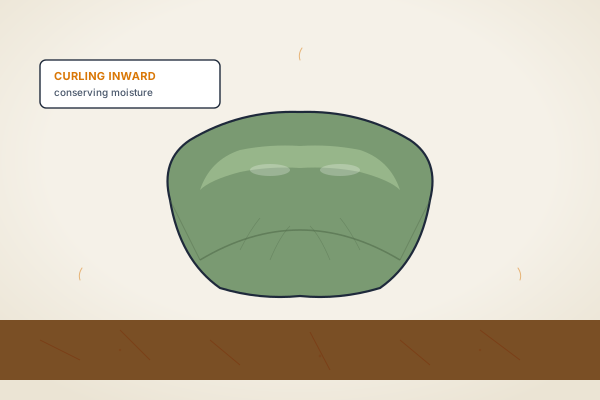
Leaf curls into a tube to reduce surface area. Underwatering or heat. How to fix it: Water thoroughly until it drains from the bottom. Leaves should begin to unfurl within a few hours. Establish a routine of checking soil moisture every few days.
-
Low humidity
Many tropical houseplants; calatheas, ferns, alocasias, and marantas; curl when indoor humidity drops below 40%. This is especially common during winter heating season when forced air dries out the environment. Leaf edges may also turn brown and crispy.
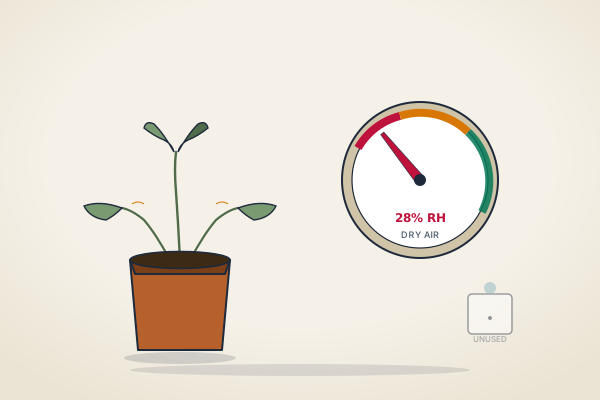
Dry air below 40% RH pulls leaf moisture out faster than roots replace it. How to fix it: Run a humidifier near your plants, group them together to create a micro-humidity zone, or place pots on a pebble tray filled with water. Aim for 50–60% humidity for tropical species.
-
Too much direct light
Intense direct sunlight can cause leaves to curl downward or develop crispy, bleached edges as the plant tries to reduce sun exposure. This is especially common when plants are moved suddenly from low light to a bright window.
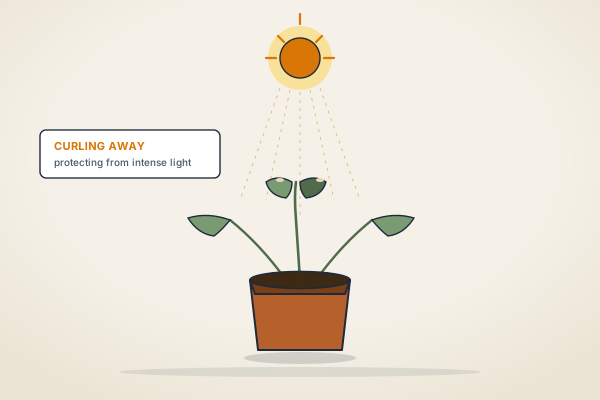
Leaves curl away from intense light as a protective response. How to fix it: Move the plant back from the window or filter light with a sheer curtain. If the plant needs to be in a bright spot, acclimate it gradually over 1–2 weeks.
-
Temperature stress
Cold drafts from windows, blasts of hot air from heating vents, or sudden temperature swings can cause leaf curling. Most houseplants prefer stable temperatures between 60–80°F (15–27°C) and react badly to extremes in either direction.
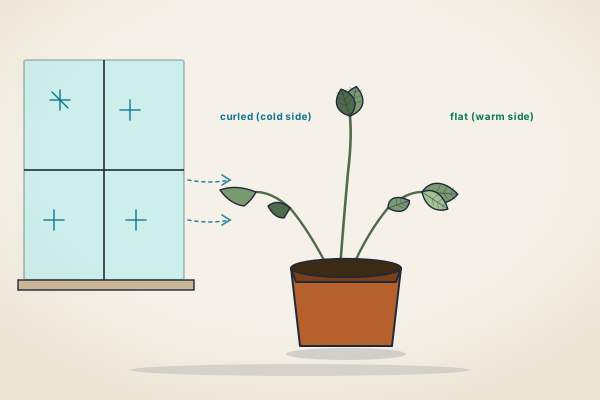
Window-side leaves curl, room-side leaves stay flat. How to fix it: Relocate the plant away from drafts, vents, radiators, and exterior doors. Avoid placing plants near single-pane windows in winter where temperatures can drop significantly.
-
Pests (aphids, thrips, spider mites)
Sap-sucking pests feed on plant tissue, causing leaves to curl, distort, and develop stippled or mottled patterns. Aphids cluster on new growth, thrips leave silvery streaks, and spider mites create fine webbing on leaf undersides.
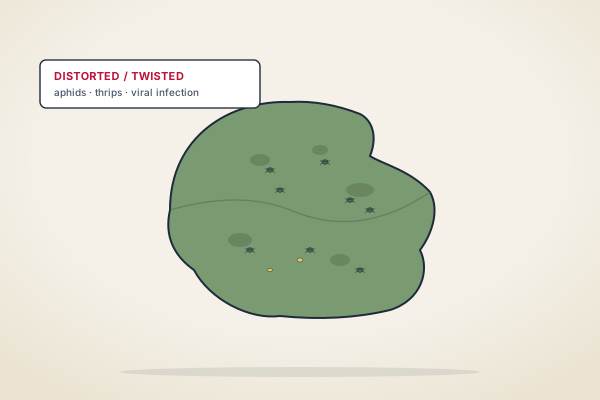
Twisted, bumpy growth + tiny insects = aphids, thrips, or viral infection. How to fix it: Inspect leaf undersides carefully. Treat with insecticidal soap or neem oil spray, covering both sides of leaves. Isolate affected plants and repeat treatment every 5–7 days for 2–3 weeks.
-
Overwatering and root problems
While less common than underwatering, severely overwatered plants can also curl as damaged roots fail to deliver water to leaves. The curling looks similar to underwatering, but the soil will be soggy rather than dry. A musty smell or yellow lower leaves alongside curling suggests root issues.
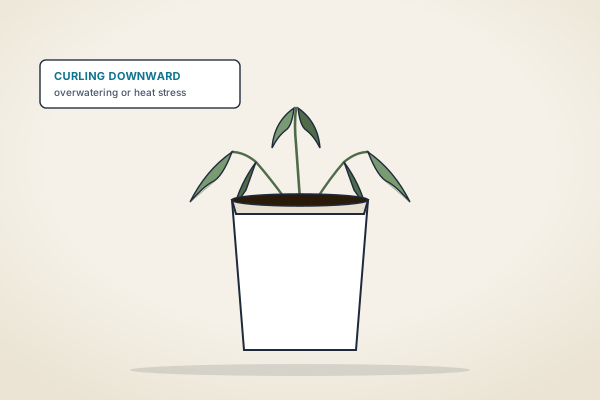
Leaves curling sharply down = overwatering or heat stress. How to fix it: Stop watering and let the soil dry. If root rot is suspected, unpot and inspect; trim any mushy brown roots and repot in fresh, well-draining soil.
-
Overfertilizing (salt buildup)
Too much fertilizer causes salt to accumulate in the soil, burning roots and causing leaf tips to curl and brown. You may see a white crusty deposit on the soil surface or pot rim. This is more common with synthetic fertilizers used at full strength.
How to fix it: Flush the soil by running water through the pot for several minutes to leach out excess salts. Reduce fertilizer frequency and always dilute to half-strength.
-
Transplant or environmental shock
Plants recently moved to a new location, repotted, or brought home from a nursery may curl temporarily as they adjust to different light, temperature, and humidity conditions. This is a stress response and usually resolves on its own.
How to fix it: Place in a stable spot with indirect light, keep soil lightly moist, and avoid fertilizing for 2–3 weeks. Most plants adjust within 1–2 weeks.
Leaf Curling Direction & Likely Cause
The direction your leaves curl can help narrow down the problem:
| Curl Direction | Common Causes | First Thing to Check |
|---|---|---|
| Inward (edges roll up) | Underwatering, low humidity | Soil moisture and room humidity |
| Downward (tips droop) | Heat stress, too much light, overfertilizing | Distance from light source and temperature |
| Upward (cupping) | Light deficiency, cold stress | Light levels and temperature |
| Twisted or distorted | Pest damage (aphids, thrips) | Leaf undersides for insects |
| Edges crispy + curling | Low humidity, underwatering | Humidity levels and watering schedule |
| Random curling + yellowing | Root rot, overwatering | Soil moisture and root health |
Frequently Asked Questions
- Can curling leaves uncurl?
- Yes; once you fix the underlying issue (usually watering or humidity), most leaves will unfurl within a few days. Severely damaged leaves may not fully recover.
- Why are my leaves curling and turning brown?
- This combination usually indicates underwatering or very low humidity. The plant is losing moisture faster than it can replace it. Increase watering and humidity.
- Do pests cause leaves to curl?
- Yes; aphids, thrips, and spider mites can cause leaf curling and distortion. Always check leaf undersides for tiny insects, webbing, or sticky residue.
- Why do my calathea leaves curl at night?
- Calatheas naturally fold their leaves upward at night (nyctinasty); this is normal behavior, not a problem. If they stay curled during the day, check humidity and soil moisture.
- Does the direction of curling matter?
- Yes; inward curling usually means moisture stress (underwatering or low humidity). Downward curling often indicates heat, light, or nutrient issues. Distorted curling suggests pests.
The Bottom Line on Leaf Curling
Leaf curling is your plant's stress response, not a death sentence. The direction of the curl is your biggest diagnostic clue. Start by checking soil moisture and humidity levels, then investigate light, temperature, and pests. Most plants bounce back within a week once the cause is addressed.
Not sure what's wrong?
Premium includes AI photo diagnosis, then walks you through the fix and checks back in until it's better.
See Premium →Get Personalized Plant Care Advice
PlantCareAI uses your location and local weather to give you advice tailored to your exact situation. No signup required to try.
Try the AI Plant Doctor