
Winter Plant Care: How to Keep Houseplants Alive in Cold Months
By Ellen Hermance · PlantCareAI Editorial
Winter is the trickiest season for houseplants. The days are shorter, the air is drier, and your well-intentioned watering schedule from summer can suddenly become a death sentence. Most houseplants are tropical species that have never experienced a real winter in their evolutionary history; they're adapted to consistent warmth, humidity, and 12+ hours of daily light. When your home turns into a dim, dry, overheated box for four months, your plants feel it. The good news? A few simple adjustments are all it takes to get every plant through winter safely. Here's what changes and what to do about it. (If you're in the southern hemisphere, these tips apply to your June–August period instead.)
Quick Answer: In winter, water houseplants roughly half as often as summer, stop fertilizing, increase humidity to counteract dry heating, and move plants closer to your brightest windows. Avoid cold drafts and heating vents. Most plants naturally slow or stop growing in winter; this is normal, not a problem to fix.
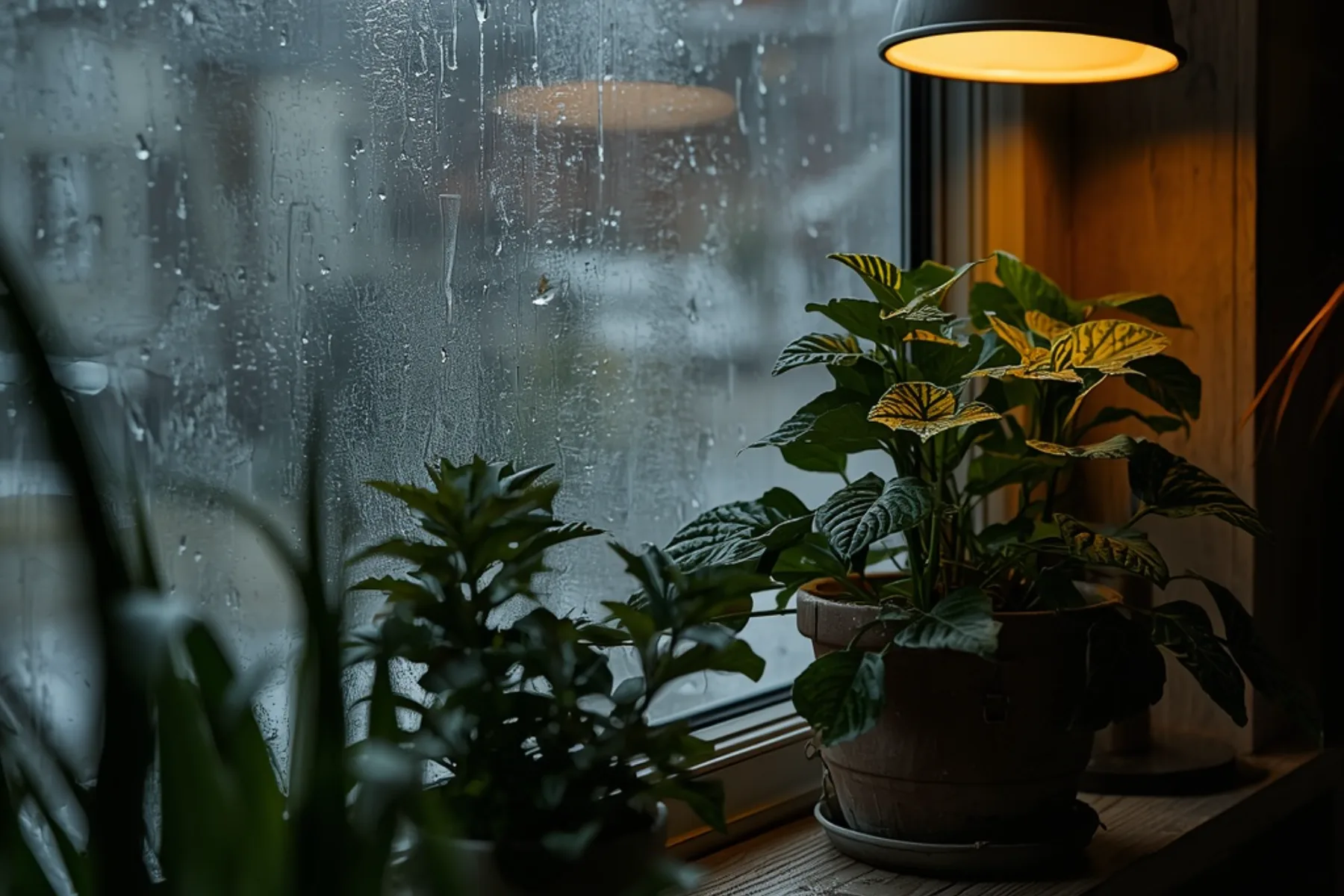
Essential Winter Plant Care Tips
-
Reduce your watering frequency
This is the single most important winter adjustment. Plants grow slowly or go fully dormant in winter, which means they use far less water. Soil also dries more slowly because there's less light driving photosynthesis and transpiration. The potting mix that dried out in five days during July might stay moist for two weeks in January. Overwatering in winter is the number one killer of houseplants because soggy soil plus cool temperatures creates the perfect environment for root rot; the roots sit in cold, wet conditions with no growth activity to use up the moisture.
How to fix it: Always check the soil before watering; stick your finger 2 inches deep. If it's still moist, wait. Most tropical houseplants need watering roughly half as often in winter compared to summer. Succulents and cacti may need water only once a month or even less. When you do water, still water thoroughly until it drains, but then let the soil dry out more between sessions.
-
Increase indoor humidity
Central heating is brutal on houseplants. Furnaces and radiators can drop indoor humidity to 20–30%, which is drier than the Sahara Desert. Most tropical houseplants evolved in environments with 60–80% humidity. When humidity crashes, you'll see brown leaf tips, crispy edges, curling leaves, and increased spider mite activity. Thin-leaved plants like calatheas, ferns, and prayer plants suffer the most, but even hardy pothos and philodendrons can show stress at very low humidity levels.
How to fix it: Run a humidifier near your plant collection; this is the most effective solution by far. Grouping plants together creates a microclimate with slightly higher humidity as they transpire. Pebble trays (a tray of pebbles with water below the pot) add a small amount of local moisture. Avoid misting; it raises humidity for only a few minutes and can promote fungal issues on wet leaves in cool conditions.
-
Maximize available light
Winter days are dramatically shorter and the sun sits at a lower angle, which means your plants receive a fraction of their summer light levels. A south-facing window that provided bright indirect light in June may deliver only moderate light in December. North-facing windows may get almost no useful light at all. Low light slows growth, can cause leggy stretching as plants reach toward the window, and reduces the plant's overall energy reserves for surviving winter.
How to fix it: Move plants closer to your brightest windows for winter; a spot that was too sunny in summer might be perfect now. Clean windows inside and out to maximize light transmission (dirty glass can block 20–40% of light). Rotate plants weekly so all sides get light. If your home is genuinely dark, consider a grow light on a timer set for 12–14 hours. Even inexpensive LED grow bulbs in a desk lamp make a meaningful difference.
-
Protect plants from cold drafts and windows
While your plants want to be near windows for light, the glass itself can be dangerously cold. Single-pane windows in older homes can create a zone of near-freezing air within a few inches of the glass. Drafts from doors, poorly sealed windows, and mail slots can blast tropical plants with cold air. Even brief exposure below 50°F (10°C) can damage warm-weather species like fiddle leaf figs, calatheas, and rubber plants. Frost damage appears as dark, water-soaked patches on leaves that later turn brown and papery.
How to fix it: Keep plants at least 6 inches away from cold window glass; close enough for light, but far enough to avoid the cold zone. Move plants away from exterior doors and drafty windows. If you need to transport plants (buying new ones in winter, moving between rooms), wrap them in paper or plastic bags for protection. Check temperatures near your plant shelves with a thermometer; you might be surprised how cold windowsills get overnight.
-
Stop fertilizing during dormancy
Most houseplants slow or stop growing entirely in winter, which means they can't use the nutrients in fertilizer. Applying fertilizer to a dormant plant is like serving a full meal to someone who's sleeping; the unused salts accumulate in the soil, burn delicate root tips, and can cause leaf browning and overall decline. This is called fertilizer burn, and it's especially damaging in winter when the plant has limited energy to recover.
How to fix it: Stop all fertilizing from November through February for most houseplants. Resume at half strength in early spring when you see new growth appearing. The only exception is plants that actively bloom in winter (like Christmas cactus or African violets), which can receive diluted fertilizer while flowering. When you resume in spring, flush the soil first with plain water to wash out any accumulated salts.
-
Watch for heating vent damage
Hot, dry air blasting from floor vents, radiators, or baseboard heaters is devastating for plants placed nearby. The hot air desiccates leaves rapidly, creates extreme temperature swings between heating cycles, and drops humidity to critical levels directly around the plant. You'll see one-sided leaf browning (the side facing the heat source), rapid soil drying, and overall stress. Plants near heating vents often look worse than plants in cooler corners.
How to fix it: Survey your home for heat sources and ensure no plants are in the direct blast zone of any vent, radiator, or space heater. A good rule is at least 3 feet of clearance. If you can't move the plant, use a vent deflector to redirect airflow away from it. Also check that floor-level plants aren't sitting above radiant floor heating, which can cook roots from below.
-
Skip repotting until spring
Winter is the worst time to repot houseplants. The combination of low light, reduced growth, and cool temperatures means the plant has minimal energy to recover from root disturbance. Repotting involves breaking and damaging fine root hairs that absorb water and nutrients; during the growing season, these regenerate quickly, but in winter the plant may sit in shock for weeks. Fresh potting soil that stays wet longer (because the plant isn't actively growing) further increases the risk of root rot.
How to fix it: Wait until early spring (March–April) when days are lengthening and new growth is starting. The one exception is if a plant is severely root-bound and suffering; water running straight through without soaking in, or the plant tipping over from being top-heavy. In that case, gently move to a slightly larger pot with minimal root disturbance, and keep conditions warm and bright to help recovery.
-
Monitor for winter pest outbreaks
Spider mites, mealybugs, and scale insects thrive in winter's dry indoor conditions. Spider mites in particular explode in dry, warm environments; you may not notice them until you see fine webbing between leaves or a general dusty, unhealthy appearance. Mealybugs and scale can also become more visible in winter as they feed on stressed plants. Bringing outdoor plants inside for winter can also introduce pests to your indoor collection if you don't inspect and quarantine them first.
How to fix it: Inspect plants regularly; check leaf undersides, stem joints, and the soil surface. Spider mites leave tiny specks and webbing; mealybugs appear as white cottony clusters; scale looks like small brown bumps on stems. Increasing humidity helps deter spider mites specifically. Treat infestations promptly with insecticidal soap, neem oil, or rubbing alcohol. Isolate affected plants immediately to prevent spread.
-
Accept slower growth as normal
Many plant parents worry when their plants stop producing new leaves in winter. This is completely normal and healthy; it's not a sign that something is wrong. Most tropical houseplants naturally slow down when light decreases, even if temperatures remain warm. Some plants like pothos and philodendrons may produce occasional small leaves, while others like calatheas and alocasias may stop growing entirely and even drop older leaves to conserve energy.
How to fix it: Resist the urge to "fix" normal dormancy by adding more fertilizer, increasing watering, or moving plants around frequently. The best thing you can do is maintain stable conditions and wait for spring. New growth will resume naturally as daylight increases in March and April. Use this quieter season to plan spring repotting, organize your plant collection, and research any new species you want to add.
Winter vs. Summer Plant Care at a Glance
Here's how your houseplant care routine should shift between the warmest and coldest months:
| Care Task | Winter | Summer |
|---|---|---|
| Watering frequency | Every 10–14 days (check soil first) | Every 5–7 days (check soil first) |
| Fertilizing | None; plants are dormant | Every 2–4 weeks at full strength |
| Humidity | Increase; use humidifier, group plants | Usually adequate naturally |
| Light needs | Move closer to brightest windows | May need protection from harsh direct sun |
| Expected growth | Slow to none; this is normal | Active growth and new leaves |
| Repotting | Avoid unless emergency | Ideal time; spring through early summer |
Frequently Asked Questions
- Should I water my houseplants less in winter?
- Yes; most houseplants need roughly half the water in winter compared to summer. Growth slows, light decreases, and soil stays moist longer. Always check soil moisture before watering rather than following a fixed schedule.
- Why are my plant leaves turning brown at the tips in winter?
- Brown leaf tips in winter are almost always caused by low humidity from indoor heating. Central heating can drop humidity to 20–30%, far below what tropical plants prefer. Run a humidifier or group plants together to raise local humidity.
- Can houseplants survive near a cold window?
- Plants need to be near windows for light, but keep them at least 6 inches from the glass to avoid cold damage. Single-pane windows can create near-freezing temperatures at the glass surface, which can harm tropical plants.
- Should I fertilize houseplants in winter?
- No; stop fertilizing from November through February for most houseplants. Dormant plants can't use the nutrients, and unused salts accumulate in soil, potentially burning roots. Resume at half strength in early spring when new growth appears.
- Is it normal for plants to stop growing in winter?
- Yes, completely normal. Most tropical houseplants slow or stop growing when light levels drop in winter. Some may even drop older leaves. Don't try to force growth with extra fertilizer, just maintain stable conditions and wait for spring.
The Bottom Line on Winter Plant Care
Winter plant care comes down to one principle: less is more. Water less, fertilize not at all, and resist the urge to fuss. Your plants are resting, and the best thing you can do is provide stable conditions (adequate light, reasonable humidity, protection from cold drafts and heating vents) and let them ride it out. The biggest winter plant killer isn't cold temperatures; it's overwatering a dormant plant. Master that one adjustment and you'll get through the season with every plant intact.
Get Personalized Plant Care Advice
PlantCareAI uses your location and local weather to give you advice tailored to your exact situation. No signup required to try.
Try the AI Plant Doctor