
White Mold on Plant Soil: Causes, Safety, and Fixes
By Ellen Hermance · PlantCareAI Editorial
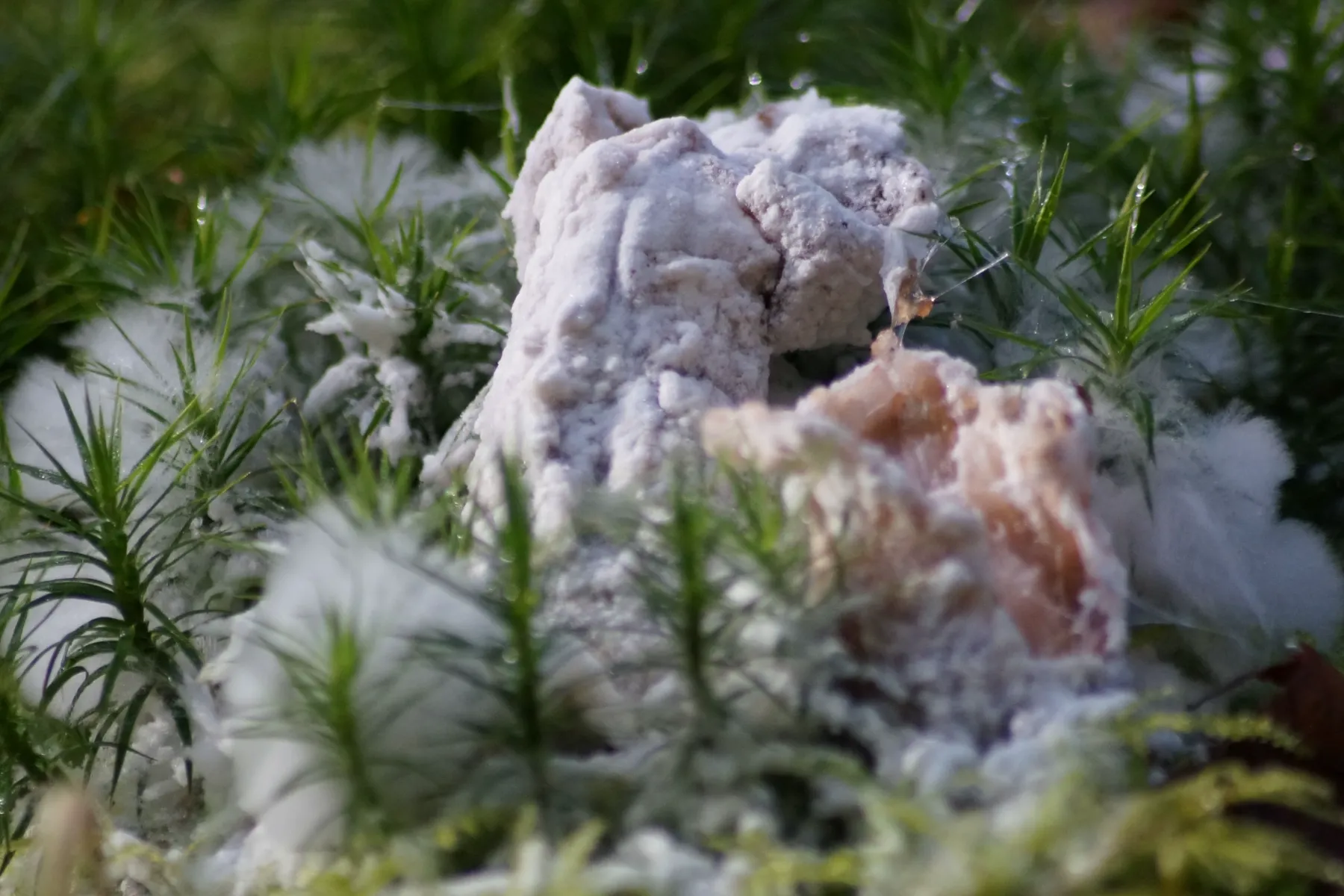
White fluffy or powdery mold on the surface of houseplant soil is alarming but usually harmless to the plant itself. It's typically saprophytic fungi; organisms that break down organic matter in the soil rather than attacking plant tissue. However, white mold is a reliable indicator that conditions in the pot are too moist, which does create risk for root rot if left uncorrected.
Quick Answer: The white mold itself won't kill your plant, but it signals overwatering or poor air circulation. Scrape off the surface mold, allow the soil to dry out between waterings, improve air circulation, and reduce the organic matter in the top layer of soil. If mold returns repeatedly, consider repotting with fresh, well-draining mix.
Common Causes
-
Overwatering and consistently moist soil
The most common cause of white mold. Saprophytic fungi thrive in consistently moist, organic material. A plant watered before the soil has dried adequately provides ideal mold conditions.
How to fix it: Let the top 1–2 inches of soil dry out between waterings for most plants. Check moisture with your finger before watering, not on a schedule. The mold will not return if the soil surface dries periodically.
-
Poor drainage or waterlogged soil
Soil that stays wet because it doesn't drain properly; either from compaction, a pot without drainage holes, or a tray that retains water; creates persistently moist conditions that favor mold.
How to fix it: Ensure the pot has drainage holes. Empty the drainage tray within 30 minutes of watering. If the soil is compacted, consider repotting with a well-draining mix containing perlite.
-
Low air circulation
Still air around the soil surface allows moisture to persist and mold spores to settle and germinate. Plants packed tightly together or in enclosed spaces are more susceptible.
How to fix it: Improve air circulation around plants; a small fan on low setting improves conditions dramatically. Space plants apart to allow airflow between them.
-
Organic top dressing (bark, moss, compost)
Bark mulch, sphagnum moss, or compost used as a top dressing provides organic material for saprophytic fungi to colonize. This is especially common with moss-topped terrariums.
How to fix it: Remove the organic top dressing and replace with inorganic material (perlite, gravel, or horticultural grit) if mold is persistent. Inorganic top dressings don't support saprophytic fungal growth.
-
Low light conditions
Plants in low-light positions dry out more slowly. Combined with regular watering, this keeps the soil consistently moist enough for mold growth.
How to fix it: Move plants to brighter locations where the soil can dry more effectively between waterings. Reduce watering frequency for low-light plants; they need significantly less water than plants in bright light.
-
Rich, peaty potting mixes
Dense, peat-heavy mixes stay moist longer and have more organic matter for saprophytic fungi to consume. Standard potting mixes with added organic amendments are more susceptible than gritty, free-draining mixes.
How to fix it: For recurring mold, amend the top layer of soil with perlite or coarse grit to improve surface drainage. At next repotting, choose a less dense mix.
| Issue | White Surface Mold | Root Rot |
|---|---|---|
| Location | Soil surface only | Root zone (below soil) |
| Appearance | White, fluffy, or powdery coating | Brown/black mushy roots, soil smell |
| Harm to plant | Usually none directly | Fatal if untreated |
| Cause | Overwatering + organic matter + low airflow | Overwatering + poor drainage |
| Fix | Scrape, dry out, improve airflow | Remove rotten roots, repot, reduce watering |
| Signal | Conditions too moist; monitor | Emergency; act immediately |
Frequently Asked Questions
- Is white mold on plant soil harmful to my plant?
- Usually not directly. Saprophytic mold lives on organic matter in the soil, not on the plant roots. However, it signals conditions that ARE risky; consistently moist soil is the same environment that causes root rot. Treat the underlying cause (overwatering, poor drainage, low airflow) rather than just the mold itself.
- Is white mold on plant soil harmful to humans?
- For most healthy adults, brief exposure to saprophytic soil mold is harmless. People with compromised immune systems, mold allergies, or respiratory conditions should avoid disturbing moldy soil without a mask and gloves. Wash hands after handling.
- How do I remove white mold from plant soil?
- Scrape off the affected surface layer (top 1–2 cm) with a spoon. Dispose of it in the trash; don't compost it. Allow the remaining soil to dry completely before watering again. Sprinkle a thin layer of perlite or cinnamon on the surface (cinnamon has mild antifungal properties) to deter regrowth.
- Does cinnamon kill mold on plant soil?
- Cinnamon has mild antifungal properties and is often recommended as a natural soil mold deterrent. Sprinkle a thin layer of ground cinnamon on the soil surface after removing the mold. It doesn't eliminate the cause (overwatering) but can reduce surface mold regrowth.
- Why does my plant keep getting white mold?
- Recurring mold means the underlying conditions haven't changed, usually overwatering, poor drainage, or low airflow. If you've addressed all three and mold persists, consider repotting with a fresher, less dense mix and replacing the organic top dressing with perlite or gravel.
The Bottom Line
Get Personalized Plant Care Advice
PlantCareAI uses your location and local weather to give you advice tailored to your exact situation. No signup required to try.
Try the AI Plant Doctor