
Fast-Growing Indoor Plants: 8 Species That Show Progress Quickly
By Ellen Hermance · PlantCareAI Editorial
Some houseplants seem to do nothing for months. Others push out a new leaf every week or two, which is the kind of visible progress that makes plant care feel rewarding. If you want plants that grow fast enough to notice, these are the species to choose. Most of the fastest growers are also among the easiest to care for.
Quick Answer: The fastest-growing houseplants are pothos, tradescantia, and heartleaf philodendron: in bright indirect light they push out a new leaf every week or two and add 12 to 18 inches a month in season. Monstera and spider plant are a little slower but still obvious. Three things speed any of them up more than the species you pick: more light, consistent watering, and monthly fertilizer from spring through summer. Almost any plant that seems not to grow is sitting in a corner that is too dark.
Fastest-Growing Indoor Plants
-
Pothos
Pothos is probably the fastest-growing common houseplant under indoor conditions. In ideal conditions (bright indirect light, consistent moisture, monthly fertilizing during growing season) it can put out 2-3 new leaves per week and grow 12-18 inches per month. It can be trained up a moss pole or left to trail.
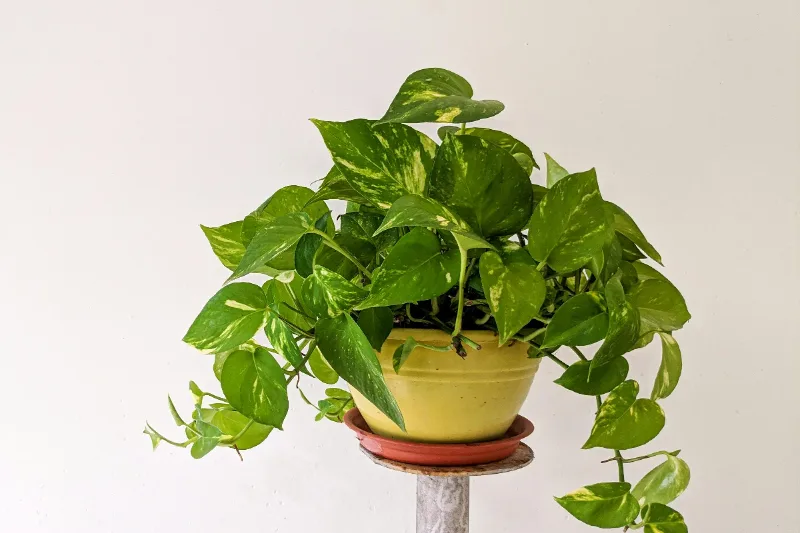
Pothos can grow several inches per week in good conditions. Photo: Nithin Nath on Pexels How to grow it: Give it the brightest indirect light you can. Water consistently and fertilize monthly from spring through summer with a balanced liquid fertilizer. Prune long vines to redirect energy to new growth.
-
Tradescantia
Tradescantia (inch plant or spiderwort) earned its common name from the observation that it seems to grow an inch per day. It is one of the fastest trailing plants available, and stems left in water propagate in a matter of days. The trade-off is that it gets leggy if not pinched regularly.
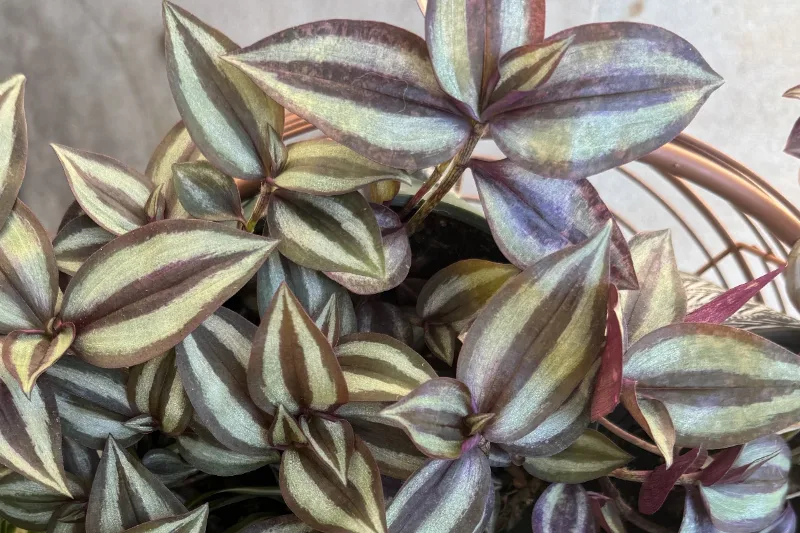
Tradescantia grows so fast it needs regular trimming. Photo: Ellen Hermance How to grow it: Provide bright indirect light for the fastest growth and best leaf color. Water when the top inch of soil is dry. Pinch back tips every few weeks to encourage bushy, vigorous growth.
-
Heartleaf Philodendron
Heartleaf philodendrons grow quickly in medium to bright indirect light, often producing a new leaf every 1-2 weeks during the growing season. They can be trained up a moss pole (which encourages larger leaves) or left to trail. They are also some of the easiest plants to propagate; any stem cutting with a node roots readily.

Heartleaf philodendron puts out new leaves quickly in bright indirect light. Photo: Sasha Kim on Pexels How to grow it: Water when the top 2 inches of soil are dry. Fertilize monthly in spring and summer. Insert a moss pole and mist it regularly if you want the plant to climb and produce larger leaves.
-
Monstera deliciosa
Monsteras are one of the fastest large-leaf tropical plants for indoors. Under good conditions, they can unfurl a new leaf every 2-4 weeks during spring and summer, with leaves getting progressively larger and more fenestrated (developed splits and holes) as the plant matures. Young plants have small, solid leaves; the iconic splits appear as the plant grows.
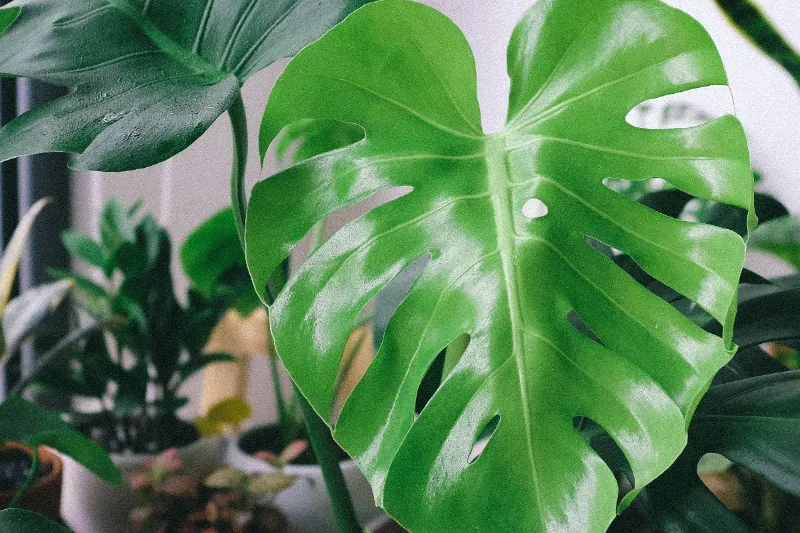
Monstera produces large new leaves every few weeks in summer. Photo: Huy Phan on Pexels How to grow it: Provide bright indirect light and a moss pole to climb. Water when the top 2-3 inches of soil are dry. Fertilize monthly during the growing season. The faster the growth, the larger and more fenestrated the leaves become.
-
Spider Plant (Chlorophytum comosum)
Spider plants grow quickly in a wide range of light conditions and produce long arching stems called stolons that develop small plantlets (spiderettes) at their tips. A well-established plant can produce dozens of spiderettes per year, making it one of the most prolific propagators in the houseplant world.
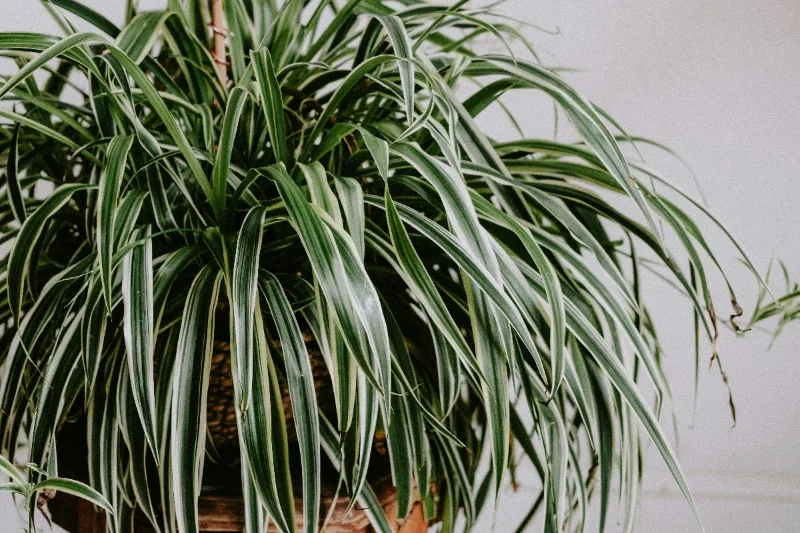
Spider plants quickly produce cascading offshoots. Photo: Mathias Reding on Pexels How to grow it: Place in bright to medium indirect light. Water when the top inch of soil feels dry. Once spiderettes develop roots, cut them from the stolon and pot in moist potting mix.
-
Aloe Vera
Aloe vera grows faster than most people expect, producing new leaves from the center and eventually offsetting (producing baby plants around the base called pups). In bright indirect light with good drainage, it pushes a new leaf every few weeks in summer. The pups can be separated and potted once they have their own roots.
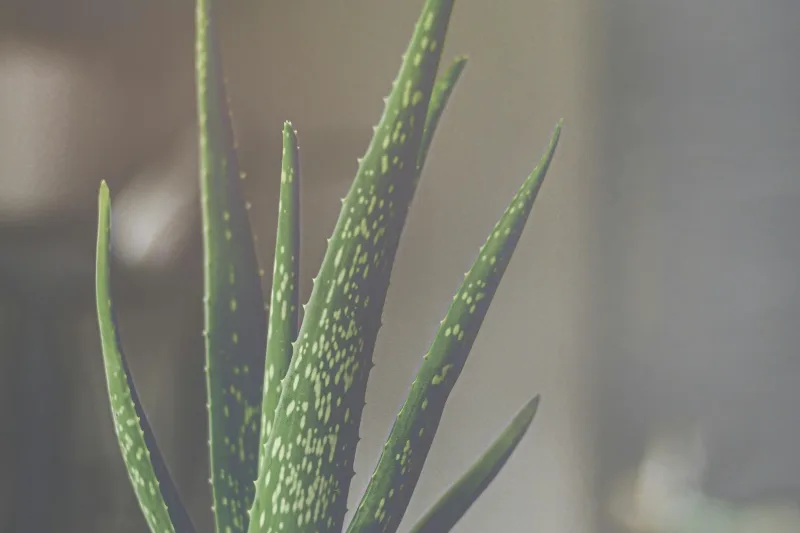
Aloe grows steadily with minimal water and bright light. Photo: monicore on Pexels How to grow it: Place in bright indirect to gentle direct light. Water only when the soil is completely dry. Aloe grows fastest in summer; reduce watering significantly in winter when growth slows.
-
Pilea peperomioides
Pilea peperomioides, also called the Chinese money plant or pancake plant, is a surprisingly fast grower that offsets prolifically. A healthy plant in bright indirect light will produce multiple pups around its base each growing season, letting you quickly expand your collection or share plants with friends.
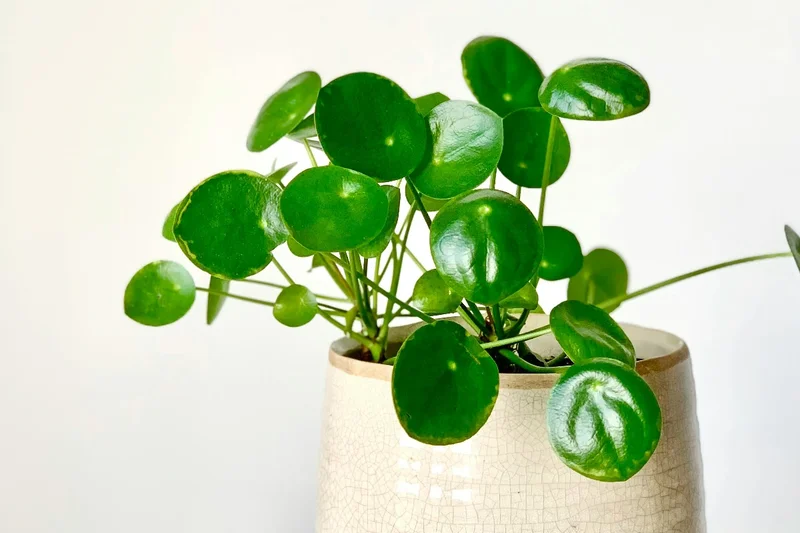
Pilea pups quickly, letting you grow your collection fast. Photo: Kulbir on Pexels How to grow it: Give it bright indirect light and water when the top inch of soil is dry. Rotate the pot weekly so it grows evenly rather than leaning toward the light. Separate pups once they are a few inches tall.
-
Snake Plant
Snake plants grow slowly compared to the others on this list, but they are worth mentioning because their growth rate in good conditions surprises many owners who have only seen neglected specimens. In bright indirect light with monthly fertilizing, they can push out 2-4 new leaves per growing season and gradually produce offsets.
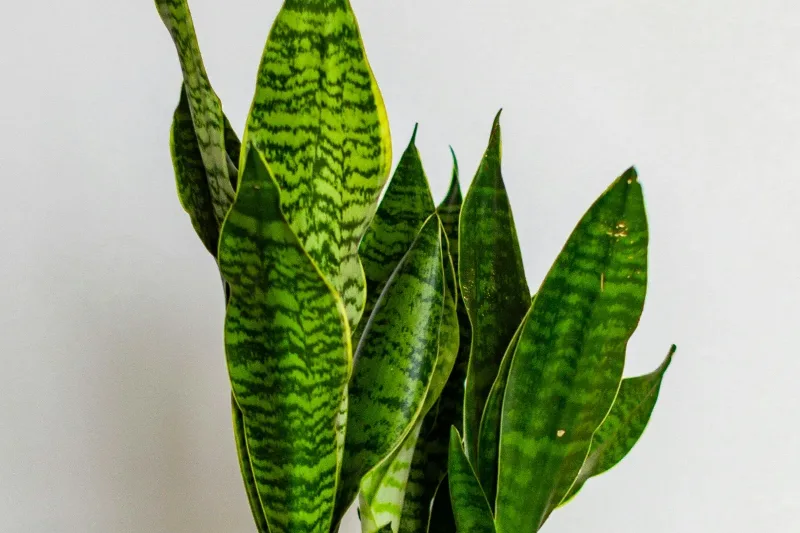
Snake plants grow slowly but steadily, even in low light. Photo: Jardin De Neko on Pexels How to grow it: For faster growth, move to the brightest indirect light available and fertilize monthly in spring and summer. Do not overwater; soggy soil is the main growth inhibitor. Repot every 2-3 years to refresh the soil.
How fast each one actually grows
Rates are for the growing season, spring through summer, in bright indirect light. Nearly all of these slow or stop in winter, which is not a problem to solve.
| Plant | Growth in season | What speeds it up | How it propagates |
|---|---|---|---|
| Pothos | 2 to 3 leaves a week | Bright indirect light | Cuttings in water |
| Tradescantia | About an inch a day | Bright light and pinching back | Cuttings in water |
| Heartleaf philodendron | 1 leaf every 1 to 2 weeks | A moss pole | Cuttings in water |
| Monstera deliciosa | 1 leaf every 2 to 4 weeks | A moss pole and room to root | Cutting with a node |
| Spider plant | Dozens of spiderettes a year | Medium to bright light | Rooted spiderettes |
| Pilea peperomioides | Several pups a season | Bright light and a weekly turn | Pups from the base |
| Aloe vera | New leaves from the center | Gentle sun and little water | Pups from the base |
| Snake plant | 2 to 4 leaves a season | Bright light and monthly feeding | Division |
Frequently Asked Questions
- What is the fastest-growing houseplant?
- Pothos, by a clear margin. In bright indirect light it can put out 2 or 3 leaves a week and add 12 to 18 inches a month through spring and summer. The same pothos in a dark corner grows a fraction of that, so the number depends far more on where you put it than on the species.
- How do I make my plant grow faster?
- In this order, because the order matters: more light first, since that is what limits nearly every houseplant; then consistent watering, neither bone dry between waterings nor waterlogged; then monthly diluted fertilizer from spring through summer; and only then a bigger pot. Fertilizing a plant that is sitting in the dark does not speed it up, it just builds salts in the soil.
- Is it bad if a plant grows too fast?
- No, but it changes the care. A fast grower drinks more, feeds more, outgrows its pot in a season or two, and needs pruning to stay in shape. What is a genuine warning sign is long, pale growth with wide gaps between the leaves. That is not speed, that is a plant reaching for light it is not getting.
- Why did my plant stop growing in winter?
- Fewer daylight hours and weaker light, so most houseplants go dormant. That is normal and does not need fixing. What does need adjusting is the care: water considerably less, because the soil now takes longer to dry, and stop fertilizing until spring. Pushing water and feed through a dormant winter is one of the most common ways to rot roots.
- Does fertilizer make plants grow faster?
- Only if light and water are already right. Fertilizer replaces what the plant consumes, it does not create growth on its own. Use a balanced liquid feed at half the strength on the label, once a month from spring through summer. Too much burns roots and leaves a white crust on the surface of the soil.
- How long does a cutting take to root?
- Pothos and tradescantia root in water in one to two weeks. Philodendron takes two to three. Wait until the roots are an inch or two long before potting: shorter than that and the cutting struggles with the move, much longer and it adapts poorly to soil, because water roots and soil roots are not the same thing.
The Bottom Line on Fast-Growing Plants
If you want visible growth within weeks, pothos, tradescantia, or a heartleaf philodendron are your best bets. For something more structural, monstera and bamboo grow faster than most people expect given adequate light. Remember that faster growth also means faster water and nutrient demand, so check soil more frequently in peak season.
Get Personalized Plant Care Advice
PlantCareAI uses your location and local weather to give you advice tailored to your exact situation. No signup required to try.
Try the AI Plant Doctor