
Plant Gift Guide: The Best Plants to Give (and How to Choose the Right One)
By Ellen Hermance · PlantCareAI Editorial
A living plant is one of the most personal and lasting gifts you can give, far more so than cut flowers, which last a week at best. The key is matching the plant to the recipient: their experience level, home conditions, and how much time they want to spend on care. This guide makes that matching easy.
Quick Answer: If you are not sure what plant to give, a pothos or snake plant in a nice pot is almost always right: both survive a beginner and neither needs special light. For someone with a bright window who wants something bold, a young monstera or bird of paradise. For a dark room, a peace lily or ZZ plant. If there are cats or dogs in the house, choose a spider plant, calathea, or peperomia, none of which are toxic. Pair whichever you pick with a three-line care card, which is what separates a gift that survives from one that dies in a month.
Best Houseplants to Give as Gifts
-
For Beginners: Pothos or Snake Plant
If you do not know the recipient's experience level, pothos and snake plants are the safest choices. Both tolerate neglect, low light, irregular watering, and a wide range of temperatures. They look good for years with minimal effort and rarely die under normal household conditions.
What to give: Choose a golden pothos or a Sansevieria trifasciata (classic snake plant) in a 4-6 inch pot. Add a simple care card explaining the basics: water when dry, keep away from direct harsh sun, and forget about fertilizer for the first year.
-
For Someone Who Loves Statement Plants: Monstera or Bird of Paradise
If the recipient already has plants and wants something bold, a young monstera deliciosa or bird of paradise makes an impressive gift. Both grow into dramatic, large-leafed specimens over time. Even a small specimen in a 6-inch pot has visual impact immediately.
What to give: Choose a monstera or bird of paradise in a nicely finished pot. Include a care note: bright indirect light, water when the top 2-3 inches dry out, and patience; they grow slowly at first but accelerate once established.
-
For Someone with Low Light: Peace Lily or ZZ Plant
Many apartments and offices genuinely lack good natural light. A peace lily or ZZ plant will thrive where other plants struggle. The peace lily has the added bonus of flowering, making it feel like more of a celebration gift even in challenging conditions.
What to give: Pair a peace lily or ZZ plant with a decorative cache pot that matches the recipient's home decor. Include a note explaining their light tolerance; this often surprises recipients who assumed all plants need a sunny window.
-
For a Gardener or Experienced Plant Parent: Something Rare
An experienced plant lover likely already has the popular species. A rare or unusual variety, whether a variegated monstera cutting, a pink princess philodendron, an unusual hoya, or a hard-to-find alocasia, is a gift that will genuinely excite them.
What to give: Check specialty plant shops or online sellers for unusual specimens. Variegated plants, rare cultivars, and unique aroids command higher prices but make exceptional gifts for someone who will appreciate them. Include the full botanical name so they can research care.
-
A Plant and Pot Combo
A plant in a plain plastic nursery pot is a functional gift; a plant in a beautiful matching ceramic pot is a thoughtful one. Choosing a pot that complements the plant and the recipient's aesthetic shows an extra level of care. Terracotta is classic and practical; hand-painted ceramic is personal and unique.
What to give: Choose a pot 1-2 inches wider than the nursery pot, with a drainage hole. The plant can grow into it for a year or two. Avoid pots without drainage holes for beginner recipients; they make overwatering much more likely.
-
Gift Accessories: What Goes with a Plant
Plant accessories make a practical complement to a living plant. A small watering can, a moisture meter, a bag of quality potting mix, or a set of cute plant labels are all useful gifts that a plant lover will actually use.
What to give: For a beginner, include a moisture meter, which takes the guesswork out of knowing when to water and prevents both overwatering and underwatering. For an experienced grower, specialty items like a spray bottle for cuttings or a high-quality misting bottle are more likely to be new additions.
What to give, by who is receiving it
Pet safety follows the ASPCA toxicity listings. It is worth checking before you give a plant, because the person receiving it did not choose to take that risk.
| Who it is for | What to give | Why it works | Pet-safe? |
|---|---|---|---|
| Someone with no experience | Pothos or snake plant | They forgive neglect and low light | ❌ Toxic |
| A home with cats or dogs | Spider plant, calathea, or peperomia | Non-toxic per the ASPCA | ✅ Safe |
| A dark room or office | Peace lily or ZZ plant | They tolerate medium to low light | ❌ Toxic |
| Someone with a bright window | Young monstera or bird of paradise | They grow fast and show off | ❌ Toxic |
| An experienced collector | An unusual cutting or a hoya | They already own the easy species | ✅ Hoya is safe |
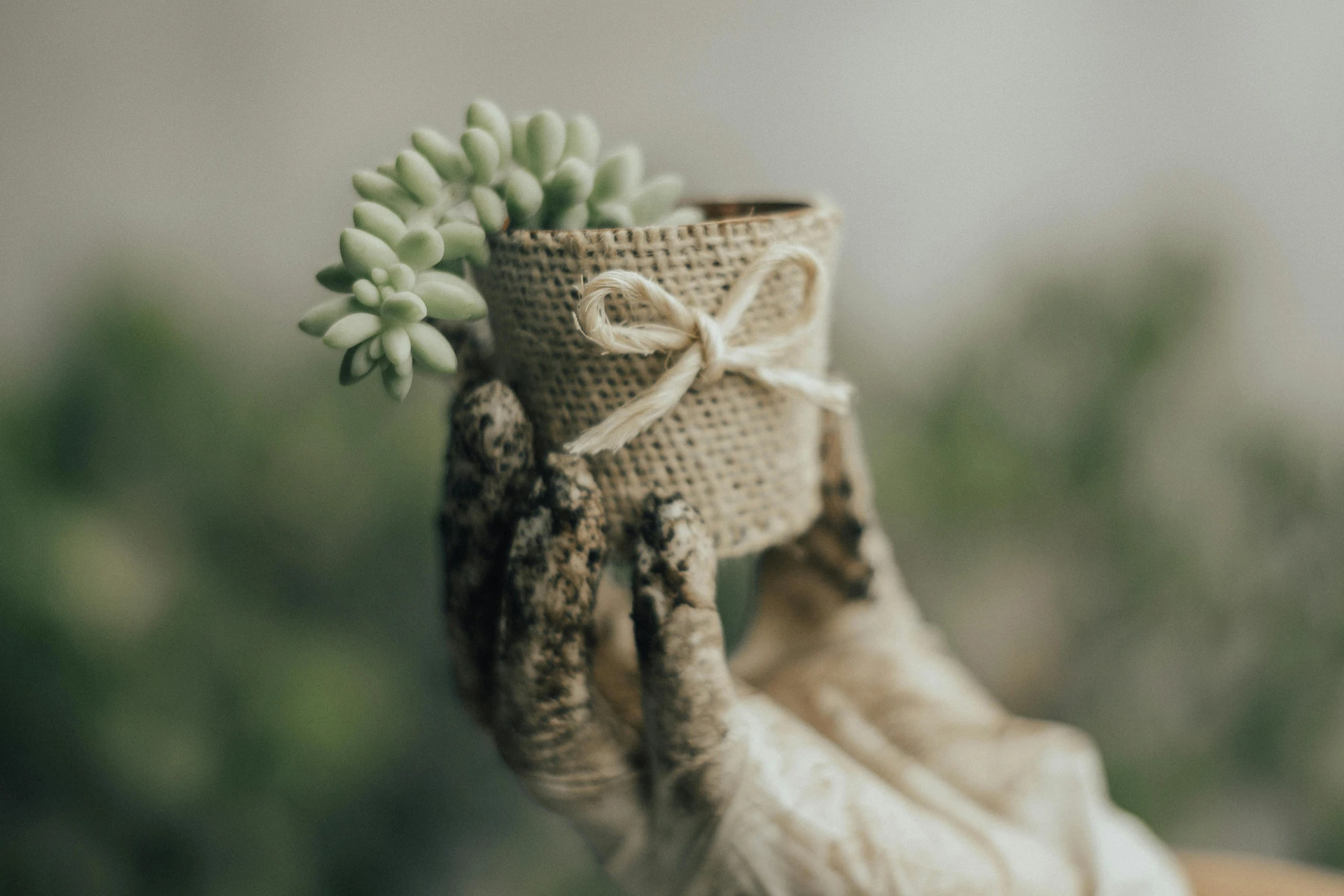
| Someone who travels often | Succulents or a mini cactus | They go weeks without water | ⚠️ Varies by species |
Frequently Asked Questions
- What is the best plant to give a beginner?
- A golden pothos or a snake plant in a 4 to 6 inch pot. Both handle low light, irregular watering, and temperature swings, which is exactly where a new plant owner runs into trouble. What makes the gift last is not the species but the card: with no instructions, the most common beginner response to a new plant is to water it too much.
- Which plants are safe to give a home with pets?
- Spider plant, calathea, peperomia, parlor palm, and prayer plant are all non-toxic per the ASPCA. Avoid exactly the ones most often given: pothos, snake plant, peace lily, monstera, and philodendron are toxic if eaten, and true lilies are dangerous to cats in very small amounts. If you do not know whether there are pets, giving from the safe list costs nothing.
- Can I give a plant in a pot with no drainage hole?
- Not to someone who is starting out. A pot with no hole turns any generous watering into root rot, and a beginner will not spot the signs in time. If the beautiful pot has no drainage, leave the plant in its plastic nursery pot inside it as a cache pot, and say so on the card: lift the inner pot out to water, let it drain, put it back.
- How do I wrap a plant as a gift?
- A kraft paper cone around the pot and a ribbon is enough, and leave the leaves exposed. Avoid sealed plastic, which sweats and spots the foliage within hours. Carry it upright with something bracing the base, and in winter do not leave it in the car: half an hour below freezing does more damage to a tropical plant than the rest of the trip combined.
- What should I write on the care card?
- Three lines will do: where to put it, when to water it, and what to avoid. For a pothos, that is: bright indirect light, any room with a window; water when the top two inches of soil are dry, roughly every ten days; and when in doubt wait, because it handles being thirsty far better than being soaked. That is worth more than the botanical name.
- Is a plant a good gift in winter?
- Yes, with care in transit. The damage to a winter plant gift usually happens between the shop and the front door rather than in the house: a few minutes below freezing marks the leaves of a tropical plant and the damage shows up days later. Wrap it for the walk and do not leave it in the car. Poinsettia and Christmas cactus are the seasonal classics and both are just as cold-sensitive.
The Bottom Line on Plant Gifts
The best plant gift matches the recipient, not your taste. For beginners, pothos and snake plants are nearly impossible to kill. For experienced plant parents, something less common like a hoya or oxalis is more exciting. When in doubt, pair any plant with a quality pot and a care card, and you have a gift that keeps growing.
Get Personalized Plant Care Advice
PlantCareAI uses your location and local weather to give you advice tailored to your exact situation. No signup required to try.
Try the AI Plant Doctor