
Best Plants for the Bathroom: 7 Species That Thrive in Humidity and Low Light
By Ellen Hermance · PlantCareAI Editorial
Bathrooms are genuinely good environments for certain houseplants: high humidity from showers, stable temperatures, and the naturally filtered light of a frosted or small window. The key is matching plant to conditions: most bathrooms are medium-low light, not bright. Here are the plants that genuinely thrive in these conditions.
Quick Answer: The best bathroom plants tolerate low light and appreciate humidity: Boston fern, pothos, peace lily, cast iron plant, Phalaenopsis orchid, air plants, and snake plant. If your bathroom has a window, the fern and the orchid make the most of shower steam. If it does not, stick to pothos, cast iron plant, or snake plant, which handle low light. Humidity helps but it does not replace light: nothing survives in a completely dark bathroom, so the first question is always how much light gets in, not how much steam.
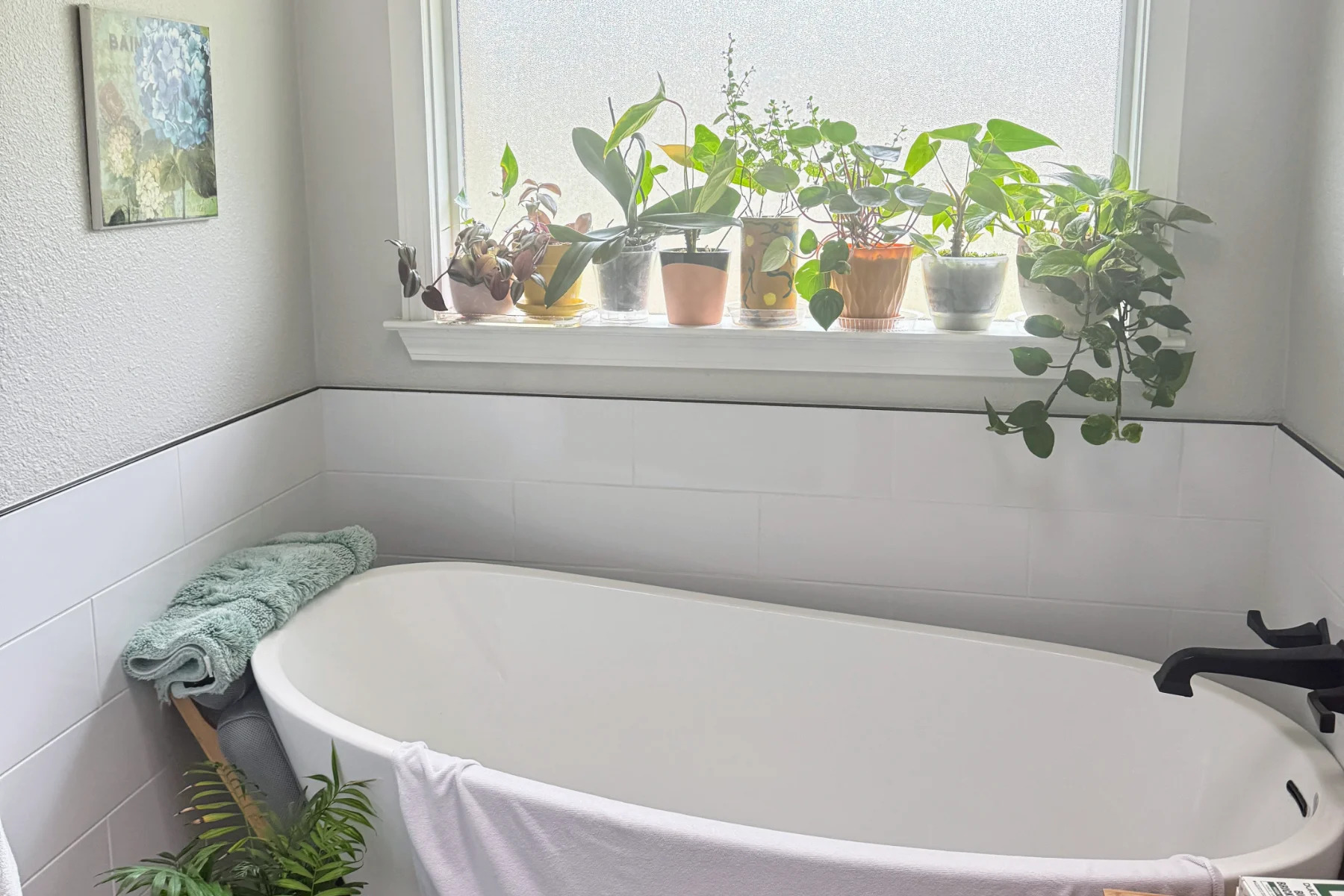
Best Plants for the Bathroom
-
Boston Fern (Nephrolepis exaltata)
Boston ferns are the quintessential bathroom plant for good reason. They evolved in humid tropical forest floors and actively prefer the steamy conditions a bathroom provides. They struggle in low-humidity living rooms but stay lush and green near shower steam.
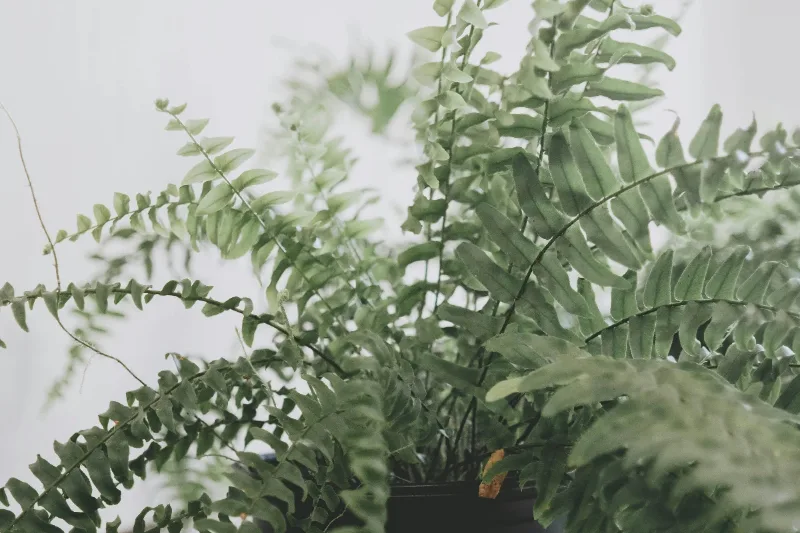
Boston ferns love the consistent humidity of a bathroom. Photo: Joshua Mcknight on Pexels How to grow it: Place on a plant stand or shelf where they can catch indirect light from a window or skylight. Water when the top inch of soil feels barely dry. In a naturally humid bathroom, you may barely need to mist at all.
-
Pothos
Pothos handles low-light bathrooms better than almost any other plant. It tolerates the fluctuating temperatures of a room that heats up during showers and cools down otherwise, and it actively appreciates the humidity boost. Trail it from a high shelf near the window or above the mirror.
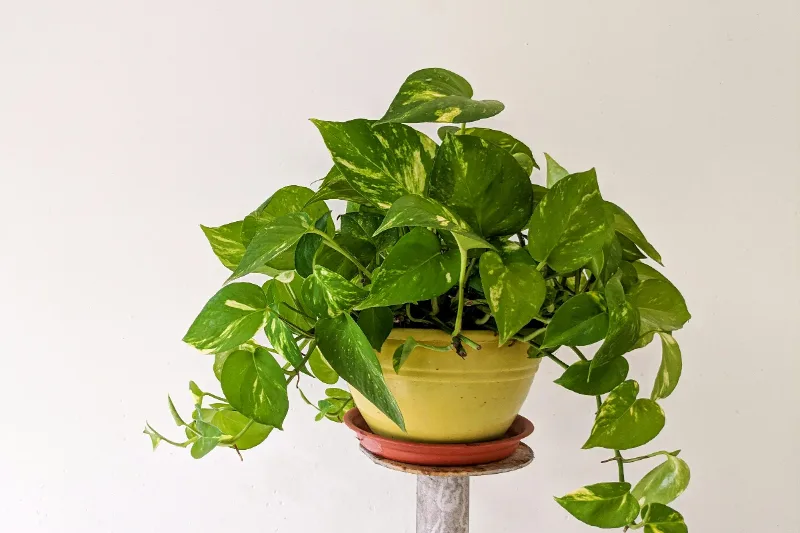
Pothos tolerates low light and thrives in humid air. Photo: Nithin Nath on Pexels How to grow it: Water when the top 2 inches of soil are dry. If your bathroom has no natural light at all, supplement with a small grow light on a timer. Golden pothos is the most tolerant of very low light.
-
Peace Lily (Spathiphyllum)
Peace lilies are one of the few flowering houseplants that do well in low to medium light and love high humidity. They signal when they need water by drooping slightly, which is a convenient care cue. They also filter some airborne compounds, making them a practical and attractive bathroom choice.
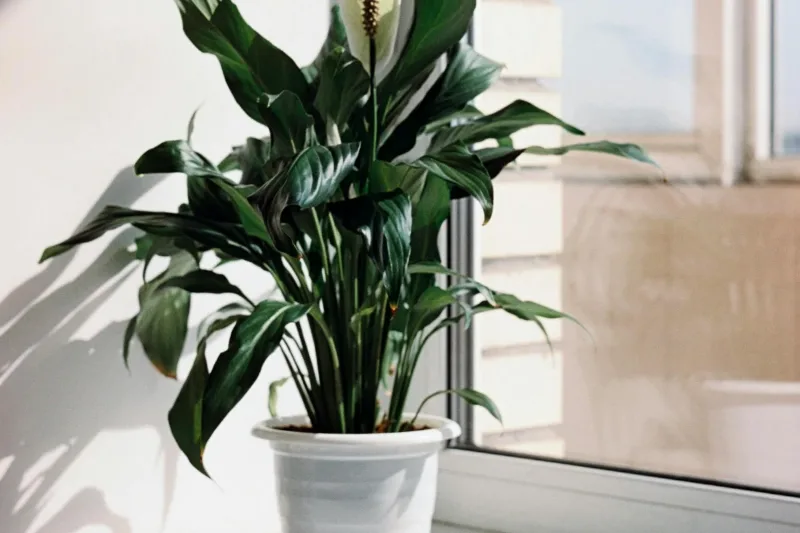
Peace lilies prefer shade and appreciate bathroom humidity. Photo: Elena Golovchenko on Pexels How to grow it: Keep it out of direct sun, which scorches the leaves. Water when leaves just begin to droop or when the top 2 inches of soil are dry. Peace lilies are mildly toxic to pets and children.
-
Cast Iron Plant (Aspidistra elatior)
The cast iron plant earns its name. It tolerates deep shade, fluctuating temperatures, and inconsistent watering better than nearly any houseplant. For windowless or very dim bathrooms, it is one of the few plants that will genuinely survive rather than just struggle along.
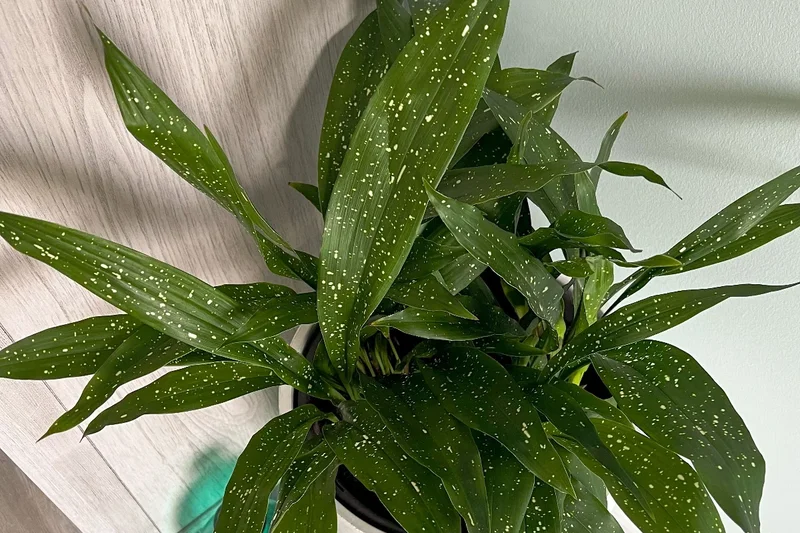
The Cast Iron Plant thrives in low light and tolerates the humidity swings of any bathroom. Photo: Gene&Mandee Maroulitsas on Pexels How to grow it: Water infrequently, only when the top 2-3 inches of soil are dry. Do not fertilize heavily; a slow-release fertilizer once in spring is sufficient. Growth is slow but the plant is essentially indestructible.
-
Orchid (Phalaenopsis)
Phalaenopsis orchids love the warm, humid conditions of a bathroom and do well in the filtered light that comes through frosted glass. They are not as fussy as their reputation suggests; most failures come from overwatering. A bathroom window position often gives them the stable temperatures they prefer.
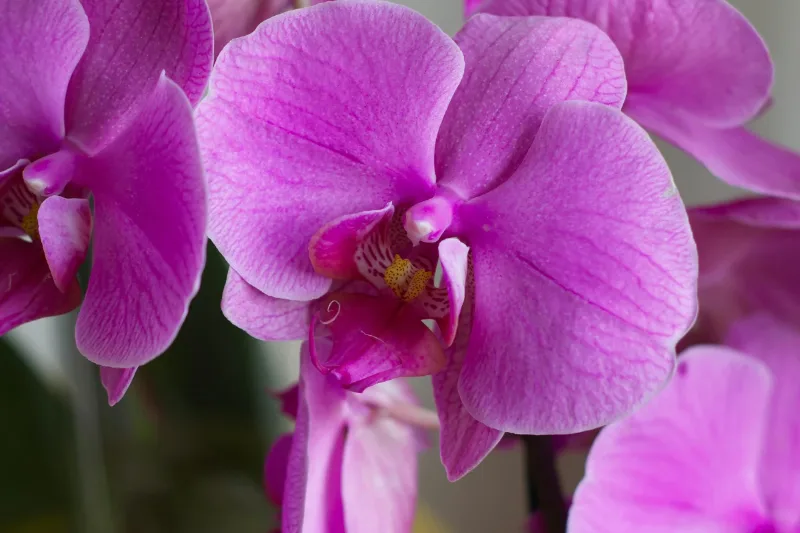
Orchids enjoy the humidity and thrive in indirect bathroom light. Photo: Emilio Francetich on Pexels How to grow it: Water once a week by removing the pot from the decorative cache pot and soaking the roots in water for a few minutes, then draining completely before replacing. Fertilize monthly with an orchid-specific fertilizer.
-
Air Plants (Tillandsia)
Air plants require no soil, which makes them ideal for small bathroom surfaces, shelves, and window ledges. They absorb moisture directly from the air, so in a bathroom with regular shower use they may need very little additional watering. They come in dozens of shapes and sizes.
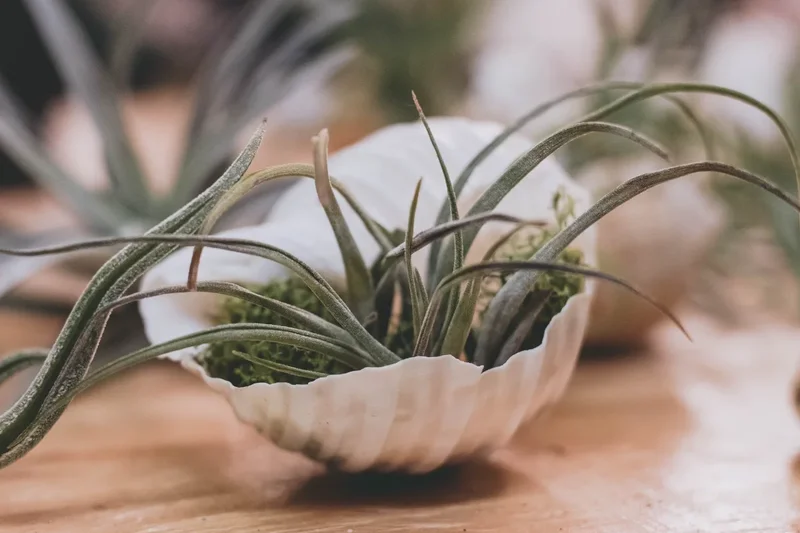
Air plants absorb moisture from the air, making a humid bathroom an ideal home. Photo: Joshua Mcknight on Pexels How to grow it: Mist 2-3 times per week if your bathroom is not consistently humid, or let them absorb steam from showers. Once a week, soak in water for 30 minutes and shake off excess. Allow to dry fully before placing back in an enclosed container.
-
Snake Plant (Sansevieria)
Snake plants tolerate low light and low humidity but actively benefit from a humid bathroom environment. Their architectural form looks striking in a corner or beside the toilet. They are one of the lowest-maintenance plants available and bounce back from weeks of neglect.
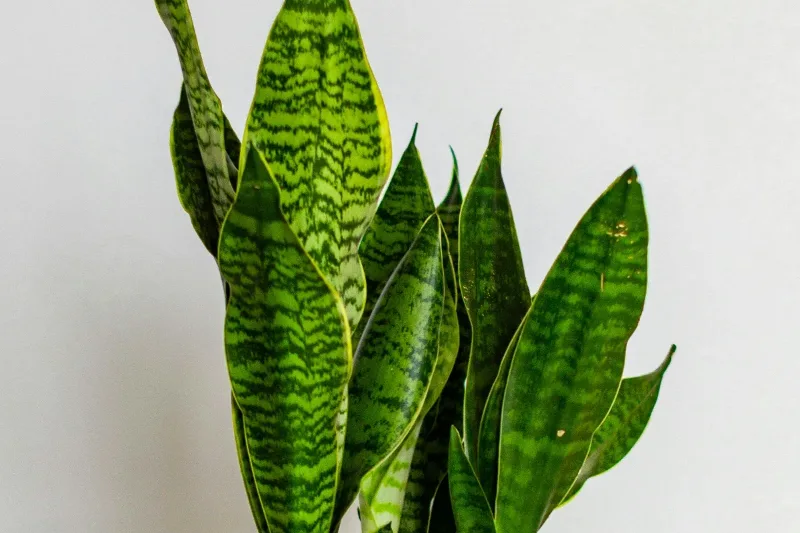
Snake plants handle low light and inconsistent watering. Photo: Jardin De Neko on Pexels How to grow it: Water every 2-4 weeks; less in winter. Plant in well-draining soil and never let water sit in the pot base. In a bathroom with no window, supplement with a grow light or swap with a different plant before it declines.
Bathroom plants compared
Bathroom humidity helps, but light decides what survives. Pet safety follows the ASPCA toxicity listings.
| Plant | Minimum light | Uses the humidity | Pet-safe? |
|---|---|---|---|
| Boston fern | Medium indirect | A lot | ✅ Safe |
| Pothos | Low light | Some | ❌ Toxic |
| Peace lily | Low light | A lot | ❌ Toxic |
| Cast iron plant | Deep shade | Little | ✅ Safe |
| Phalaenopsis orchid | Bright indirect | A lot | ✅ Safe |
| Air plant | Bright indirect | A lot | ✅ Safe |
| Snake plant | Deep shade | Little | ❌ Toxic |
Frequently Asked Questions
- Do bathroom plants need a window?
- Most need some natural light, even a little. Shower humidity does not make up for the lack of it: a plant in a windowless bathroom with no lamp stretches and drops leaves within a few months. If your bathroom has no window, choose a cast iron plant, snake plant, or pothos, and either leave the light on for a couple of hours a day or add a small grow bulb.
- Which plant survives a bathroom with no natural light?
- The cast iron plant is the toughest on this list for deep shade, followed by the snake plant and pothos. None of them grows quickly in those conditions, and that is part of the appeal: they stay the size you have room for.
- Does shower steam count as watering?
- No. Steam raises the humidity of the air, which is what ferns and orchids appreciate, but almost none of it reaches the soil. Water on the same schedule you would anywhere else: check the top inch or two with a finger and water when it is dry. In a humid bathroom the soil dries more slowly, so you usually water less often, not more.
- Can you keep an orchid in the bathroom?
- Yes, and it often does better there than in the living room, as long as it gets bright indirect light. Phalaenopsis come from humid environments and shower steam is close to what they know. They need bark rather than potting soil and a pot that drains freely, since standing water rots them faster than dryness ever will.
- Which bathroom plants are safe for cats and dogs?
- From this list, Boston fern, cast iron plant, Phalaenopsis orchid, and air plants are non-toxic per the ASPCA. Pothos, peace lily, and snake plant are toxic if eaten. In a small bathroom a pet usually has access to every surface, so choosing from the safe group beats relying on where you put the pot.
- Why is mold growing on my bathroom plant's soil?
- Because the soil is staying wet longer than it should. It is usually overwatering plus poor airflow rather than anything about the bathroom itself. Scrape off the moldy layer, let the soil dry further between waterings, and leave the door or window open for a while after a shower. A thin layer of sand or perlite on top also helps.
The Bottom Line on Bathroom Plants
Bathrooms with natural light and consistent steam are ideal for humidity-loving tropicals like ferns, orchids, and peace lilies. If your bathroom has no window, stick to pothos or snake plants and supplement with a small grow light. The key is matching the plant to your actual light level, not just the humidity.
Get Personalized Plant Care Advice
PlantCareAI uses your location and local weather to give you advice tailored to your exact situation. No signup required to try.
Try the AI Plant Doctor