
How to Get Rid of Mealybugs on Houseplants
By Ellen Hermance · PlantCareAI Editorial
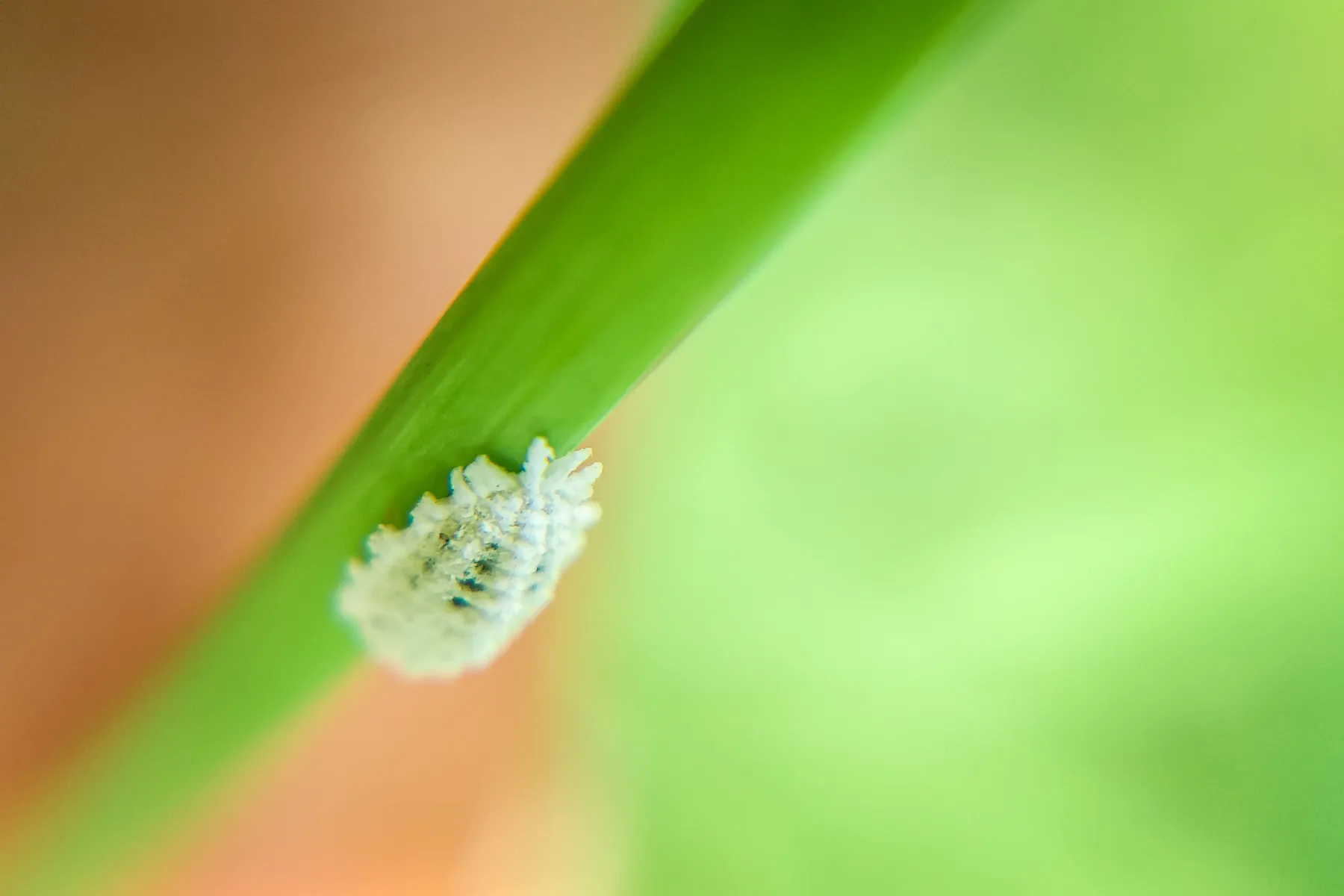
If you notice white, cottony clusters in the joints of your plant's stems or tucked along leaf undersides, you have mealybugs. They are one of the most persistent houseplant pests; slow-moving, easy to miss at first, and capable of building large colonies that weaken a plant over weeks. The good news is they respond well to treatment once identified early. This guide explains why they appear and exactly how to get rid of them.
Quick Answer: Mealybugs are soft-bodied insects that cluster in leaf joints and stem crevices, leaving white waxy residue and honeydew. To eliminate them: wipe visible bugs off with a cotton swab dipped in rubbing alcohol, then spray the entire plant with insecticidal soap or neem oil every 5–7 days for 3–4 weeks. Isolate the affected plant immediately to prevent spread.
Why You Have Mealybugs (And How to Fix Each Cause)
-
Newly purchased or gifted plants
Mealybugs are most commonly introduced on plants brought home from nurseries, garden centers, or from other people's collections. Eggs and crawlers are tiny and easily overlooked, especially inside stem joints and on root surfaces. A single infested plant can spread mealybugs to every plant nearby within weeks.
How to fix it: Inspect all new plants carefully before purchasing; check stem joints, leaf undersides, and the soil surface. Quarantine every new plant in a separate room for 2–3 weeks before placing it near other plants.
-
Overfertilizing (high-nitrogen growth)
Plants fed excessive nitrogen produce lush, fast, soft new growth that is especially attractive to sap-sucking insects like mealybugs. Overfertilized plants are among the most vulnerable to pest establishment because the soft tissue is easier to pierce and higher in nutrients.
How to fix it: Feed plants at half the recommended dose, only during active growing season (spring through early fall). Avoid fertilizing in winter when growth naturally slows.
-
Warm, dry indoor conditions
Mealybugs thrive in warm temperatures (65–80°F) and low humidity; exactly the conditions of most heated indoor spaces in winter. Dry air stresses plants and makes them less able to resist pests, while also being ideal for mealybug reproduction.
How to fix it: Increase humidity around vulnerable plants using a pebble tray with water or a small humidifier. Keep plants away from heating vents, which create hot, dry micro-climates.
-
Dense, crowded plant arrangements
When plants are packed tightly together, mealybugs can crawl directly from one plant to another without ever needing to move through open air. Crowding also reduces air circulation, which helps mealybugs go undetected longer.
How to fix it: Space plants so leaves don't touch neighboring plants. Regularly inspect the plants touching or closest to any plant you know has had mealybugs.
-
Ants farming mealybugs
Ants actively protect and transport mealybugs because mealybugs secrete a sugary liquid called honeydew that ants consume. If you see ants on your plants, mealybugs (or aphids) are almost certainly present too. The ants will move mealybugs to new plants to farm more honeydew.
How to fix it: If ants are present indoors, treat the ant problem alongside the mealybug problem. Use sticky barriers around pot bases to prevent ants from accessing plants.
-
Soil-dwelling root mealybugs
A less common but harder-to-detect form of mealybug lives in the soil around roots rather than on leaves and stems. Root mealybugs cause wilting and decline that looks like overwatering or underwatering, and the plant appears sick without visible pests above soil.
How to fix it: If a plant looks persistently unwell despite good care, unpot it and inspect the roots and surrounding soil for white waxy residue. Treat by removing all old soil, rinsing roots, soaking in insecticidal soap solution, and repotting in fresh mix.
-
Plants stressed by poor conditions
Plants already weakened by too little light, inconsistent watering, or root problems are significantly more susceptible to mealybug infestation. Stressed plants produce fewer natural defensive compounds and are a more appealing target for pests.
How to fix it: Address the underlying care issue alongside treating the pest. A plant recovering in better conditions (right light, consistent watering, good drainage) will resist reinfestation far more effectively.
-
Outdoor plants brought inside
Bringing outdoor container plants inside for winter, or summering plants outdoors on a porch, is a common way to introduce mealybugs and other pests. Even plants that looked clean outdoors may carry eggs or crawlers.
How to fix it: Before bringing any outdoor plant inside, inspect it thoroughly and treat prophylactically with insecticidal soap or neem oil. Allow it to dry and then quarantine it for 2 weeks before placing it near other plants.
How to Treat Root Rot: Step-by-Step
-
Isolate the affected plant immediately to prevent mealybugs from crawling to neighboring plants
-
Wipe all visible mealybugs and egg masses off with a cotton swab or cotton ball dipped in 70% isopropyl alcohol
-
Spray the entire plant (stems, both sides of leaves, and all joints) with insecticidal soap or neem oil solution
-
Repeat the alcohol wipe and spray treatment every 5–7 days for at least 4 weeks to catch newly hatched crawlers
-
Check the soil surface and consider treating with a systemic insecticide or neem soil drench if root mealybugs are suspected
-
After 4 weeks with no new mealybugs visible, return the plant to its original location but continue monitoring weekly for 2 more weeks
Mealybug Treatment Methods Compared
For active infestations, combine alcohol spot treatment with a full-plant spray:
| Method | Targets | Speed | Effort |
|---|---|---|---|
| Rubbing alcohol (cotton swab) | Adults and egg masses (contact) | Immediate | Medium (manual) |
| Insecticidal soap spray | Adults and crawlers (contact) | Fast (weekly) | Low |
| Neem oil spray | All stages (contact + residual) | 1–2 weeks | Low |
| Neem oil soil drench | Root mealybugs | 2–3 weeks | Low |
| Systemic insecticide | All stages including roots | 1–2 weeks | Low (drench) |
| Predatory insects (lacewings, ladybugs) | Adults and crawlers | 2–4 weeks | Low (release) |
| Full repotting with root wash | Root mealybugs (complete reset) | Immediate | High |
| Discard plant | Everything | Immediate | Low (last resort) |
Frequently Asked Questions
- What are the white cottony clusters on my plant?
- That is almost certainly mealybugs. The white, waxy, fluffy material is the protective coating mealybugs secrete around themselves and their eggs. Check the joints where leaves meet stems and along the undersides of leaves; those are their preferred hiding spots.
- Does rubbing alcohol kill mealybugs?
- Yes, 70% isopropyl alcohol kills mealybugs on contact by dissolving their waxy coating. Apply it with a cotton swab directly to individual bugs and egg masses. Avoid spraying alcohol on leaves in direct sunlight as it can cause burns. Alcohol alone is not enough for a full infestation; follow up with insecticidal soap or neem oil sprays.
- How long does it take to get rid of mealybugs?
- Expect 4–6 weeks of consistent treatment. Mealybug eggs can take 1–3 weeks to hatch, so treatment must continue long enough to catch newly hatched crawlers before they mature and reproduce. Weekly treatments for at least 4 weeks are the minimum.
- Can mealybugs spread to other plants?
- Yes, easily. Crawlers (newly hatched mealybugs) can walk to adjacent plants, and ants will actively carry them. Isolate any infested plant immediately and inspect all plants that were touching it or nearby.
- What is the sticky residue under my plant?
- That is honeydew; a sugary waste product secreted by mealybugs and other sap-sucking insects. It often leads to sooty mold (a black fungal growth) developing on leaves and surfaces below the plant. Clean it off with a damp cloth and treat the mealybug infestation to stop production.
- Does neem oil kill mealybugs?
- Yes; neem oil disrupts mealybug feeding, reproduction, and development. It works on contact and has some residual effect. Mix 1 teaspoon of cold-pressed neem oil with 1 liter of water and a drop of dish soap as an emulsifier. Spray thoroughly every 7 days. It is less immediately effective than alcohol but better for whole-plant protection.
- Are mealybugs harmful to humans or pets?
- No. Mealybugs do not bite, sting, or transmit disease to people or pets. They are only harmful to plants.
The Bottom Line on Mealybugs
Mealybugs are persistent but beatable. The keys are: isolate immediately (they spread fast), manually remove with alcohol (breaks through the waxy coating), and follow up with weekly insecticidal soap or neem oil sprays for a full month. Don't stop treatment at the first sign of improvement; eggs you cannot see will hatch into a new generation in 1–2 weeks. Consistency across 4–6 weeks is what wins.
Not sure what's wrong?
Premium includes AI photo diagnosis, then walks you through the fix and checks back in until it's better.
See Premium →Get Personalized Plant Care Advice
PlantCareAI uses your location and local weather to give you advice tailored to your exact situation. No signup required to try.
Try the AI Plant Doctor