
Lettuce Care Guide
Lactuca sativa
Also known as Salad Greens, Leaf Lettuce
By Ellen Hermance · PlantCareAI Editorial
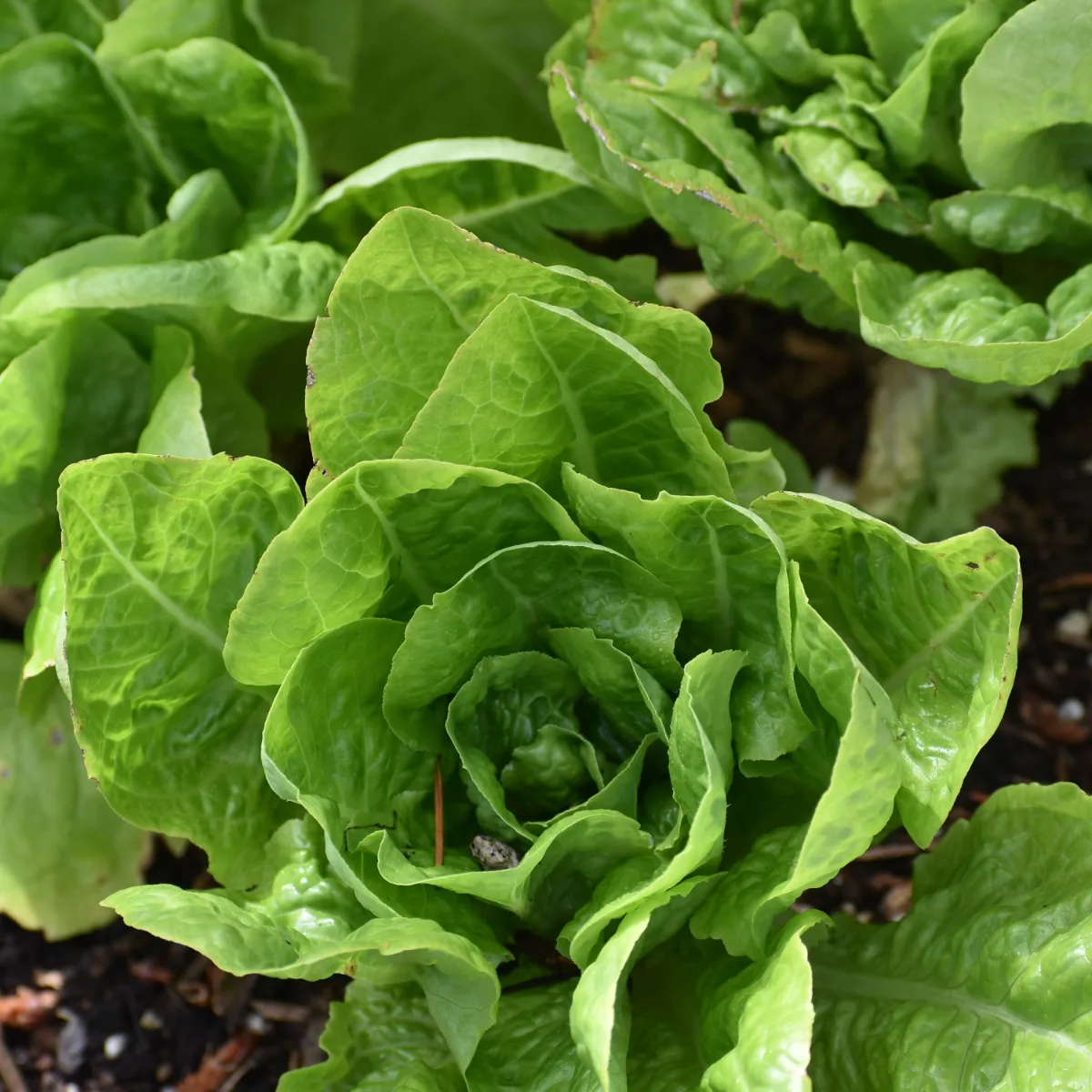
Lettuce is the easiest salad crop to grow and one of the fastest, ready to pick about a month after sowing for baby leaves. It is a cool-season plant with shallow roots, so it wants steady moisture and mild weather. Heat and long days make it bolt and turn bitter, which is why the best lettuce comes in spring and fall. Other salad greens such as spinach and arugula grow in much the same way and bolt for the same reasons.
Quick Care Reference
| Care Aspect | Requirement | Frequency |
|---|---|---|
| Watering | Frequent and light, never dry | Every 2-3 days; daily in heat or pots |
| Light | Full sun when cool | Afternoon shade as it warms |
| Temperature | 60-70°F (16-21°C) | Grow in spring and fall |
| Sowing | 1/8 inch (3 mm) deep | Every 2-3 weeks in season |
| Harvest | Outer leaves or whole heads | From about 30 days for baby leaves |
Watering
Lettuce has shallow roots and leaves that are mostly water, so it needs frequent, light watering rather than occasional deep soaks. In the ground, water every 2 to 3 days in dry weather, about 1 inch (2.5 cm) a week; in containers and in warm spells, water daily. Letting it dry out makes the leaves bitter and speeds bolting. Water in the morning so the leaves dry before night, and mulch to keep the soil cool and moist.
Light Requirements
In spring and fall lettuce grows best in full sun. As the weather warms, afternoon shade keeps it cooler and delays bolting, and it grows acceptably with 4 hours of sun. Planting it in the shade of taller crops in early summer can stretch the season.
Humidity & Temperature
Lettuce grows best between about 60 and 70°F (16 to 21°C) and tolerates light frost. Seed germinates poorly in soil above about 80°F (27°C), so late summer sowings for fall do better in shade or sown indoors. Heat and long days trigger bolting: the plant sends up a tall stalk and the leaves turn bitter. In mild regions it grows through winter, sometimes under a simple cover.
Fertilizing
Lettuce needs a steady supply of nitrogen for leafy growth, but not much of it. Work compost into the bed before sowing. A light feed of balanced or nitrogen-rich fertilizer 3 to 4 weeks after sowing is plenty for most beds; containers benefit from a half-strength liquid feed every 2 weeks.
Propagation
Lettuce is grown from seed, sown directly or started indoors and transplanted. It transplants easily, unlike many root crops.
Direct sowing
- Sow from 2 to 4 weeks before the last frost in spring
- Barely cover the seed, about 1/8 inch (3 mm); light helps it germinate
- Keep the surface moist; seedlings appear in 7 to 10 days
- Thin leaf lettuce to 4 to 6 inches (10 to 15 cm) apart, heading types to 10 to 12 inches (25 to 30 cm)
Starting indoors
- Sow in trays 4 to 6 weeks before planting out
- Keep the mix cool, below 75°F (24°C), for good germination
- Harden off for a few days and plant out at the same depth
- Use this method for late summer sowings when the soil is too hot for seed
Popular Varieties
Loose-leaf lettuce
Open rosettes picked a few leaves at a time. The fastest and most forgiving type, and the best for containers.
Romaine lettuce
Tall, upright heads with crisp ribs. Somewhat more heat tolerant than butterhead types.
Butterhead lettuce
Soft, loose heads with tender, buttery leaves. Best in cool weather; bolts quickly in heat.
Seasonal Care Calendar
Spring
Mar – May
- Sow outdoors from 2 to 4 weeks before the last frost.
- Sow again every 2 to 3 weeks until the weather warms.
- Harvest outer leaves regularly; water little and often.
Summer
Jun – Aug
- Move lettuce to afternoon shade or use shade cloth. Expect bolting in heat.
- Pull bolted plants.
- Start fall lettuce indoors or in a shady bed in late summer.
Fall
Sep – Nov
- Plant out and sow fall lettuce; this is often the best season.
- Keep sowing until about 6 weeks before hard frost.
- Cover plants on frosty nights to extend the harvest.
Winter
Dec – Feb
- In mild regions, keep harvesting under a light cover.
- Elsewhere, grow baby leaves in a container indoors.
- Order seed, including slow-bolting and heat-tolerant varieties.
Troubleshooting
Leaves turn bitter and a tall stalk rises from the center
Why it happens: Bolting, triggered by heat, long days and drought
What to do: Pull the plant; it will not go back. Sow again in cooler weather, give afternoon shade, water evenly, and grow slow-bolting varieties for late spring.
Ask the AI about this →Brown, dead edges on the inner leaves
Why it happens: Tipburn, a calcium shortage in fast-growing leaves brought on by heat and uneven watering
What to do: Water evenly and keep the plants cool. Trim affected leaves; the rest are fine to eat.
Learn more: Why Are My Plant Leaves Turning Brown? → Ask the AI about this →Ragged holes in the leaves and silvery trails
Why it happens: Slugs and snails, feeding at night and in wet weather
What to do: Hand-pick in the evening, use traps or iron phosphate bait, and clear hiding places nearby. Water in the morning rather than the evening.
Learn more: Plant Pest Identification Guide → Ask the AI about this →Plants wilt in the afternoon
Why it happens: Heat and shallow roots running short of water
What to do: Water in the morning, mulch to keep the soil cool, and add afternoon shade. Plants that recover by evening are fine.
Learn more: Why Are My Plant Leaves Drooping? → Ask the AI about this →Seed sown in summer did not come up
Why it happens: Soil above about 80°F (27°C), which keeps lettuce seed dormant
What to do: Sow in a shady spot, water the bed to cool it first, or start seed indoors and transplant.
Ask the AI about this →Not sure what's wrong?
Premium includes AI photo diagnosis, then walks you through the fix and checks back in until it's better.
See Premium →Track your Lettuce with PlantCareAI
Add your Lettuce and get a watering schedule tuned to this week's weather. Free for up to 3 plants.
Add your Lettuce