
Plants Safe for Cats: 12 Non-Toxic Houseplants (ASPCA-Verified)
By Ellen Hermance · PlantCareAI Editorial
If you have cats, plant selection matters. Cats are curious; they chew, bat at, and knock over plants constantly. Some common houseplants are severely toxic to cats, causing kidney failure, seizures, or worse with even small ingestion. The good news: there are dozens of beautiful, easy-care plants that the ASPCA confirms are non-toxic to cats. This guide covers 12 of the best, with care notes for each.
Quick Answer: Cat-safe houseplants include Spider Plant, Boston Fern, Areca Palm, Calathea, Orchid, Peperomia, Haworthia, Bromeliad, African Violet, Polka Dot Plant, Swedish Ivy, and Catnip. All are confirmed non-toxic to cats by the ASPCA. Avoid Lilies (deadly), Pothos, Philodendron, and Peace Lily; all toxic.
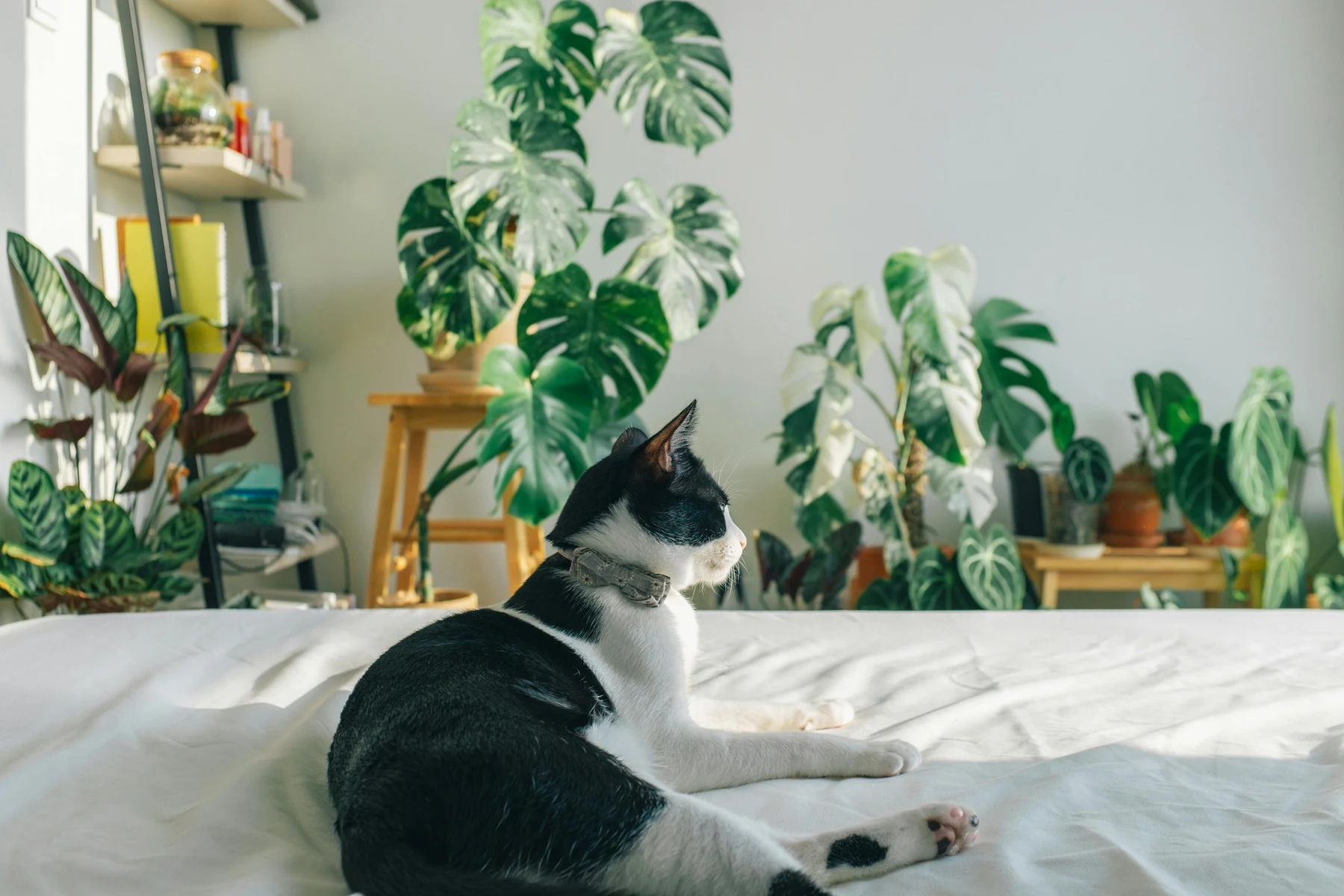
12 Non-Toxic Plants Safe for Cats
-
Spider Plant (Chlorophytum comosum)
One of the most popular and reliable cat-safe houseplants. Spider plants are non-toxic to cats, though cats are often attracted to them; possibly due to a mild hallucinogenic effect similar to catnip. Ingestion may cause mild stomach upset in large quantities but is not dangerous.
How to fix it: Care: bright to moderate indirect light, water when top inch of soil is dry. Hang it or place on high shelves if your cat actively chews it. Fast-growing and easy to propagate from the dangling 'spiderettes'.
-
Boston Fern (Nephrolepis exaltata)
Boston ferns are confirmed non-toxic to cats and dogs by the ASPCA. They add lush, feathery texture to any space. Cats may chew the fronds, which causes no harm but can stress the plant.
How to fix it: Care: high humidity, indirect light, consistently moist soil. Mist regularly or use a pebble tray. Keep out of drafts and heating vents; ferns drop fronds in dry air.
-
Areca Palm (Dypsis lutescens)
Areca palms are non-toxic to cats and one of the best large cat-safe plants available. They're also excellent air humidifiers, releasing moisture into the air through transpiration.
How to fix it: Care: bright indirect light, water when top 2 inches are dry. Tolerates some direct morning sun. Sensitive to fluoride; use filtered water if tips brown. Can grow 6–8 feet tall indoors.
-
Calathea (Calathea spp.)
Calatheas are non-toxic to cats and prized for their dramatic patterned leaves. They're fussier than most plants (high humidity, no direct sun, consistent moisture) but completely safe if a cat chews on them.
How to fix it: Care: indirect light only, keep soil evenly moist but never soggy, humidity above 50%. Leaves curl when stressed; this is the plant's signal it needs water or humidity. Use filtered or distilled water.
-
Orchid (Phalaenopsis spp.)
Moth orchids; the most common houseplant orchid; are non-toxic to cats. If a cat chews on the flowers or leaves, it may cause mild digestive upset but is not dangerous. They're also long-lasting and elegant.
How to fix it: Care: bright indirect light, water once a week by soaking the pot, then let drain fully. Do not let roots sit in water. Blooms last 2–4 months. Rebloom by keeping in a cooler room (60–65°F) for 4 weeks.
-
Peperomia (Peperomia spp.)
The 1,000+ species of Peperomia are all non-toxic to cats. They come in dozens of textures and shapes; waxy, fuzzy, trailing, upright; making them excellent for variety. Small, slow-growing, and very forgiving.
How to fix it: Care: moderate indirect light, water when top inch is dry (they store water in thick leaves; overwatering is the main killer). Can go 2–3 weeks without water in winter.
-
Haworthia (Haworthia spp.)
Haworthia is a safe succulent alternative for cat households. Unlike Aloe Vera (toxic to cats), Haworthia is confirmed non-toxic. It looks similar to Aloe (rosette shape, stiff pointed leaves) but stays small and manageable.
How to fix it: Care: bright indirect light (direct sun can scorch), water every 2–3 weeks, excellent drainage essential. Perfect for windowsills. Slow-growing and virtually indestructible.
-
Bromeliad (Bromeliaceae family)
Bromeliads are non-toxic to cats and bring tropical color through their vivid bracts (often mistaken for flowers). They're epiphytes; they don't need much soil, and are easy to care for indoors.
How to fix it: Care: bright indirect light, keep the central cup filled with water, mist occasionally. The main flower spike lasts months. After blooming, the mother plant dies but produces offshoots (pups) you can repot.
-
African Violet (Saintpaulia spp.)
African violets are non-toxic to cats and bloom almost year-round in the right conditions. Their velvety leaves and compact size make them ideal for windowsills. Safe even if chewed.
How to fix it: Care: bright indirect light (east-facing window ideal), water from the bottom to avoid leaf spotting, keep soil slightly moist. Avoid cold drafts. Feed with a bloom-booster fertilizer monthly during growing season.
-
Polka Dot Plant (Hypoestes phyllostachya)
Polka dot plants are non-toxic to cats. Their pink, red, or white spotted leaves add color without flowering. They're fast-growing and fun, though they can get leggy without enough light.
How to fix it: Care: bright indirect light (more light = more vivid spots), keep soil consistently moist, high humidity preferred. Pinch growing tips regularly to keep the plant bushy rather than leggy.
-
Swedish Ivy (Plectranthus verticillatus)
Swedish ivy is non-toxic to cats and makes an attractive trailing plant for hanging baskets. It grows quickly and is forgiving of occasional neglect. Not a true ivy; true English ivy (Hedera helix) is toxic.
How to fix it: Care: bright to moderate indirect light, let soil dry slightly between waterings, mist occasionally. Prune regularly to maintain a full, bushy shape. Easy to propagate from stem cuttings in water.
-
Catnip (Nepeta cataria)
Catnip is technically a herb and is non-toxic to cats; in fact, it's the classic feline attractant. Growing it indoors gives cats a safe plant to interact with freely, potentially drawing attention away from your other plants.
How to fix it: Care: full sun (at least 4–6 hours), well-draining soil, water when top inch is dry. Grows vigorously. Harvest leaves for drying or let the cat at it fresh. Can become quite large, up to 3 feet tall.
Safe vs. Toxic Common Houseplants for Cats
Quick reference; always verify with the ASPCA database for your specific plant species:
| Plant | Toxic to Cats? | Severity if Ingested | Safe Alternative |
|---|---|---|---|
| Spider Plant | No | None (mild upset possible) | — |
| Boston Fern | No | None | — |
| Pothos | Yes | Moderate (oral irritation, vomiting) | Swedish Ivy |
| Peace Lily | Yes | Moderate (oral irritation) | Calathea |
| Aloe Vera | Yes | Moderate (vomiting, lethargy) | Haworthia |
| Lily (true Lilium) | Yes | Severe; kidney failure | Orchid |
| Philodendron | Yes | Moderate (oral irritation) | Peperomia |
| Calathea | No | None | — |
| Dracaena | Yes | Moderate (vomiting, weakness) | Areca Palm |
| Orchid (Phalaenopsis) | No | None | — |
Frequently Asked Questions
- Are Pothos safe for cats?
- No. Pothos (Epipremnum aureum) are toxic to cats. They contain insoluble calcium oxalate crystals that cause intense burning in the mouth, drooling, vomiting, and difficulty swallowing. Keep Pothos out of reach or rehome them if you have cats that chew plants.
- Are Peace Lilies safe for cats?
- No. Peace Lilies are toxic to cats (and dogs). They contain calcium oxalate crystals. Symptoms: oral irritation, drooling, vomiting. True lilies (Lilium and Hemerocallis species) are far more dangerous; even small ingestion can cause acute kidney failure in cats.
- Are Succulents safe for cats?
- It depends on the species. Haworthia and Echeveria are non-toxic to cats. Aloe Vera, Euphorbia (Pencil Cactus), and Kalanchoe are toxic. Always verify the specific genus; 'succulent' covers thousands of species with wildly different toxicity profiles.
- What should I do if my cat eats a plant?
- If you're unsure whether the plant is toxic, call the ASPCA Animal Poison Control Center (888-426-4435) or Pet Poison Helpline (855-764-7661) immediately; do not wait for symptoms. If you know the plant is non-toxic, monitor for mild stomach upset (vomiting, diarrhea) which should resolve on its own. Take a photo of the plant if you're not sure of the exact species.
- Is Spider Plant safe for cats even though they're attracted to it?
- Yes. Spider plants are non-toxic. Cats are often attracted to them; possibly due to a compound with mild hallucinogenic properties similar to catnip. Ingestion may cause mild vomiting but is not dangerous. The main issue is the plant getting chewed up, not your cat's health.
- Are Orchids safe for cats?
- Yes. Phalaenopsis orchids (the most common houseplant type) are non-toxic to cats. Ingestion may cause mild digestive upset but no serious harm. However, the pesticides used on orchids sold at grocery stores and garden centers may be harmful; rinse leaves and let new growth emerge before assuming complete safety.
The Bottom Line on Cat-Safe Plants
The safest approach for cat households is to choose plants verified non-toxic by the ASPCA and place all borderline plants well out of reach. Spider Plant, Boston Fern, Calathea, Peperomia, and Orchids are the most reliably safe and widely available options. Avoid Pothos, Philodendron, Peace Lily, Aloe Vera, and any true Lily species; these are among the most common toxic plants found in homes. When in doubt, check the ASPCA's full online database before purchasing any new plant.
Get Personalized Plant Care Advice
PlantCareAI uses your location and local weather to give you advice tailored to your exact situation. No signup required to try.
Try the AI Plant Doctor