
Plants Toxic to Cats: 12 Dangerous Houseplants to Avoid
By Ellen Hermance · PlantCareAI Editorial
Several of the most popular houseplants are seriously toxic to cats, and some are deadly in small amounts. Lilies are the most dangerous: even a few pollen grains or a small amount of leaf can cause acute kidney failure in cats within 24–72 hours. Knowing which plants to avoid is the most important thing you can do to protect your cat. This guide covers 12 of the most commonly kept toxic plants, with symptoms and safe alternatives for each.
Quick Answer: The most toxic houseplants for cats include all true Lilies (Lilium and Hemerocallis; can cause fatal kidney failure), Pothos (calcium oxalate; oral burning, vomiting), Aloe Vera, Peace Lily, Philodendron, Dracaena, Dieffenbachia, Cyclamen, Autumn Crocus, and Sago Palm. If your cat ingests any of these, call ASPCA Poison Control (888-426-4435) immediately.
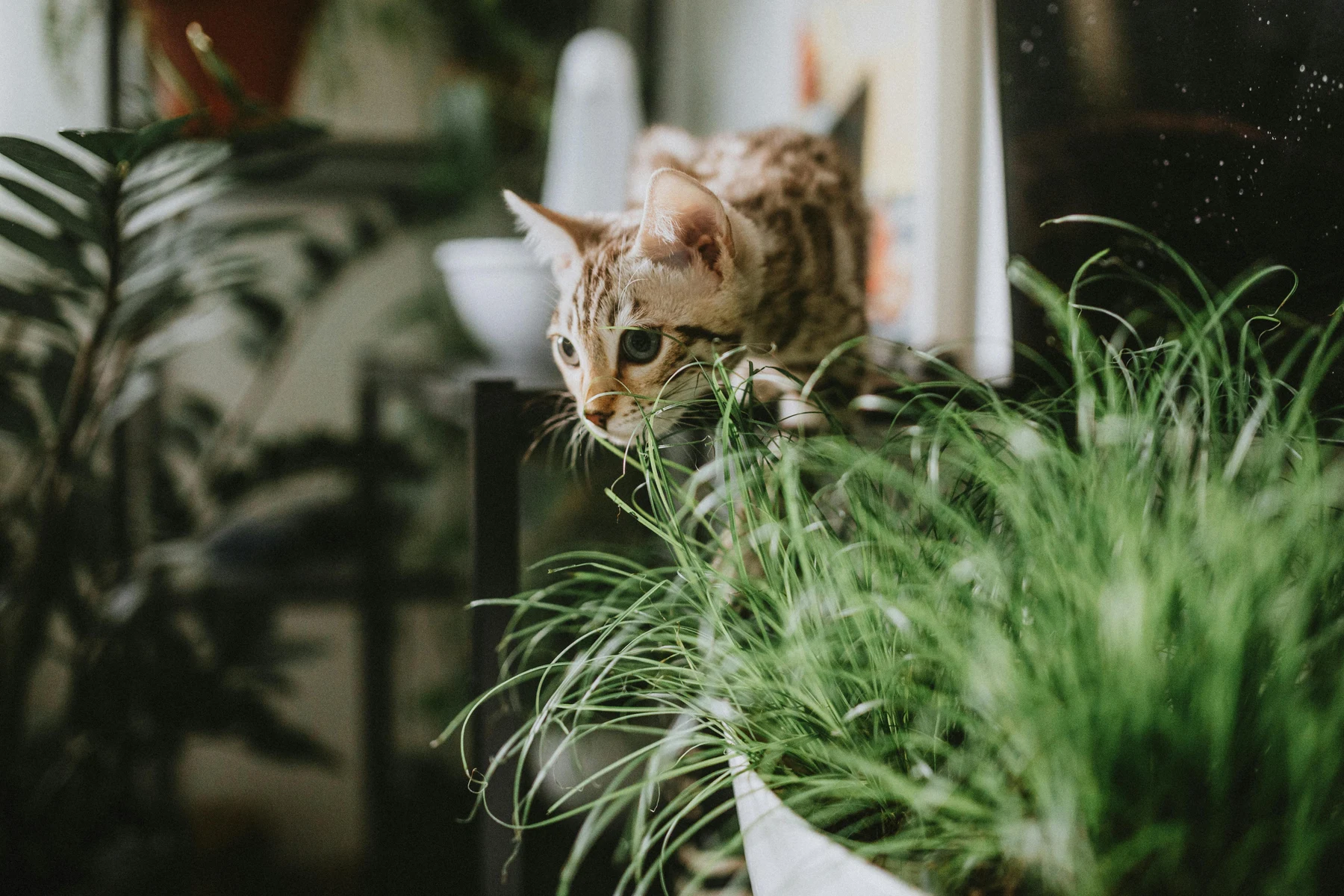
12 Plants That Are Toxic to Cats
-
True Lilies; Lilium and Hemerocallis (CRITICAL)
All Lilium species (Easter Lily, Tiger Lily, Asiatic Lily, Daylily) are acutely nephrotoxic to cats. Even small amounts; pollen on the fur licked off, a few leaves, or water from a vase; can cause acute kidney failure within 24–72 hours. Without immediate treatment, cats die. This is the most dangerous plant for cats in common household use.
How to fix it: EMERGENCY: If your cat has had any contact with a lily, call a vet immediately; do not wait for symptoms. Treatment within 18 hours of ingestion dramatically improves survival odds. Safe alternative: Orchid (Phalaenopsis) for similar elegant blooms.
-
Pothos (Epipremnum aureum)
Pothos is one of the most popular trailing houseplants, and one of the most common sources of cat toxicity calls. It contains insoluble calcium oxalate crystals that cause immediate oral burning, excessive drooling, pawing at the mouth, vomiting, and difficulty swallowing. All parts of the plant are toxic.
How to fix it: Remove from the home or hang completely out of reach. Safe alternatives: Spider Plant or Swedish Ivy for trailing plants. Pothos vines that touch the floor or hang in reach of cats will be chewed.
-
Peace Lily (Spathiphyllum spp.)
Peace Lilies are not true lilies but still toxic to cats via calcium oxalate crystals. They cause oral irritation, drooling, vomiting, and difficulty swallowing. Not as acutely dangerous as Lilium species, but painful and potentially serious in large amounts.
How to fix it: Replace with Calathea; similar tropical foliage, bold leaves, completely non-toxic. If you keep Peace Lily, place on a high shelf your cat genuinely cannot access.
-
Philodendron (Philodendron spp.)
All Philodendron species contain calcium oxalate crystals. Heart-leaf philodendron (the common trailing type), Monstera deliciosa, and Pothos are all in this group. Symptoms: oral burning, excessive drooling, vomiting, swelling of mouth and throat.
How to fix it: Safe alternatives: Peperomia for similar leaf shapes, Calathea for bold tropical statements. Note that Monstera is also in the Araceae family and toxic to cats.
-
Aloe Vera (Aloe barbadensis)
Aloe Vera contains saponins and anthraquinones that cause vomiting, diarrhea, lethargy, tremors, and changes in urine color in cats. The medicinal gel sold for humans is processed to remove these compounds; the raw plant is toxic. The outer latex layer is especially problematic.
How to fix it: Safe succulent alternative: Haworthia. It has a nearly identical rosette shape and is completely non-toxic. Small, slow-growing, and very low maintenance.
-
Dracaena (Dracaena spp.)
All Dracaena species are toxic to cats, containing saponins that cause vomiting (sometimes with blood), anorexia, hypersalivation, dilated pupils, and weakness. Dracaenas are extremely common (Dragon Tree, Corn Plant, Lucky Bamboo) and a frequent cause of cat poisoning.
How to fix it: Safe palm alternative: Areca Palm for similar tropical vertical structure. Note that 'Lucky Bamboo' is actually a Dracaena species, not bamboo, and is toxic to cats.
-
Dieffenbachia / Dumb Cane (Dieffenbachia spp.)
Dieffenbachia contains calcium oxalate crystals that cause intense oral burning and swelling, so severe it can temporarily impair swallowing and vocalization (hence the name 'Dumb Cane'). Causes drooling, vomiting, and swelling of the lips and tongue.
How to fix it: Remove entirely from cat households; the oral injury potential is significant. Safe alternative: Calathea for large tropical leaves without toxicity.
-
Cyclamen (Cyclamen spp.)
Cyclamen tubers contain terpenoid saponins (cyclamine) that are severely toxic to cats. The highest concentration is in the roots and tubers. Ingestion of the tuber causes severe vomiting, abnormal heart rhythm, seizures, and can be fatal.
How to fix it: Do not keep Cyclamen in cat households. The plant is especially risky because cats may dig at the soil and reach the tubers. Safe flowering alternative: African Violet or Bromeliad.
-
Autumn Crocus (Colchicum autumnale)
Not to be confused with spring Crocus, Autumn Crocus (Colchicum) is severely toxic to cats. It contains colchicine and alkaloids that cause multi-organ failure; vomiting, bloody diarrhea, bone marrow suppression, liver and kidney failure. Can be fatal.
How to fix it: Do not bring Autumn Crocus indoors if you have cats. This is one of the most toxic plants on the ASPCA's list. Spring Crocus (Crocus vernus) is also toxic to cats but less severely.
-
Sago Palm (Cycas revoluta)
Sago Palm is extremely toxic to cats and dogs. All parts are poisonous; seeds most of all. Cycasin causes severe liver failure. Even small ingestion can be fatal with a 50–75% mortality rate even with treatment. Frequently kept as a decorative plant.
How to fix it: Do not keep Sago Palm in any pet household. Period. Safe palm alternative: Areca Palm (Dypsis lutescens); completely non-toxic and equally architectural.
-
Azalea and Rhododendron (Rhododendron spp.)
Azaleas and rhododendrons contain grayanotoxins that disrupt sodium channels in nerve and muscle cells. In cats: drooling, vomiting, diarrhea, weakness, abnormal heart rate, and potentially coma. Even small amounts of leaves can cause significant toxicity.
How to fix it: Avoid bringing Azalea cuttings or plants indoors if you have cats. This applies to all varieties, including miniature Azaleas sold as houseplants.
-
Chrysanthemum (Chrysanthemum spp.)
Chrysanthemums contain pyrethrins and sesquiterpene lactones that are toxic to cats. Symptoms: drooling, vomiting, diarrhea, incoordination, and skin irritation. Not as acutely dangerous as Lilium or Sago Palm, but a consistent cause of toxicity calls.
How to fix it: Avoid cut chrysanthemum arrangements in cat households; they're a frequent gift flower. Safe flowering alternatives: Orchid, African Violet, or Bromeliad.
Toxic Plants for Cats: Severity and Safe Alternatives
Ranked by severity of toxic effect:
| Plant | Toxin | Severity for Cats | Safe Alternative |
|---|---|---|---|
| True Lily (Lilium) | Nephrotoxin (unknown) | CRITICAL; kidney failure, fatal | Orchid |
| Sago Palm | Cycasin | CRITICAL; liver failure, ~50% fatal | Areca Palm |
| Autumn Crocus | Colchicine | Severe; multi-organ failure | African Violet |
| Cyclamen (tubers) | Cyclamine saponins | Severe; heart, seizures | Bromeliad |
| Azalea/Rhododendron | Grayanotoxins | Moderate–severe | Spider Plant |
| Dracaena | Saponins | Moderate; vomiting, weakness | Areca Palm |
| Dieffenbachia | Calcium oxalate | Moderate; severe oral injury | Calathea |
| Pothos | Calcium oxalate | Moderate; oral burning, vomiting | Swedish Ivy |
| Peace Lily | Calcium oxalate | Moderate; oral irritation | Calathea |
| Aloe Vera | Saponins/anthraquinones | Moderate; vomiting, lethargy | Haworthia |
| Chrysanthemum | Pyrethrins | Mild–moderate | Orchid |
| Philodendron | Calcium oxalate | Moderate; oral burning | Peperomia |
Frequently Asked Questions
- What are the signs of plant poisoning in cats?
- Common signs: drooling, pawing at the mouth, vomiting, diarrhea, lethargy, loss of appetite, difficulty breathing, dilated pupils, tremors, or seizures. With Lily ingestion specifically, initial symptoms (vomiting, lethargy) may appear mild before kidney failure develops 24–72 hours later. Always call a vet if you suspect plant ingestion; do not wait for symptoms to worsen.
- How quickly do toxic plants affect cats?
- Calcium oxalate plants (Pothos, Philodendron, Peace Lily) cause immediate oral burning within minutes. Lily toxicity progresses over 24–72 hours; cats may seem to recover initially before kidney failure develops. Sago Palm and Cyclamen can cause symptoms within 2 hours. Speed of treatment matters enormously; earlier is always better.
- Is Monstera toxic to cats?
- Yes. Monstera deliciosa contains insoluble calcium oxalate crystals; the same toxin as Pothos and Philodendron. Symptoms include oral irritation, drooling, and vomiting. It's not fatal in typical household quantities but is painful and can be serious. Keep out of reach or replace with a safe alternative.
- Who should I call if my cat eats a toxic plant?
- ASPCA Animal Poison Control Center: 888-426-4435 (24/7, consultation fee may apply). Pet Poison Helpline: 855-764-7661 (24/7). Your regular vet or emergency vet clinic. If you can, bring a photo of the plant and try to identify the species; treatment varies significantly by toxin type.
- Is Lucky Bamboo toxic to cats?
- Yes. 'Lucky Bamboo' is actually Dracaena sanderiana, not true bamboo, and is toxic to cats. It causes vomiting, weakness, and dilated pupils. True bamboo (Bambusoideae) is non-toxic to cats, but Lucky Bamboo is not related to it despite the name.
What to Do If Your Cat Eats a Toxic Plant
The most important action: remove all true Lilies (Lilium and Hemerocallis species) from your home if you have cats. These are the only common houseplants that can kill a cat with near-certainty. Sago Palm and Autumn Crocus are also potentially fatal. For the rest; Pothos, Peace Lily, Philodendron, Aloe; the risk is significant but manageable by keeping plants genuinely out of reach or replacing them with safe alternatives. If your cat has ingested any potentially toxic plant, call ASPCA Poison Control (888-426-4435) immediately rather than waiting for symptoms.
Get Personalized Plant Care Advice
PlantCareAI uses your location and local weather to give you advice tailored to your exact situation. No signup required to try.
Try the AI Plant Doctor