
Plants Toxic to Dogs: 12 Dangerous Houseplants to Avoid
By Ellen Hermance · PlantCareAI Editorial
Dogs eat things they shouldn't, including houseplants. The ASPCA Animal Poison Control Center handles over 100,000 pet poisoning cases per year, with plants consistently in the top causes. Some toxic plants cause mild stomach upset. Others cause liver failure or death. Knowing which plants to keep out of your home is the single most effective way to protect your dog. This guide covers 12 of the most commonly encountered toxic houseplants and outdoor plants, with symptoms and safe alternatives.
Quick Answer: The most dangerous plants for dogs: Sago Palm (cycasin causes fatal liver failure; even one seed), Oleander, Azalea, Yew, and Autumn Crocus. Common toxic houseplants: Pothos, Aloe Vera, Peace Lily, Philodendron, Dieffenbachia, Dracaena, and Tulip/Daffodil bulbs. If your dog ingests any of these, call ASPCA Poison Control (888-426-4435) immediately.
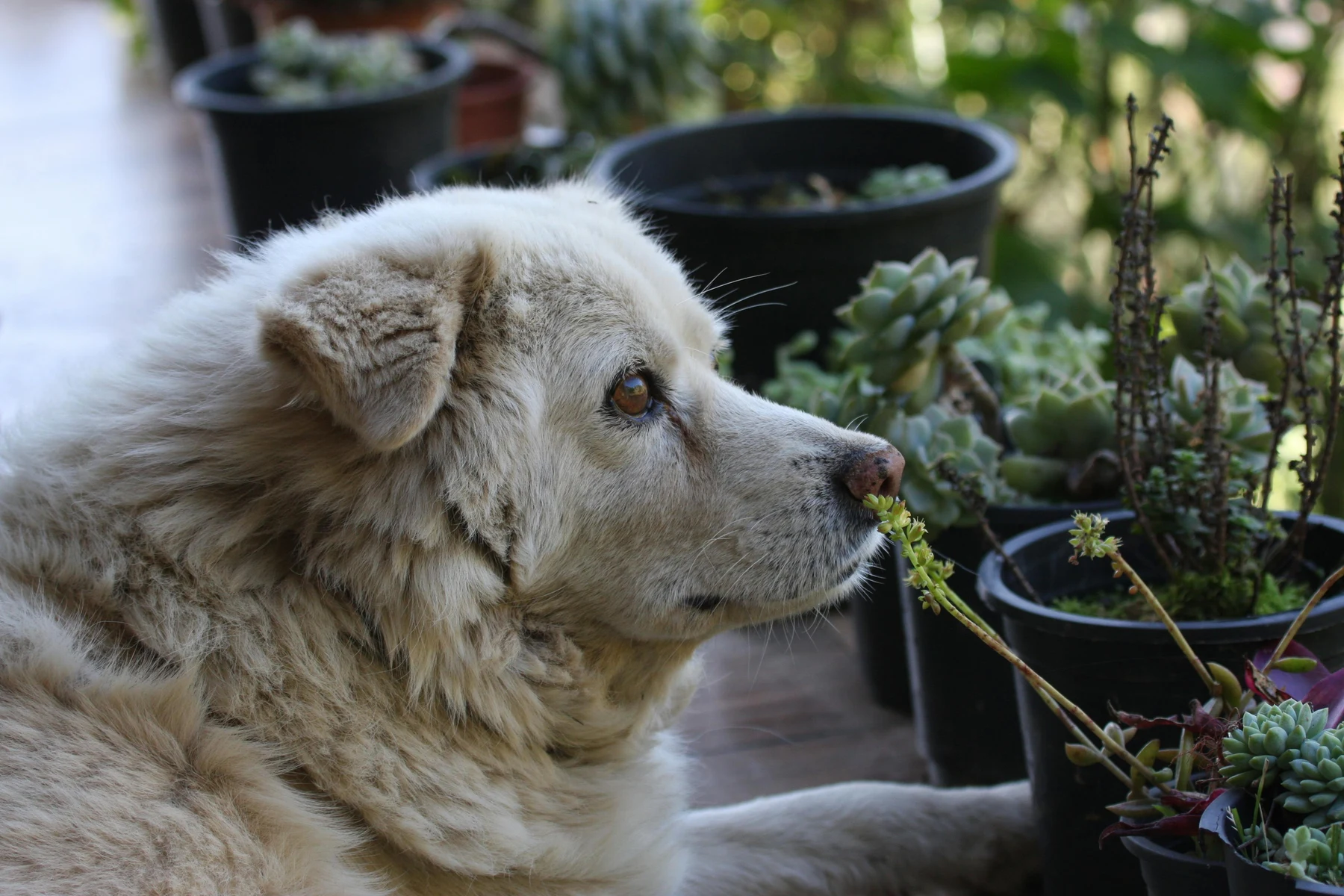
12 Plants That Are Toxic to Dogs
-
Sago Palm (Cycas revoluta); CRITICAL
Sago Palm is one of the most toxic plants for dogs. Every part of the plant is poisonous; seeds most of all. A single seed can kill a dog. Cycasin damages the liver severely, causing vomiting, diarrhea, lethargy, and seizures, progressing to liver failure. Mortality rate is 50–75% even with aggressive treatment.
How to fix it: EMERGENCY: Any Sago Palm ingestion by a dog is a veterinary emergency. Call ASPCA Poison Control (888-426-4435) and go to an emergency vet immediately. Do not wait for symptoms. Safe alternative: Areca Palm; completely non-toxic and similarly architectural.
-
Oleander (Nerium oleander)
All parts of Oleander contain cardiac glycosides (oleandrin and neriine) that disrupt heart function. Ingestion causes drooling, vomiting, diarrhea, irregular heartbeat, weakness, tremors, and can be fatal. Oleander is frequently used in landscaping in warm climates; keep dogs away from outdoor plantings.
How to fix it: Oleander should not be kept in any dog household. If you have Oleander in landscaping, restrict outdoor dog access to those areas. There is no safe alternative that looks the same; it's better to choose a different landscape plant entirely.
-
Azalea and Rhododendron (Rhododendron spp.)
Azaleas and rhododendrons contain grayanotoxins that interfere with sodium channels in cells. Even a few leaves can cause drooling, vomiting, diarrhea, muscle weakness, abnormal heart rate, and coma in dogs. Both wild and ornamental varieties are toxic.
How to fix it: Keep dogs away from Azalea and Rhododendron plantings; both indoors and outdoors. Miniature Azaleas sold as houseplants are equally toxic. Safe flowering alternative: African Violet or Bromeliad.
-
Pothos (Epipremnum aureum)
Pothos contains insoluble calcium oxalate crystals that cause immediate oral burning, drooling, vomiting, and difficulty swallowing in dogs. It's one of the most common houseplants and one of the most common causes of plant toxicity calls for dogs.
How to fix it: Remove from the home or hang completely out of reach of dogs. Safe trailing alternatives: Spider Plant or Swedish Ivy. Dogs who chew furniture or plants will find hanging Pothos within reach eventually.
-
Aloe Vera (Aloe barbadensis)
Aloe Vera is toxic to dogs. The saponins and anthraquinones it contains cause vomiting, diarrhea, lethargy, and changes in urine color. The outer latex (the yellow sap under the skin) is especially harmful. The processed gel sold for human burn treatment has these compounds removed.
How to fix it: Replace with Haworthia; similar rosette shape and almost identical appearance, completely non-toxic. Haworthia stays small, needs minimal water, and is one of the easiest succulents to grow.
-
Peace Lily (Spathiphyllum spp.)
Peace Lilies are toxic to dogs, containing calcium oxalate crystals that cause oral burning, drooling, vomiting, and difficulty swallowing. While not as acutely dangerous as Sago Palm or Oleander, Peace Lily is a very common houseplant and a frequent source of dog toxicity incidents.
How to fix it: Replace with Calathea; similar bold tropical foliage, comparable size and care requirements, completely non-toxic. If keeping Peace Lily, ensure it's genuinely inaccessible.
-
Philodendron (Philodendron spp.)
All Philodendron species contain calcium oxalate crystals. Heart-leaf Philodendron (the common trailing variety), Split-leaf Philodendron, and Monstera are all in this group. Symptoms: oral burning, drooling, excessive salivation, vomiting, and swollen mouth.
How to fix it: Safe alternatives: Peperomia (similar leaf variety, much safer), Calathea (bold tropical foliage). Note Monstera is also in the Araceae family and toxic to dogs.
-
Dieffenbachia / Dumb Cane (Dieffenbachia spp.)
Dieffenbachia contains calcium oxalate crystals that cause intense, immediate oral pain and swelling; severe enough to temporarily impair swallowing. Large dogs are less at risk from a single bite, but small dogs can suffer significant injury. All parts are toxic.
How to fix it: Remove from dog households or place completely out of reach. Safe large-leaf alternative: Calathea orbifolia or Boston Fern for comparable tropical fullness.
-
Dracaena (Dracaena spp.)
All Dracaena species are toxic to dogs, containing saponins that cause vomiting (sometimes with blood), excessive drooling, anorexia, weakness, and dilated pupils. Dragon Tree, Corn Plant, and Lucky Bamboo (which is a Dracaena, not bamboo) are all toxic.
How to fix it: Safe alternative: Areca Palm for similar tropical vertical structure, completely non-toxic. Boston Fern for a different texture. Both are much safer choices for dog households.
-
Autumn Crocus (Colchicum autumnale)
Autumn Crocus is severely toxic to dogs. It contains colchicine and alkaloids that cause multi-organ toxicity; vomiting, bloody diarrhea, bone marrow suppression, liver and kidney failure. Can be fatal. Not to be confused with spring Crocus (Crocus vernus), which is less toxic.
How to fix it: Do not keep Autumn Crocus in dog households. Symptoms may be delayed 2–5 days after ingestion, which can lead owners to underestimate the severity. Call poison control if you suspect any exposure.
-
Tulip and Daffodil Bulbs (Tulipa, Narcissus)
The bulbs of tulips and daffodils are significantly more toxic than the above-ground parts. Tulip bulbs contain allergenic lactones; daffodil bulbs contain lycorine. Dogs who dig in gardens and consume bulbs can develop severe vomiting, diarrhea, drooling, tremors, and cardiac abnormalities.
How to fix it: Protect bulb plantings in the garden with chicken wire or cover the soil. Store bulbs in dog-inaccessible locations. If a dog digs up and eats bulbs, call poison control immediately.
-
Yew (Taxus spp.)
Yew is one of the most toxic plants for dogs. Taxines (A and B) disrupt heart function rapidly; a dog can collapse and die within hours of significant ingestion. Yew is commonly used in landscaping hedges and decorative plantings. All parts are toxic except the fleshy red berry around the seed.
How to fix it: Keep dogs away from all Yew plantings. If you have Yew in your landscape and a dog that digs or chews vegetation, consider removing the plants entirely. This is a genuine life-threatening risk.
Toxic Plants for Dogs: Severity and Safe Alternatives
Ranked by severity of toxic effect:
| Plant | Toxin | Severity for Dogs | Safe Alternative |
|---|---|---|---|
| Sago Palm | Cycasin | CRITICAL; liver failure, ~50–75% fatal | Areca Palm |
| Oleander | Cardiac glycosides | Severe; heart failure | African Violet |
| Yew | Taxines | Severe; rapid cardiac arrest | Areca Palm |
| Autumn Crocus | Colchicine | Severe; multi-organ failure | African Violet |
| Azalea/Rhododendron | Grayanotoxins | Moderate–severe; cardiac | Spider Plant |
| Daffodil bulbs | Lycorine | Moderate–severe; vomiting, cardiac | Calathea |
| Dieffenbachia | Calcium oxalate | Moderate; severe oral injury | Calathea |
| Peace Lily | Calcium oxalate | Moderate; oral irritation | Calathea |
| Pothos | Calcium oxalate | Moderate; oral burning, vomiting | Swedish Ivy |
| Aloe Vera | Saponins | Moderate; vomiting, diarrhea | Haworthia |
| Dracaena | Saponins | Moderate; vomiting, weakness | Areca Palm |
| Philodendron | Calcium oxalate | Moderate; oral burning | Peperomia |
Frequently Asked Questions
- What are signs of plant poisoning in dogs?
- Common signs: drooling, pawing at the mouth (calcium oxalate plants), vomiting, diarrhea, lethargy, weakness, loss of appetite, tremors, irregular heartbeat, and seizures. With slow-acting toxins like Sago Palm cycasin, apparent 'recovery' after initial vomiting is a dangerous false reassurance; liver failure can develop 2–3 days later. Always call a vet if plant ingestion is suspected.
- Is Monstera toxic to dogs?
- Yes. Monstera deliciosa contains calcium oxalate crystals; the same toxin as Pothos and Philodendron. It causes oral burning, drooling, and vomiting. Not typically fatal but painful and potentially serious. Keep out of reach or replace with a dog-safe plant.
- Are succulents safe for dogs?
- Some are, some aren't. Haworthia and Echeveria are non-toxic to dogs. Aloe Vera, Euphorbia (Pencil Cactus), and Kalanchoe are toxic. Always verify by specific genus and species before bringing any succulent into a dog household.
- Who should I call if my dog eats a toxic plant?
- ASPCA Animal Poison Control Center: 888-426-4435 (24/7, consultation fee may apply). Pet Poison Helpline: 855-764-7661 (24/7). Your regular vet or nearest emergency clinic. If possible, identify the plant species and bring a sample or photo to the vet; treatment varies significantly based on the toxin involved.
- Is Lucky Bamboo toxic to dogs?
- Yes. Despite the name, Lucky Bamboo is Dracaena sanderiana, not true bamboo, and is toxic to dogs. It causes vomiting, weakness, and incoordination. True bamboo (Bambusoideae) is non-toxic, but Lucky Bamboo is not bamboo. Always check the scientific name.
- How do I stop my dog from chewing houseplants?
- Practical options: place plants on high shelves or in rooms the dog doesn't access, use bitter apple spray on pot rims and lower leaves, provide the dog with dog-safe chews as an alternative, and train 'leave it.' The most reliable solution for persistent plant-chewers is choosing only non-toxic plants throughout the home; then chewing becomes an annoyance rather than a medical emergency.
What to Do If Your Dog Eats a Toxic Plant
The highest priority: never keep Sago Palm in or around your home if you have dogs. It is one of the most acutely lethal plants for dogs and is commonly sold as an ornamental. Yew in landscaping and Oleander in warm-climate gardens are equally dangerous. For common houseplants, Pothos, Peace Lily, Aloe Vera, and Dracaena are the most frequent causes of dog poisoning; all can be replaced with safe alternatives. If your dog eats any suspected toxic plant, call ASPCA Poison Control (888-426-4435) immediately without waiting for symptoms.
Get Personalized Plant Care Advice
PlantCareAI uses your location and local weather to give you advice tailored to your exact situation. No signup required to try.
Try the AI Plant Doctor